Chapter 3 – Electrochemistry
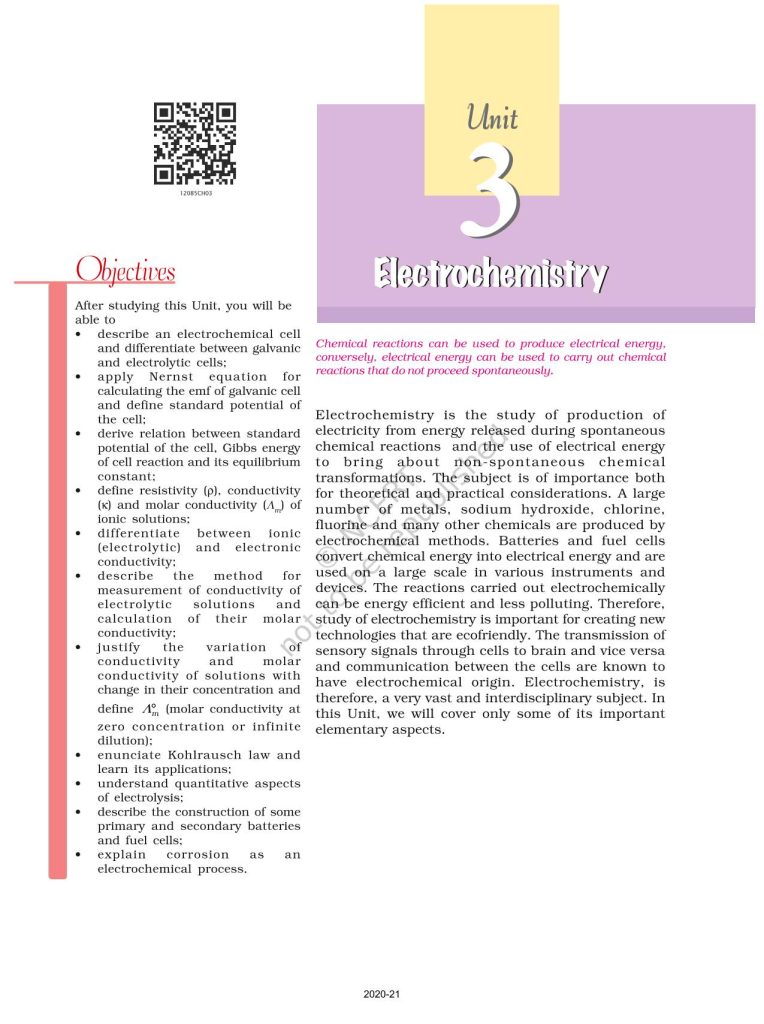
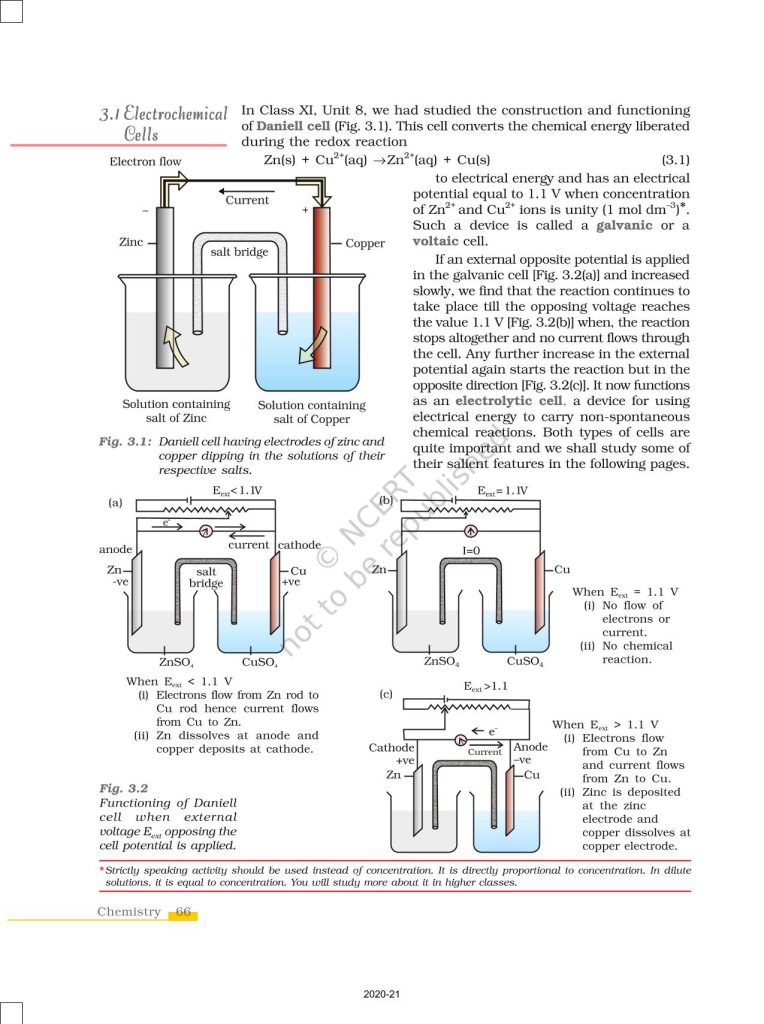
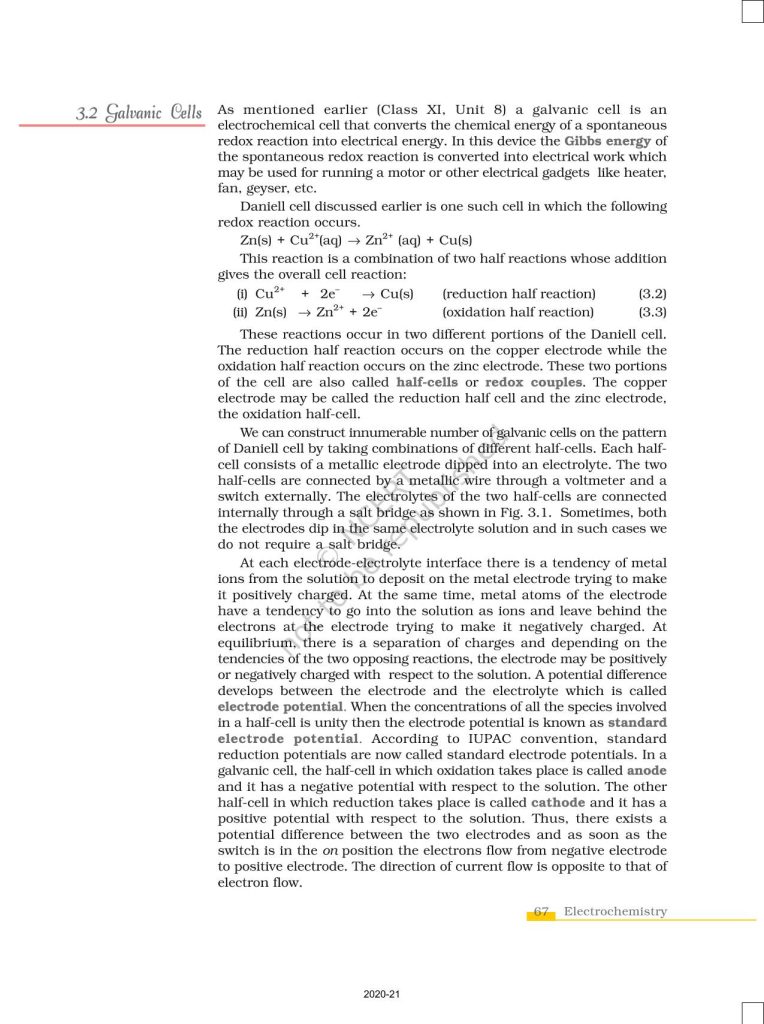
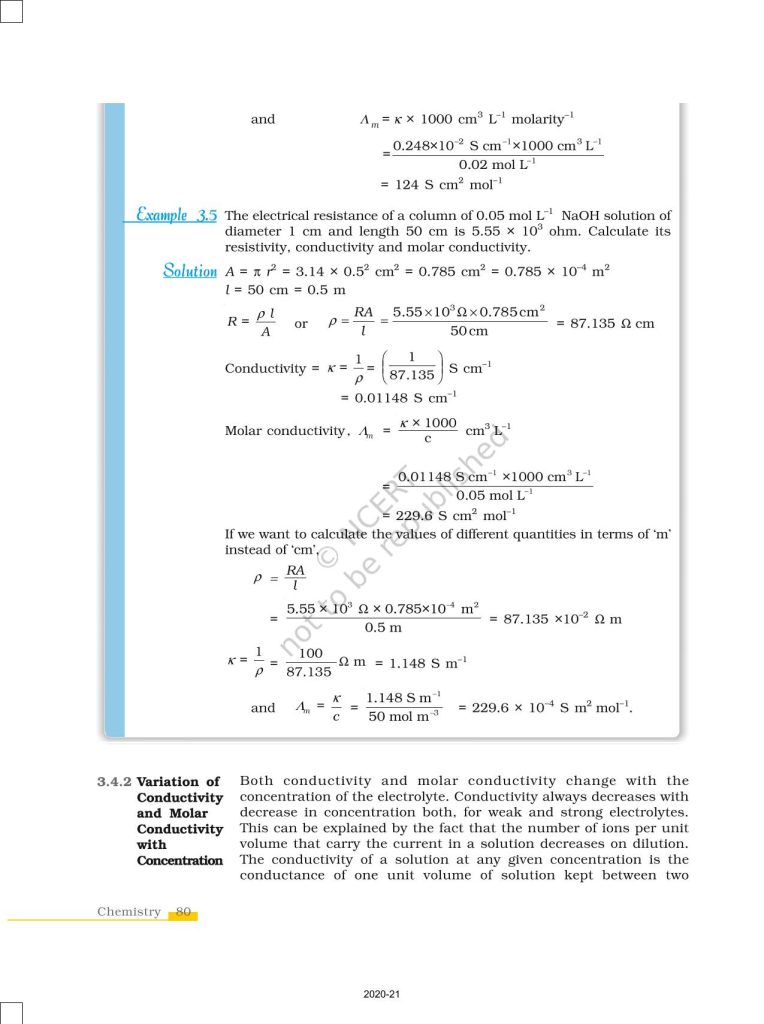
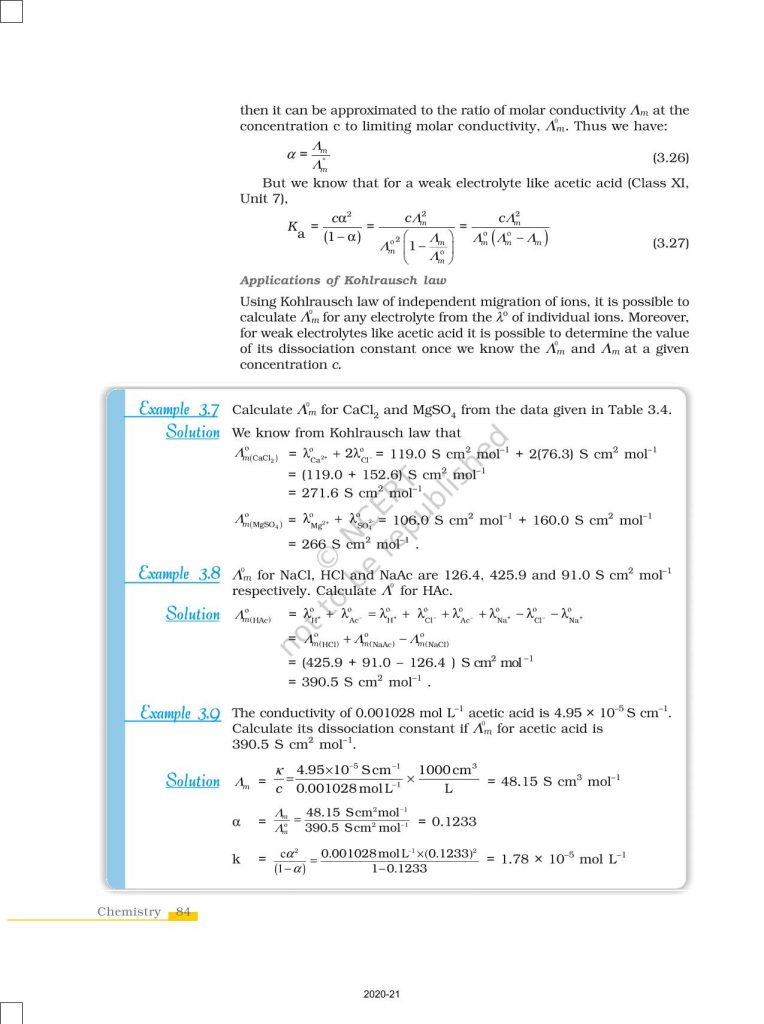
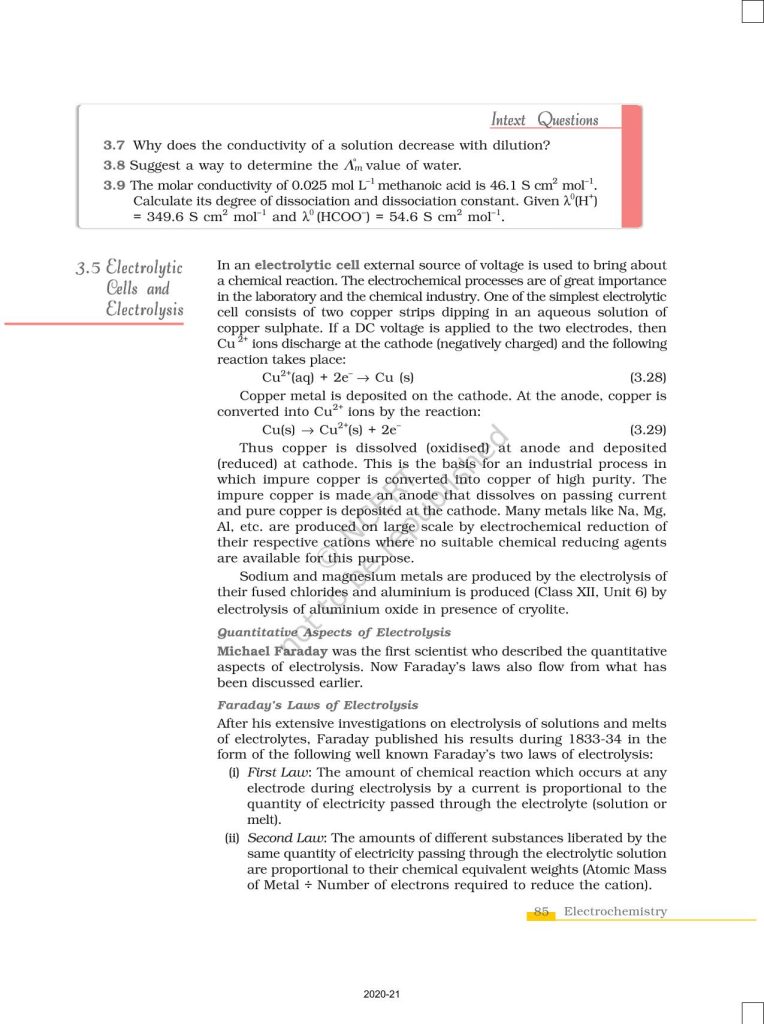
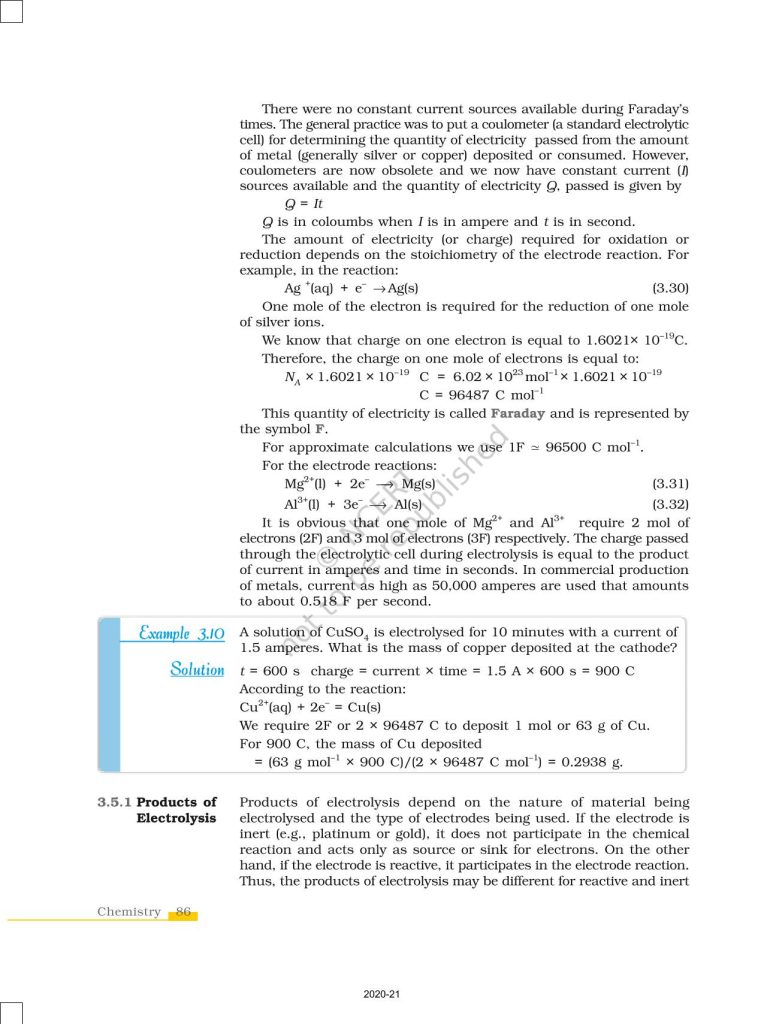
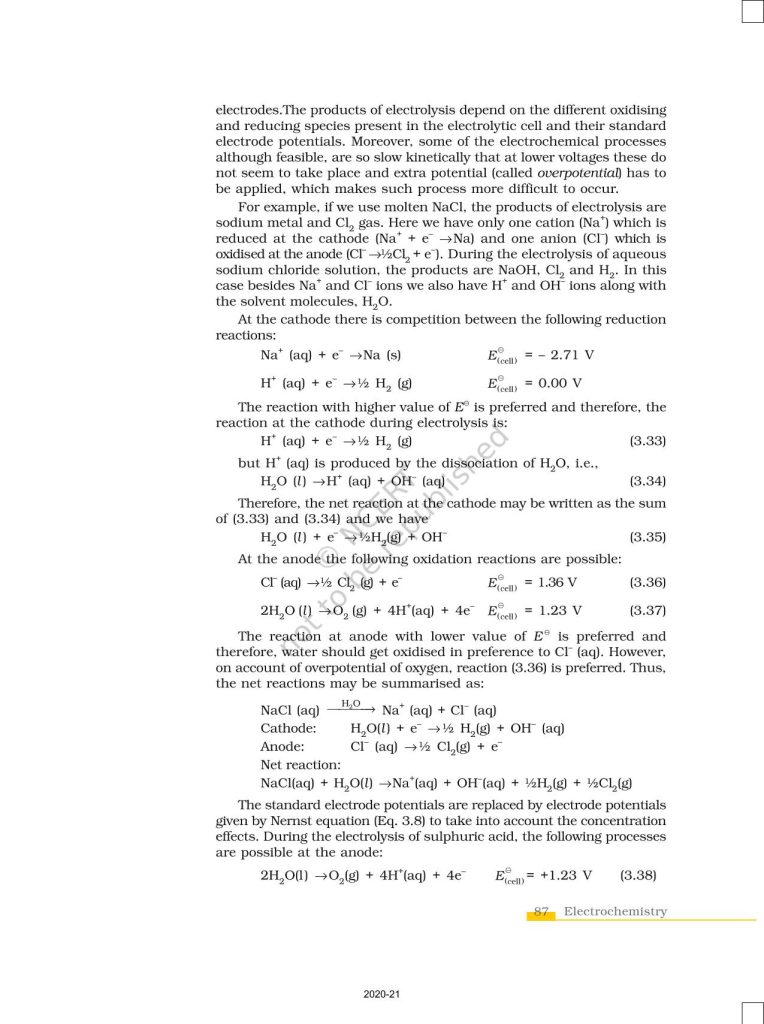
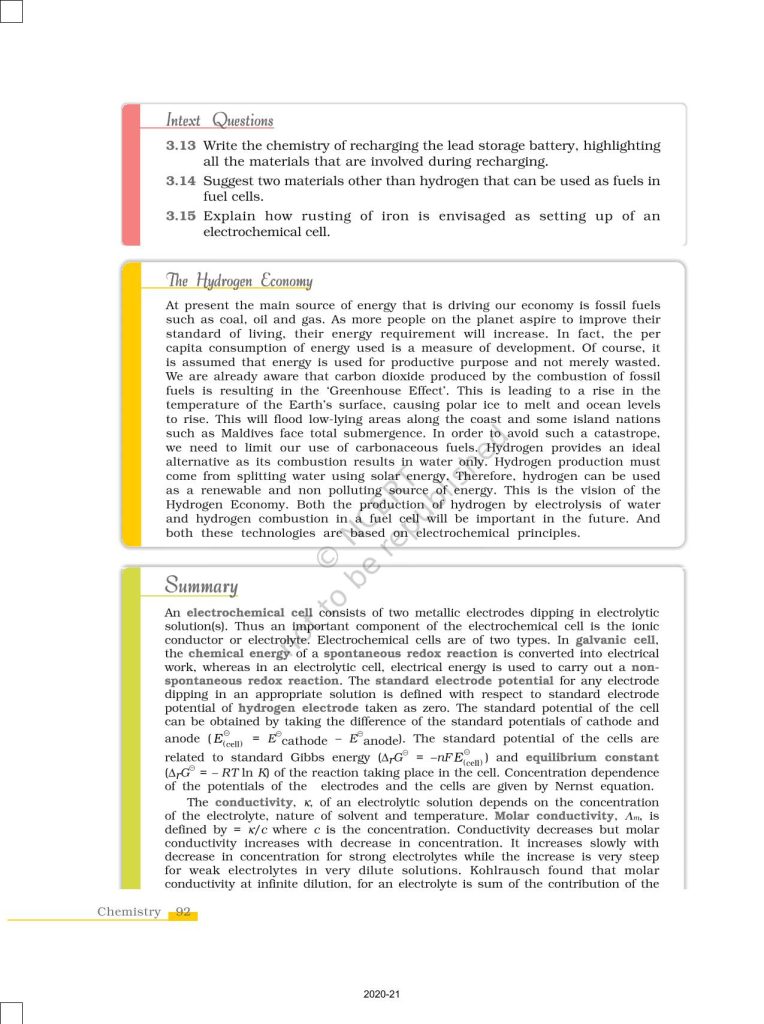
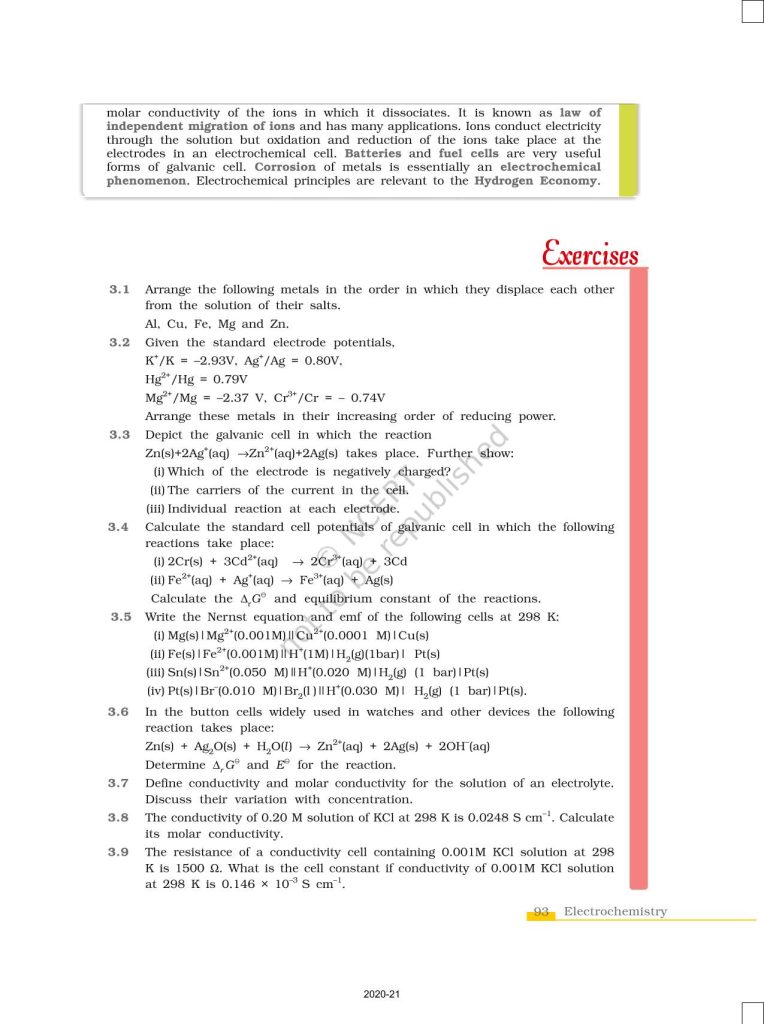
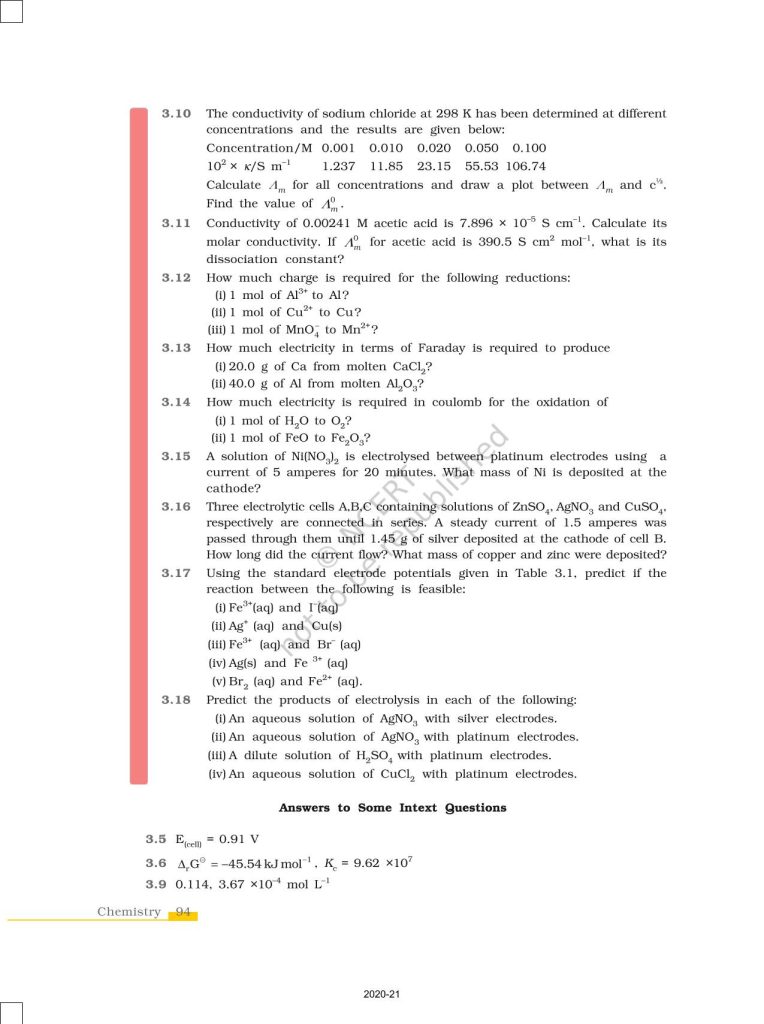
The chapter Electrochemistry explains the relationship between chemical reactions and electrical energy. It focuses on how chemical reactions can produce electricity and how electrical energy can drive chemical changes. The chapter introduces important concepts such as electrochemical cells, galvanic cells, and electrolytic cells, along with the flow of electrons in redox reactions.
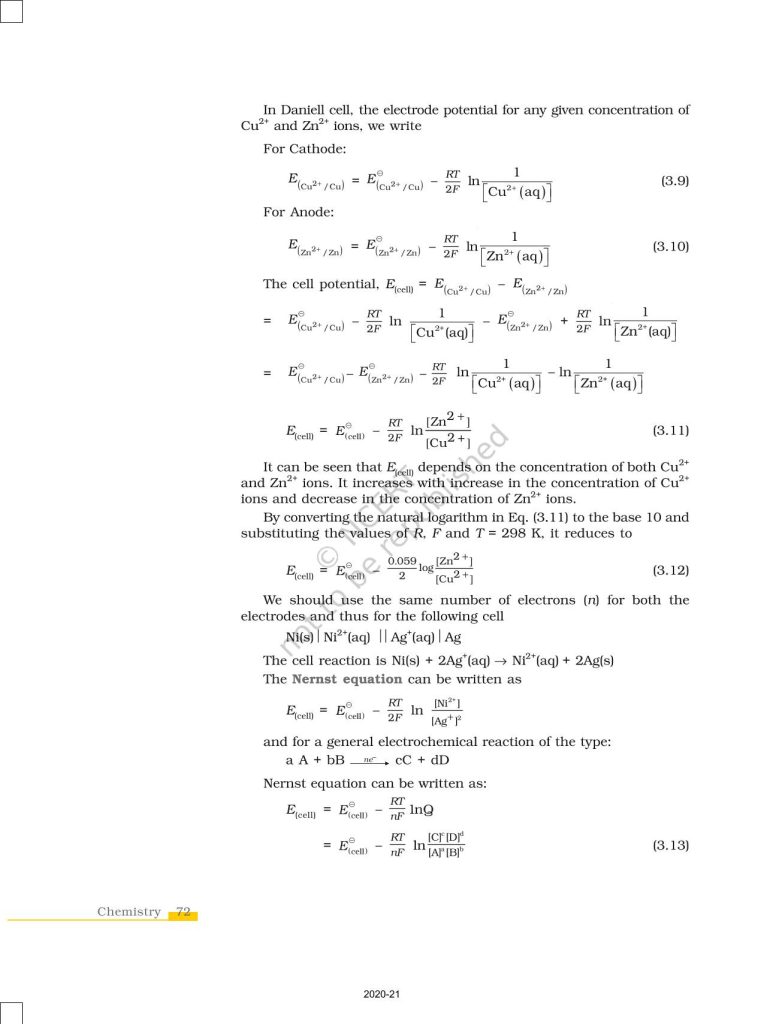
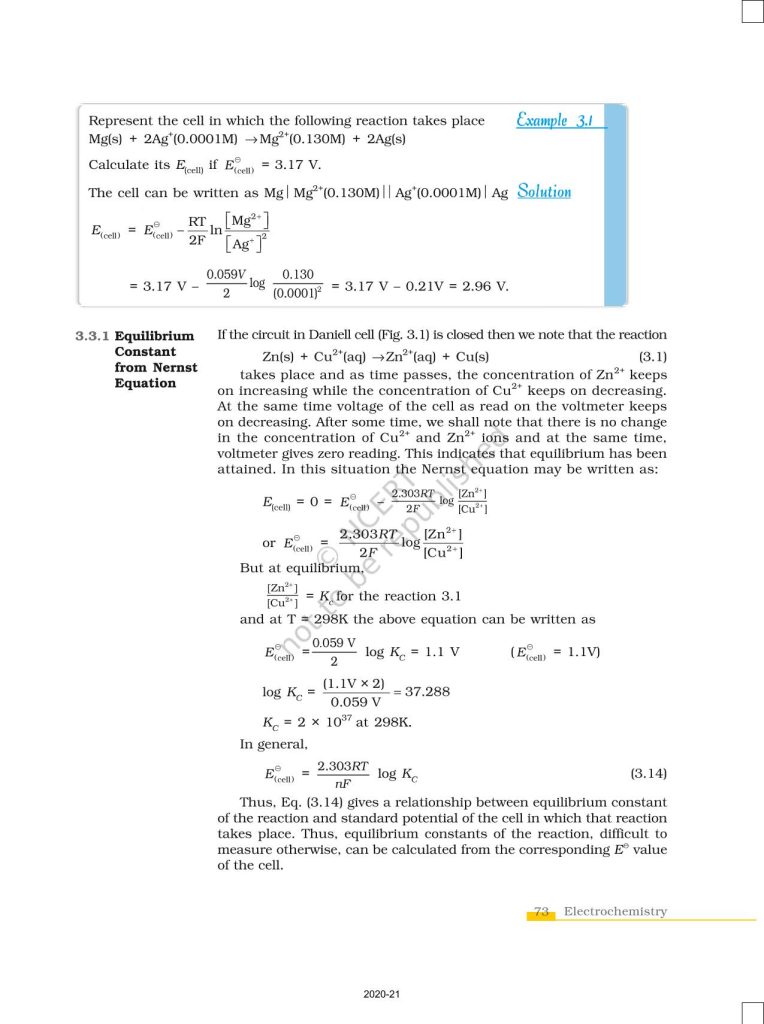
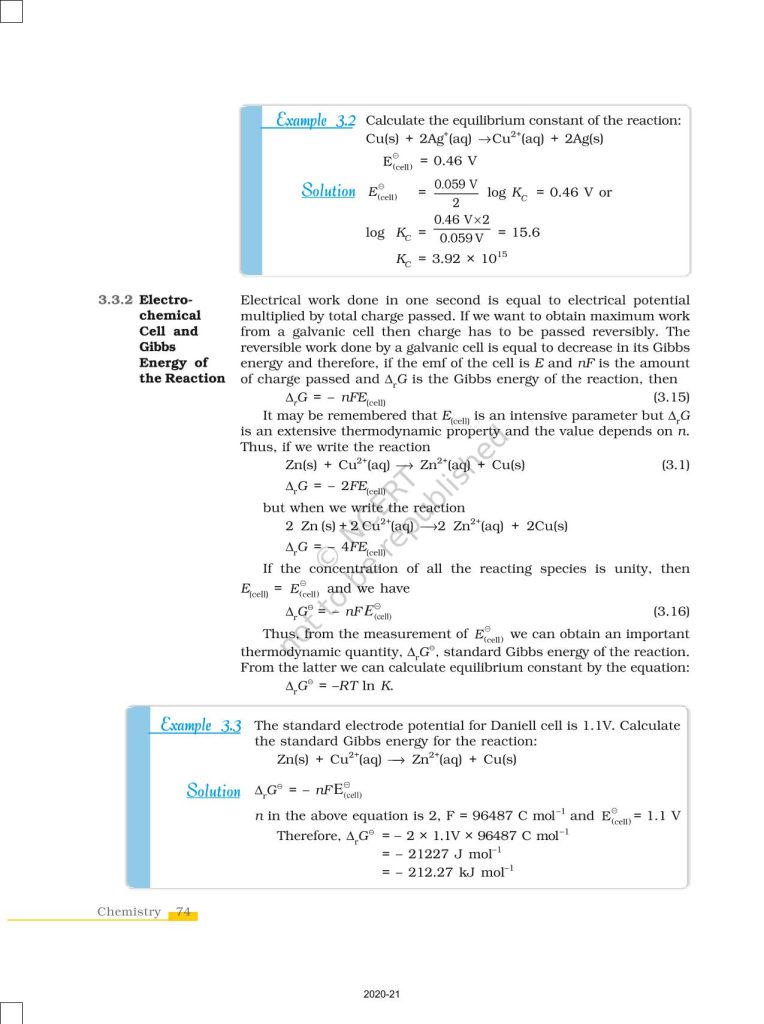
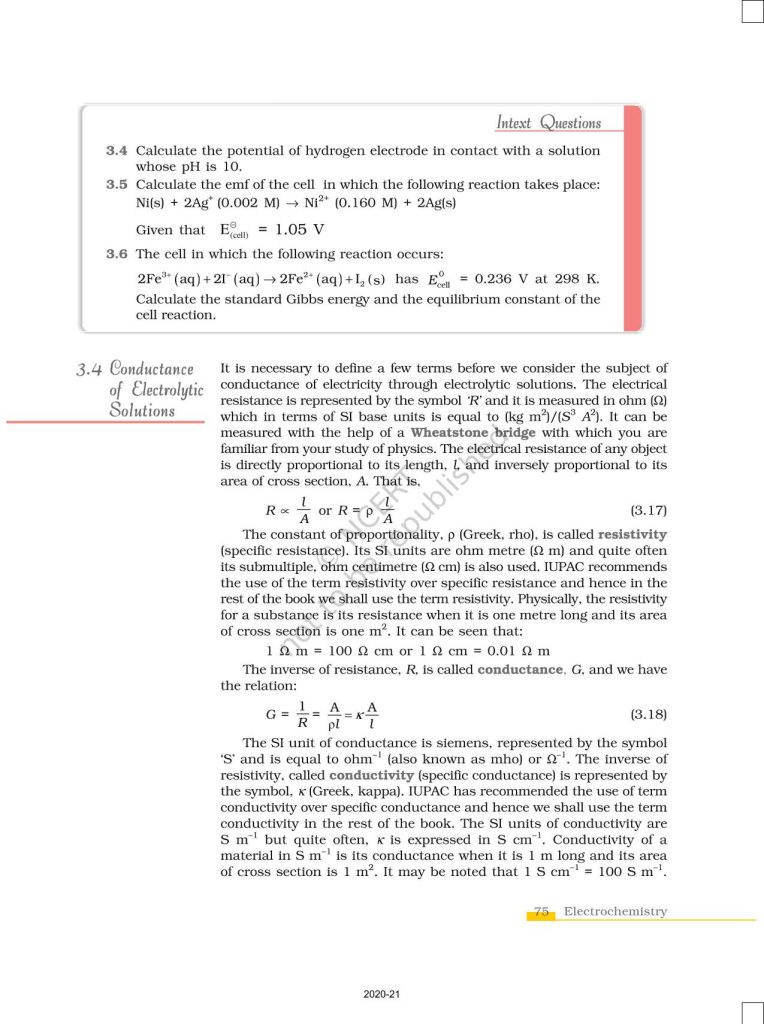
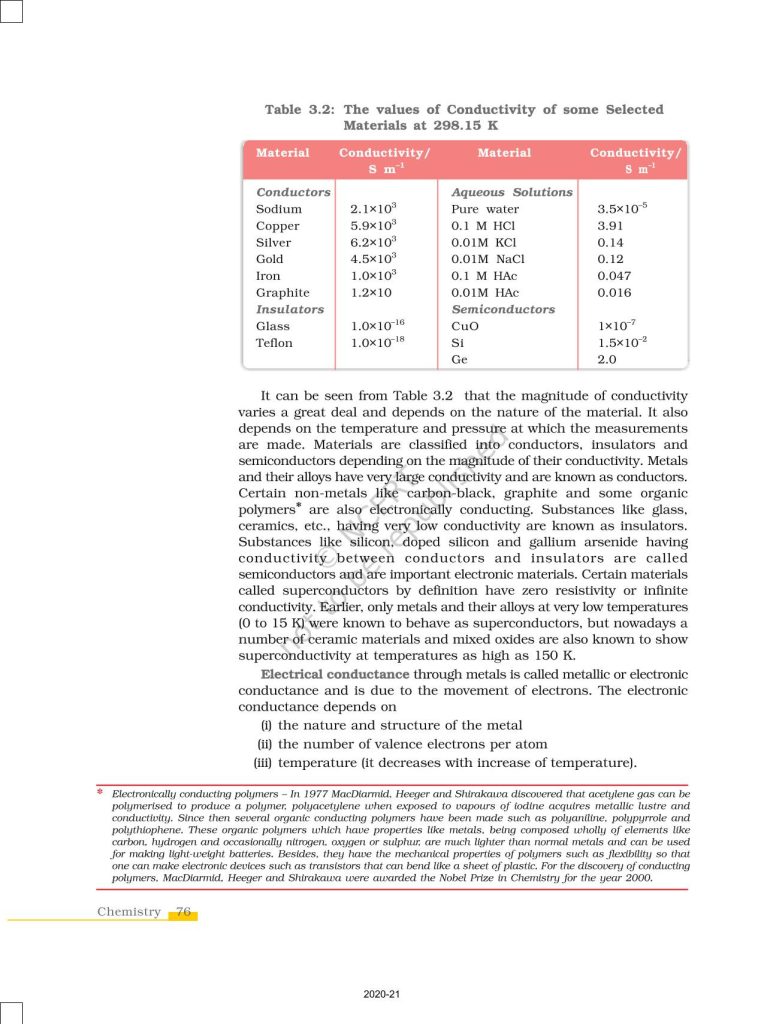
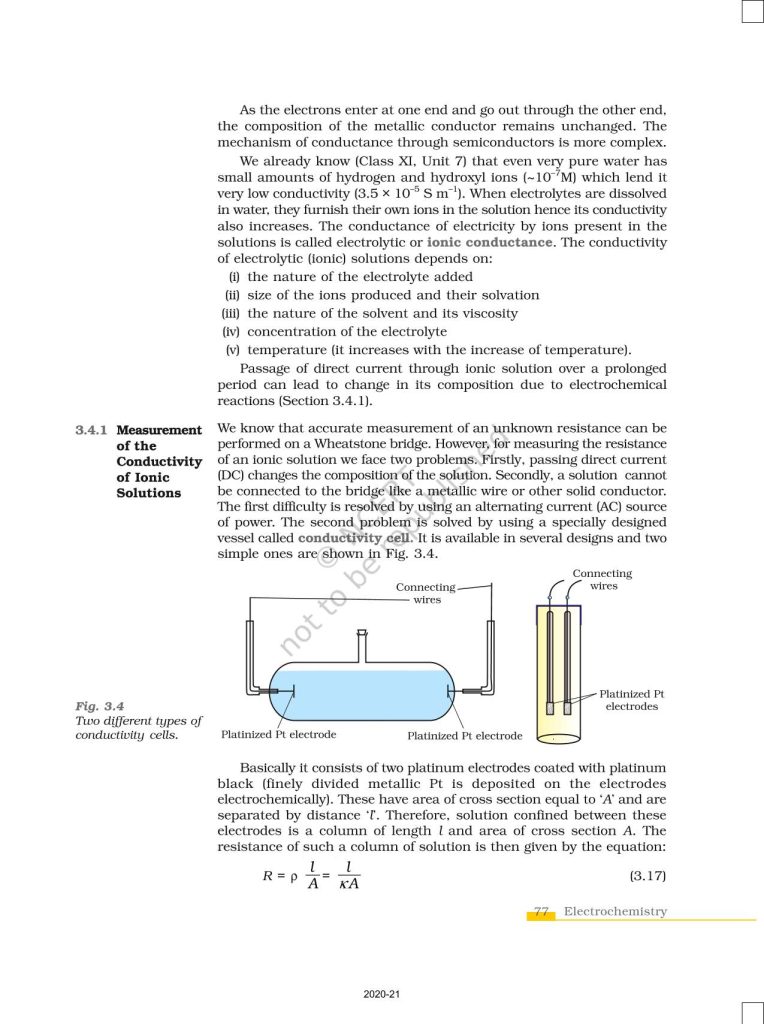
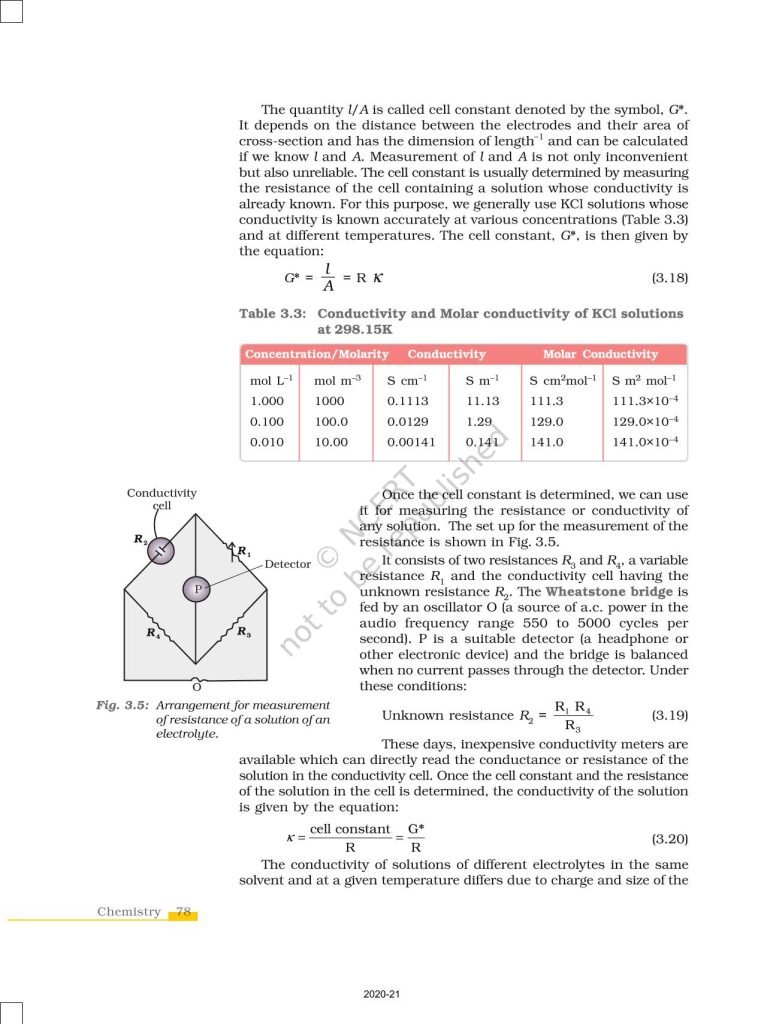
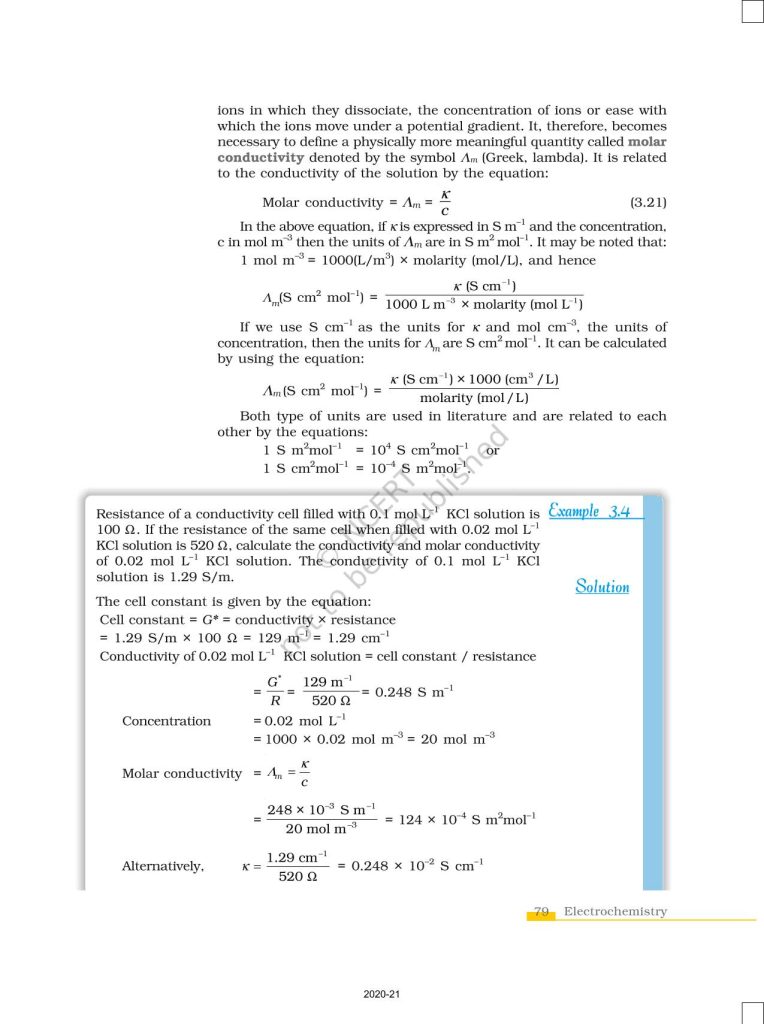
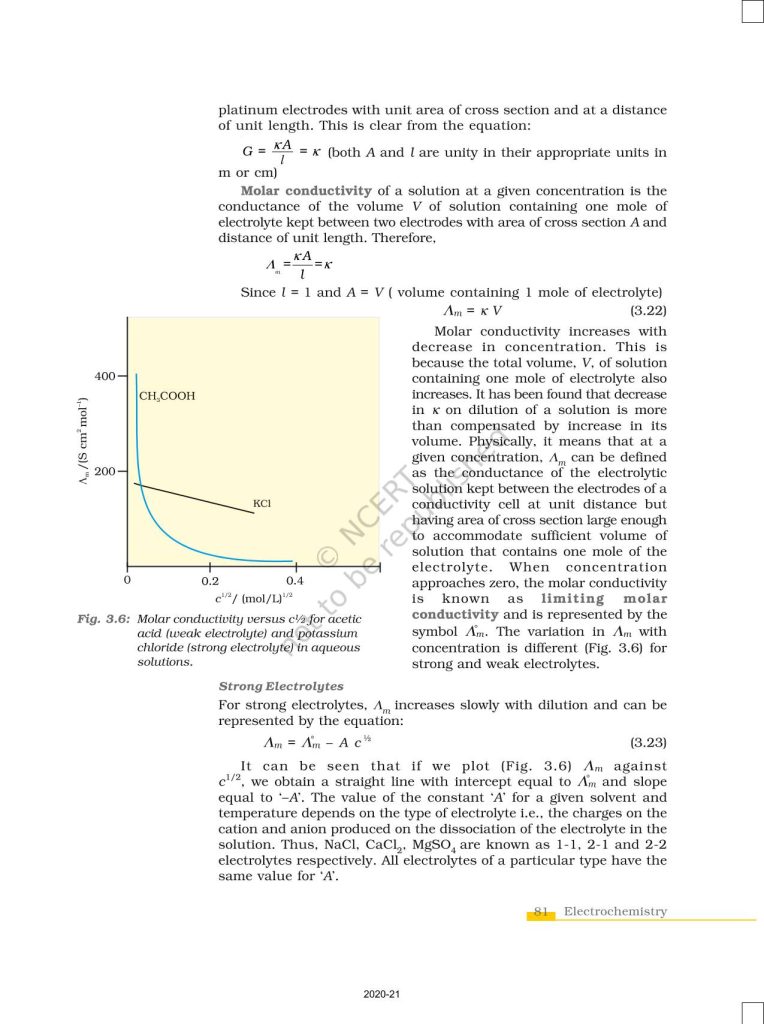
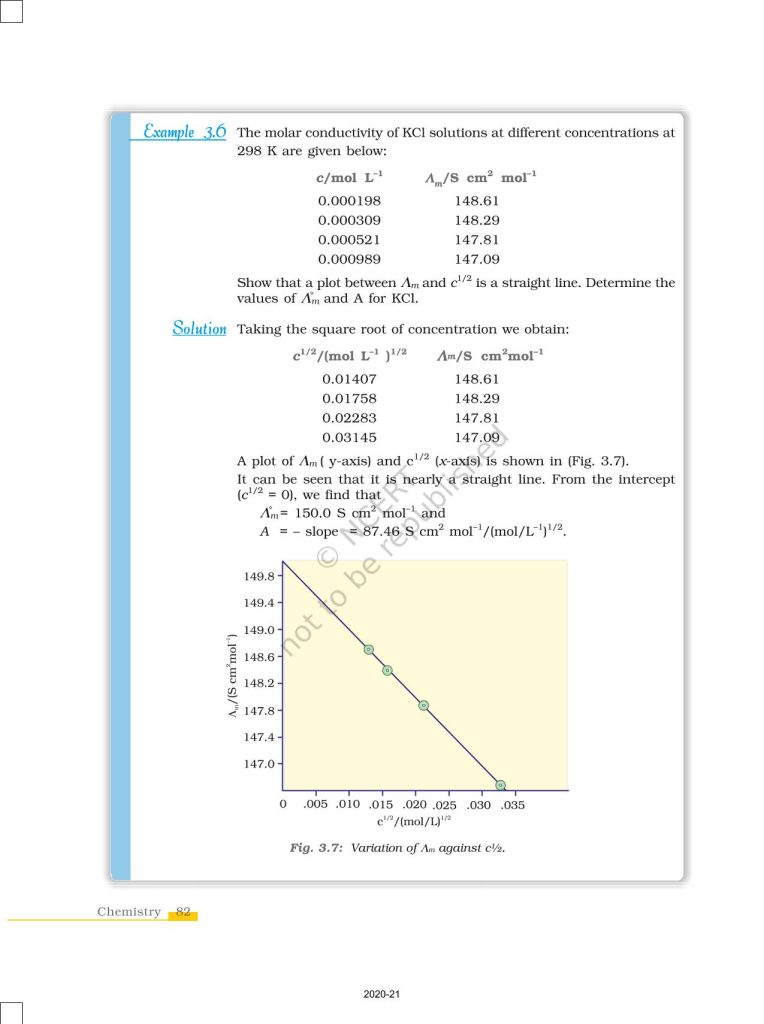
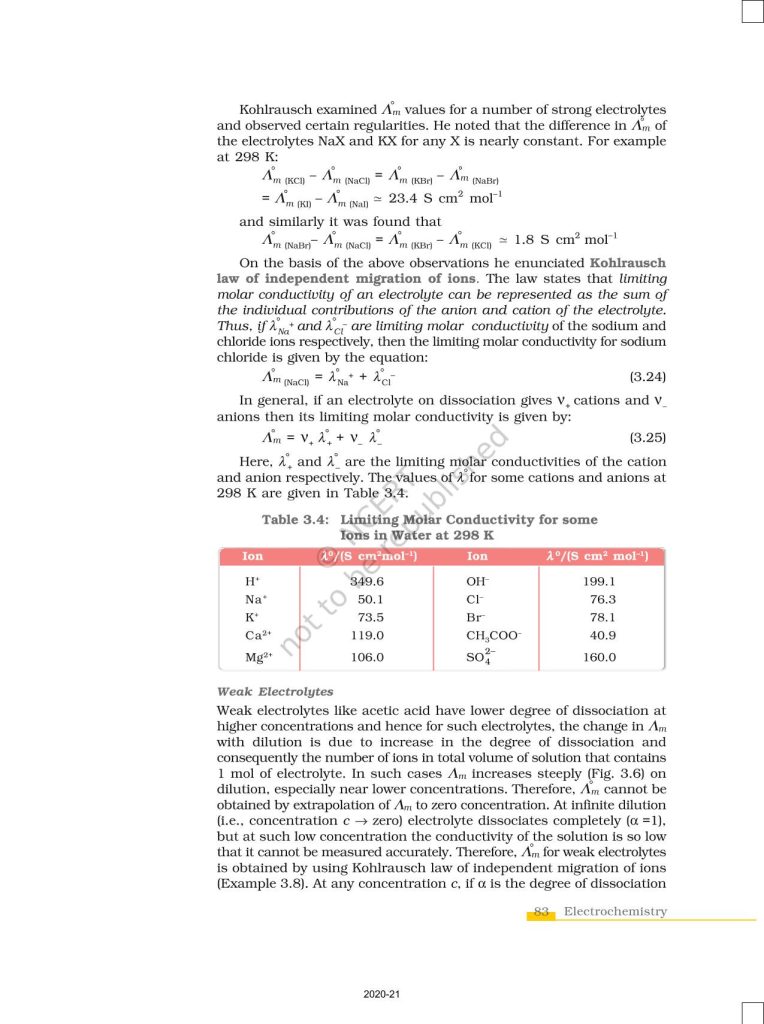
Students learn about the electrochemical series, electrode potential, Nernst equation, and factors affecting the conductivity of electrolytic solutions. The chapter also discusses practical applications like batteries, fuel cells, and corrosion prevention. These concepts are important for understanding energy conversion processes and are highly relevant for Class 12 board exams and competitive exams like NEET and JEE.
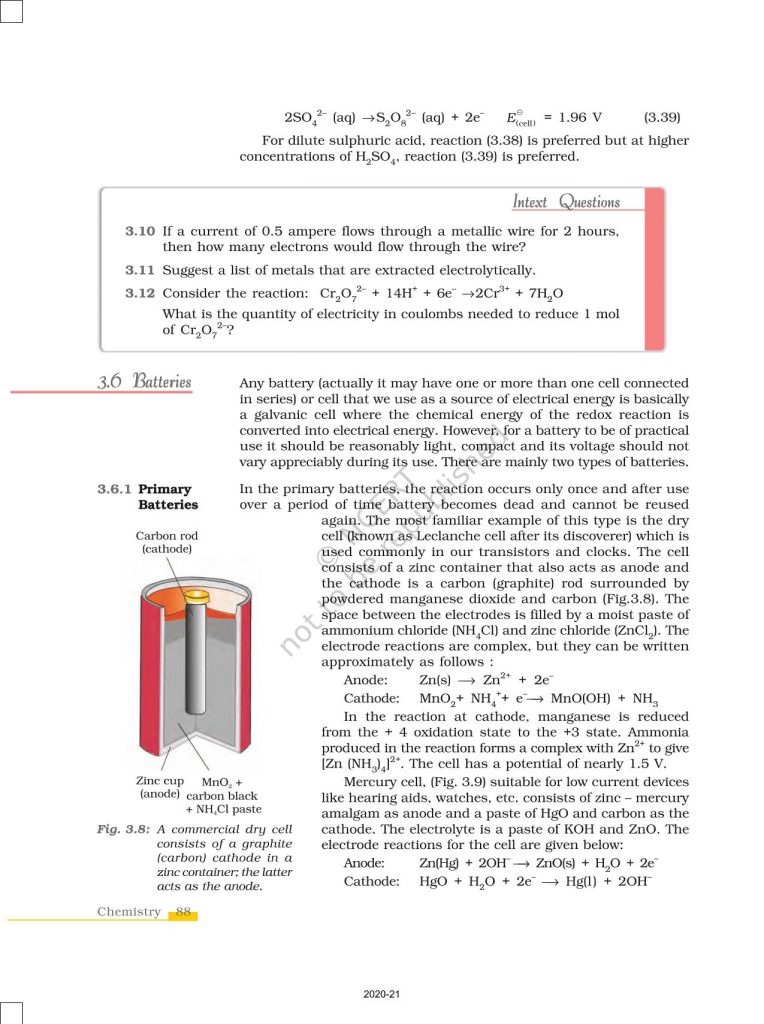
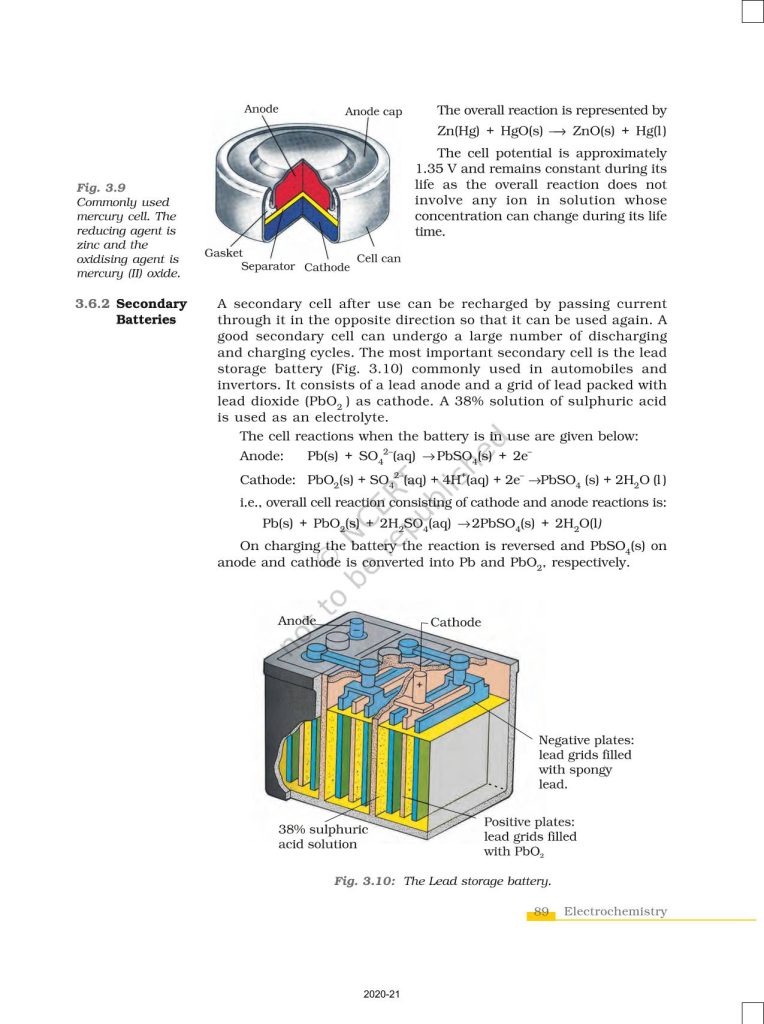
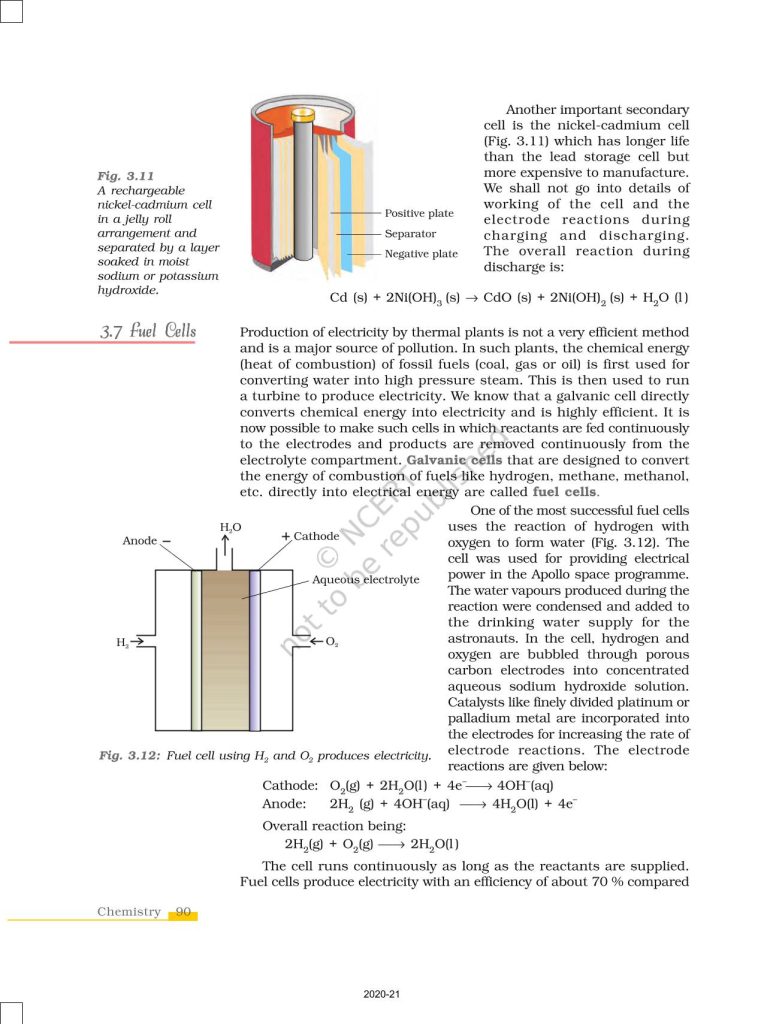
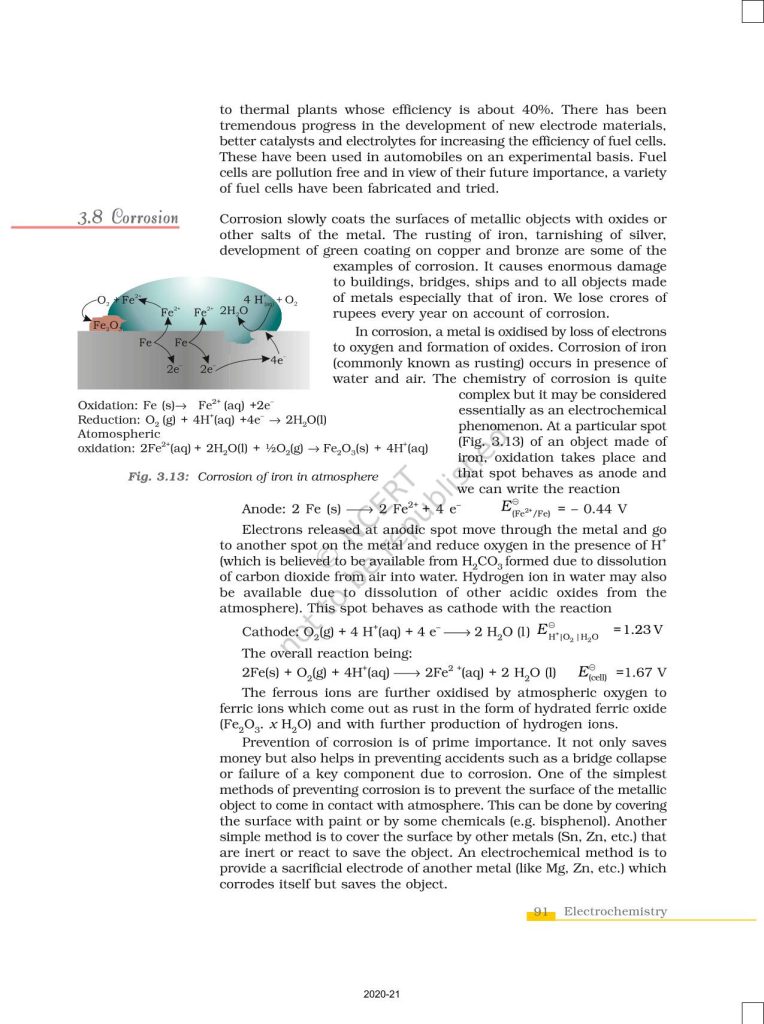
Class 12 Electrochemistry NCERT
Student Doubts & Questions
Have a question about this chapter? Ask below and get help from tutors & peers.