Chapter 9 – Biomolecules
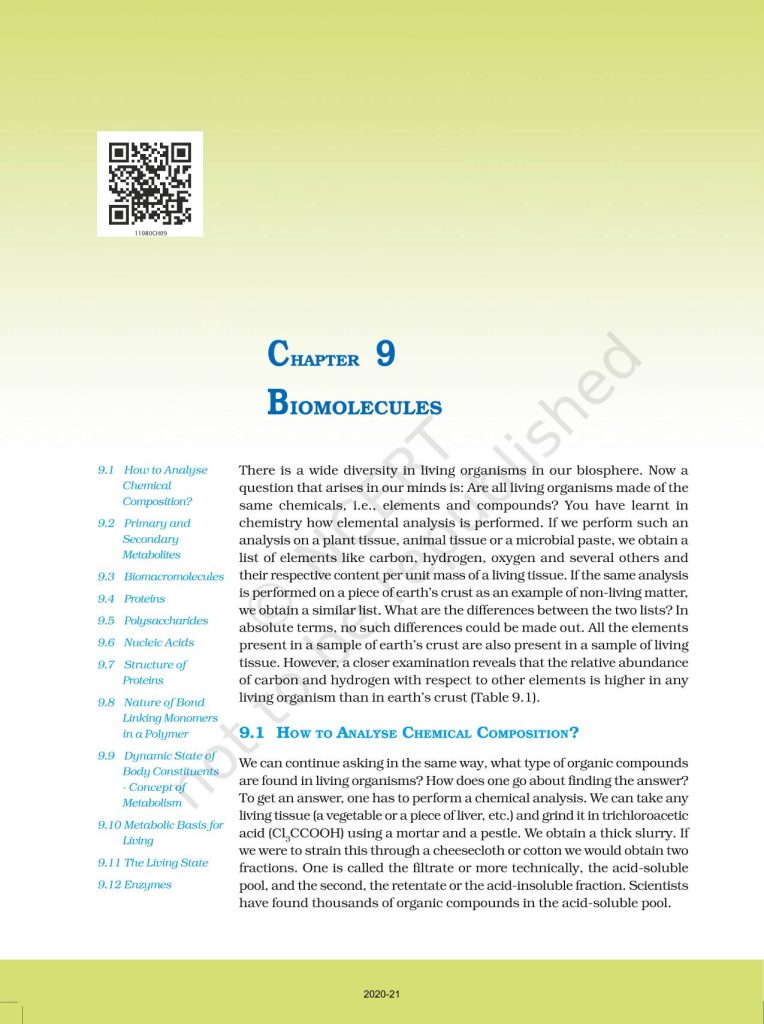
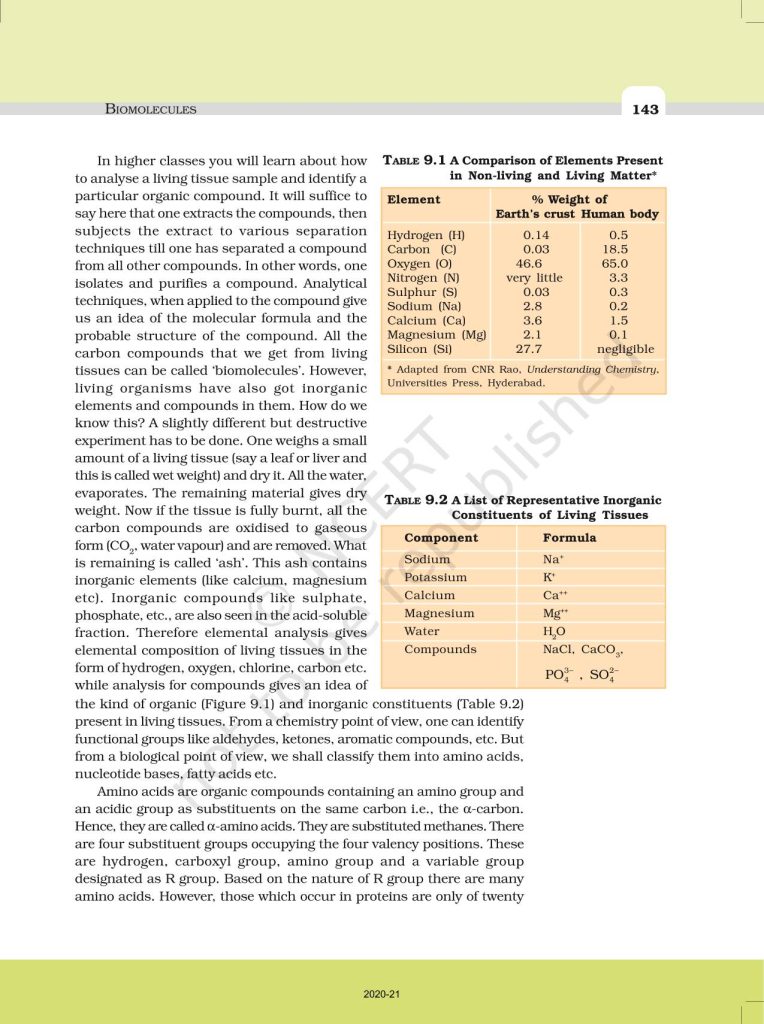
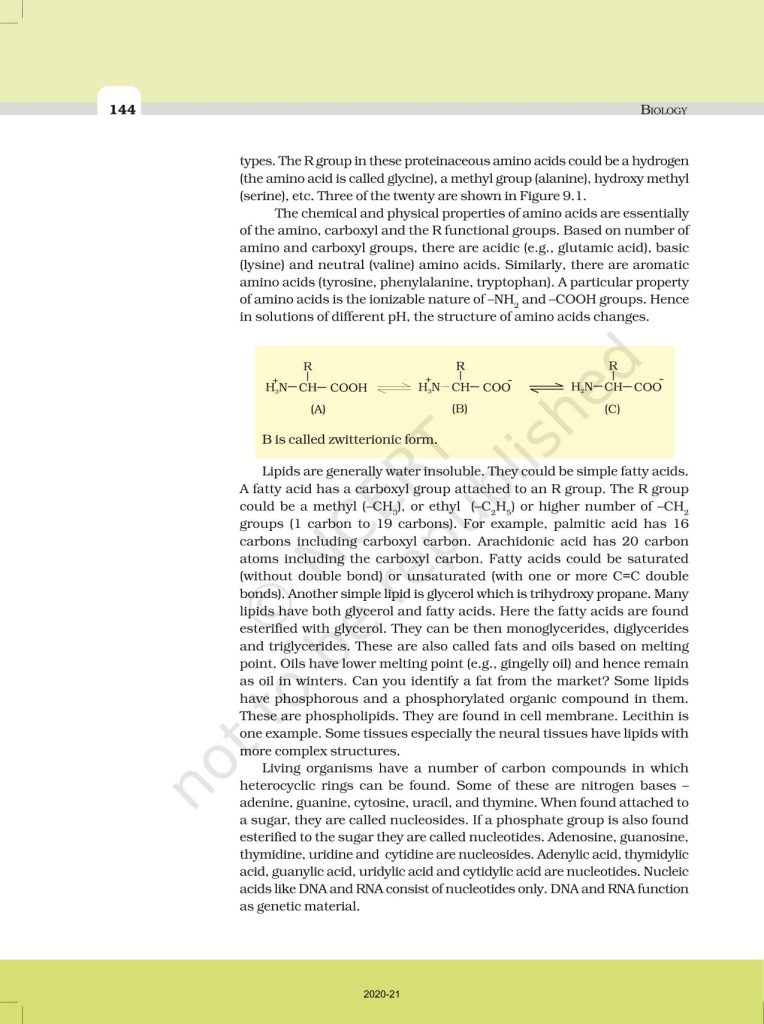
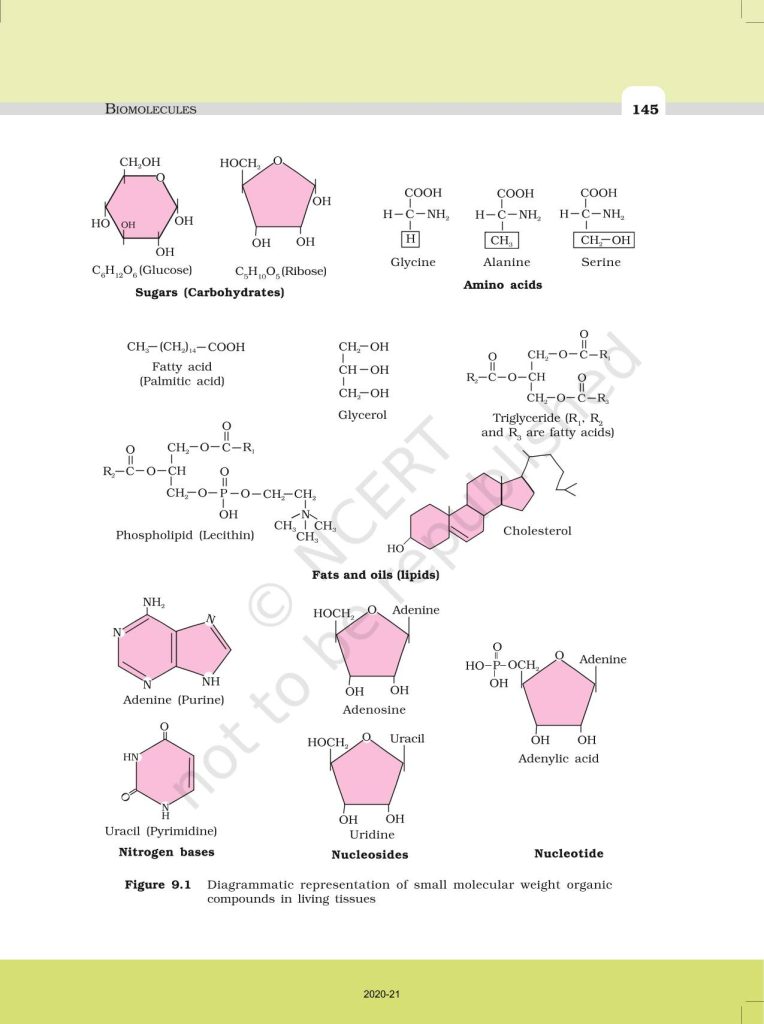
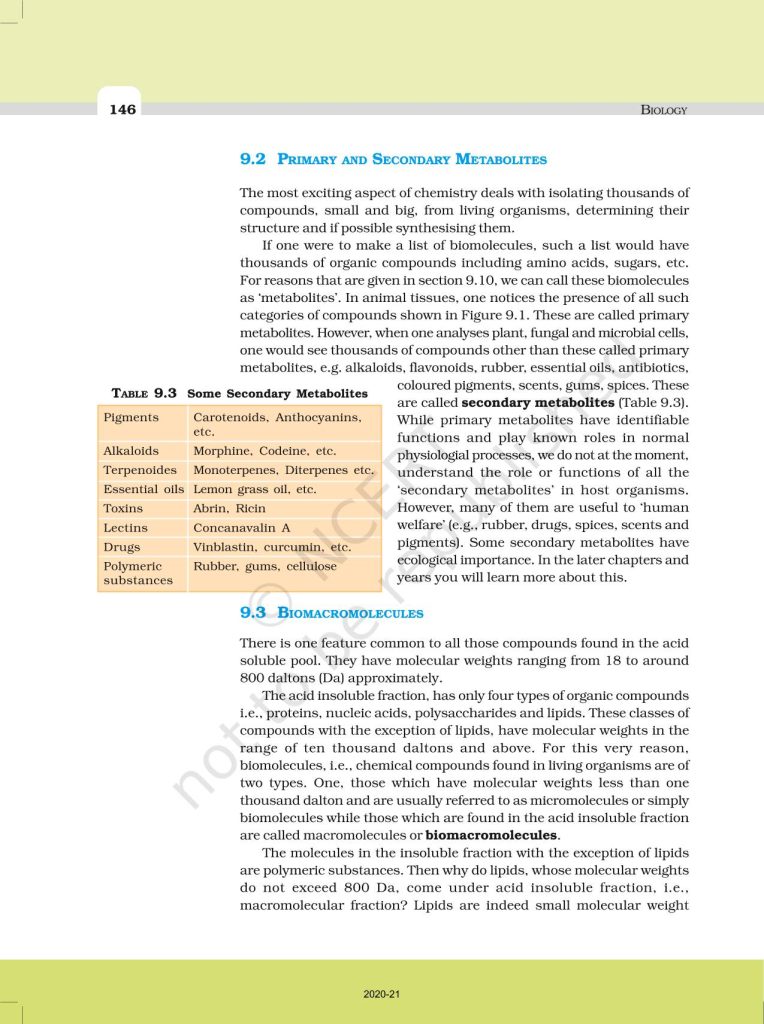
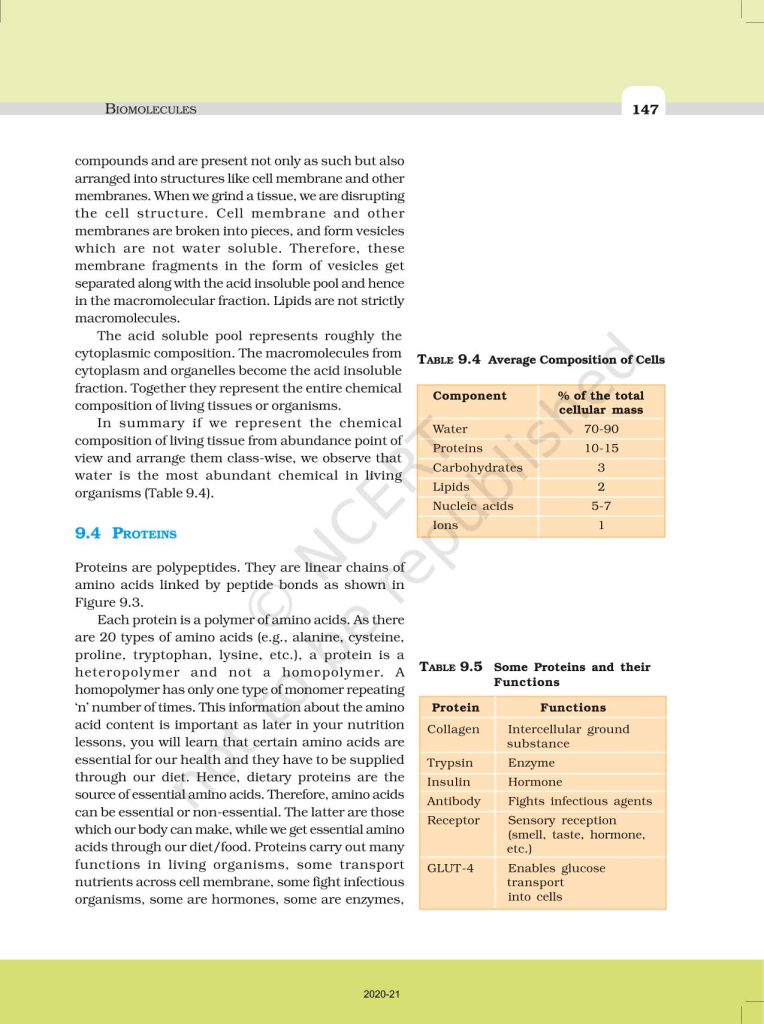
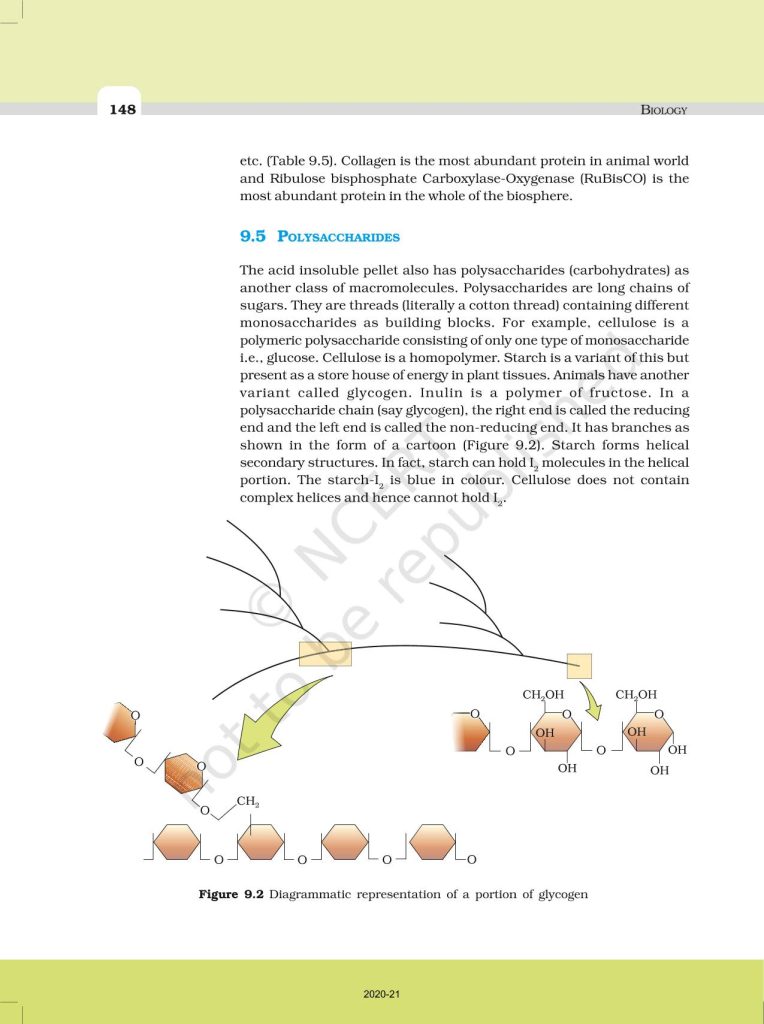
Biomolecules explains the chemical composition of living cells and the important organic compounds that form the basis of life. The chapter begins by describing the elemental composition of cells and the difference between inorganic and organic biomolecules. It focuses on major biomolecules such as carbohydrates, proteins, lipids, and nucleic acids, explaining their structure, classification, and biological functions. Students learn about monosaccharides, polysaccharides, amino acids, peptide bonds, enzyme action, fatty acids, and the structure of DNA and RNA. The chapter also highlights the role of enzymes as biological catalysts and explains concepts like metabolism, primary and secondary metabolites. Overall, this chapter helps in understanding how biomolecules interact and contribute to growth, development, and maintenance of living organisms, and also for the NEET Exam.
Biomolecules NCERT Biology
Student doubts & questions
Stuck on this chapter? Ask below and get help from tutors and fellow students.