Chapter 10 – Cell Cycle & Cell Division
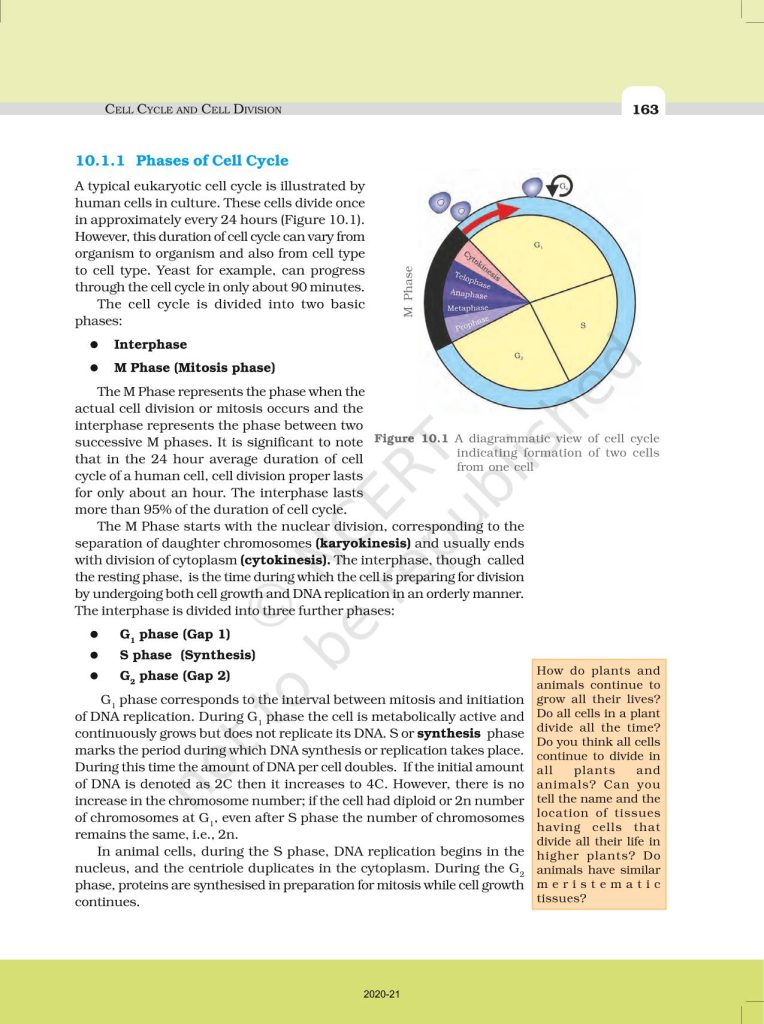
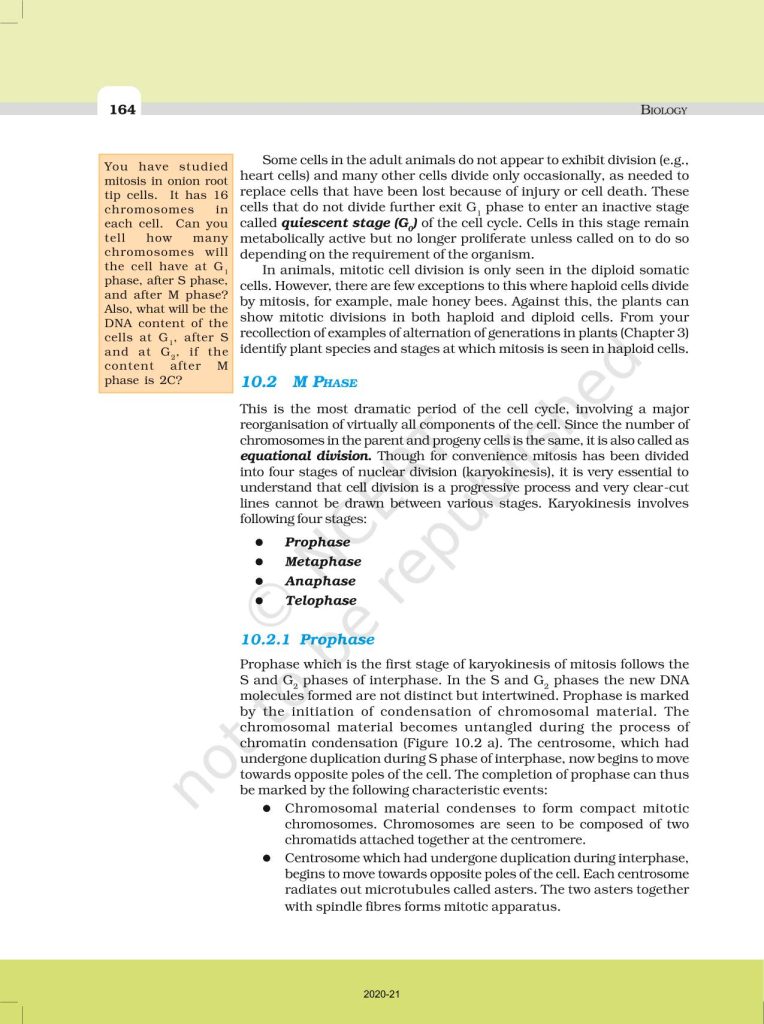
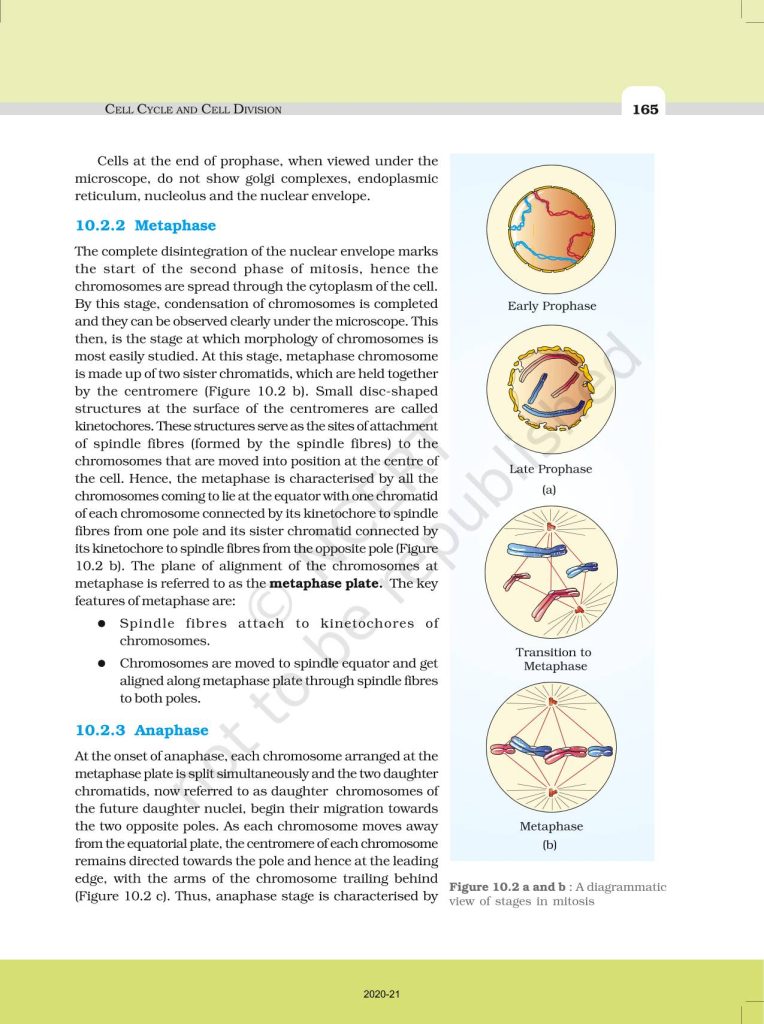
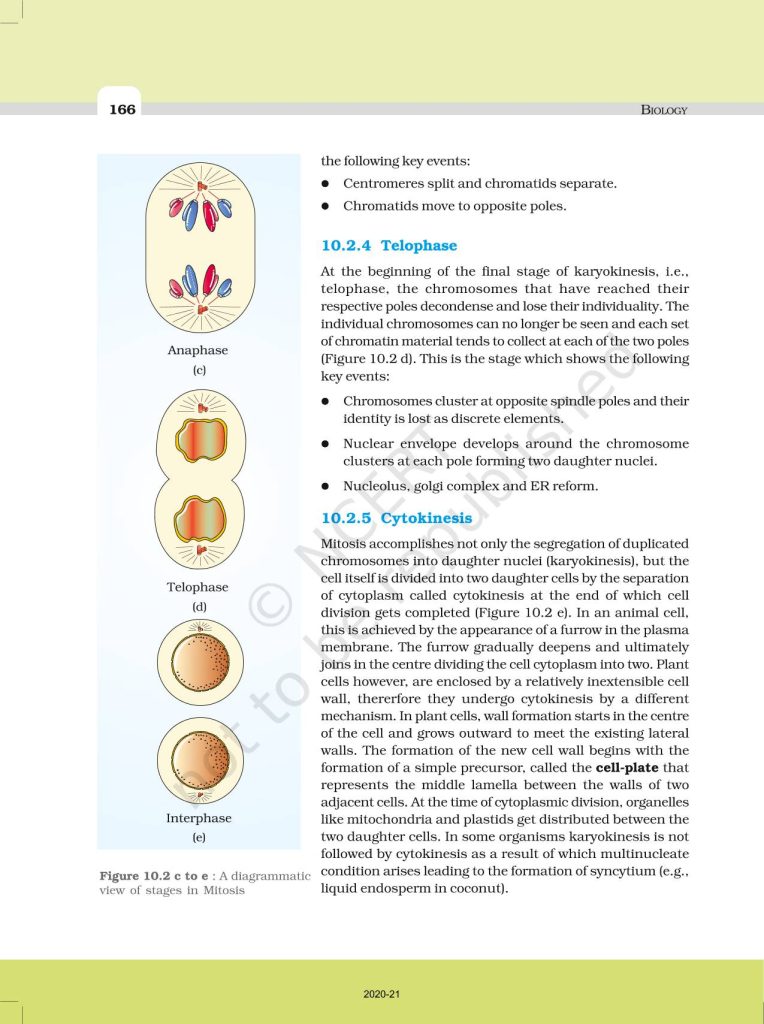
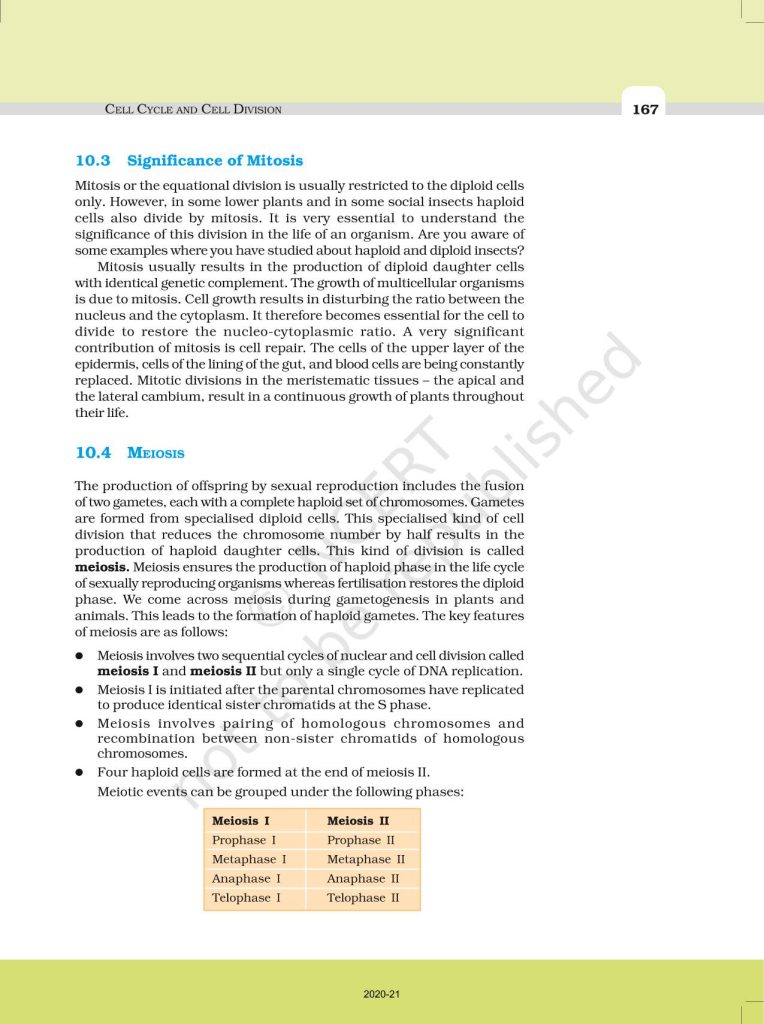
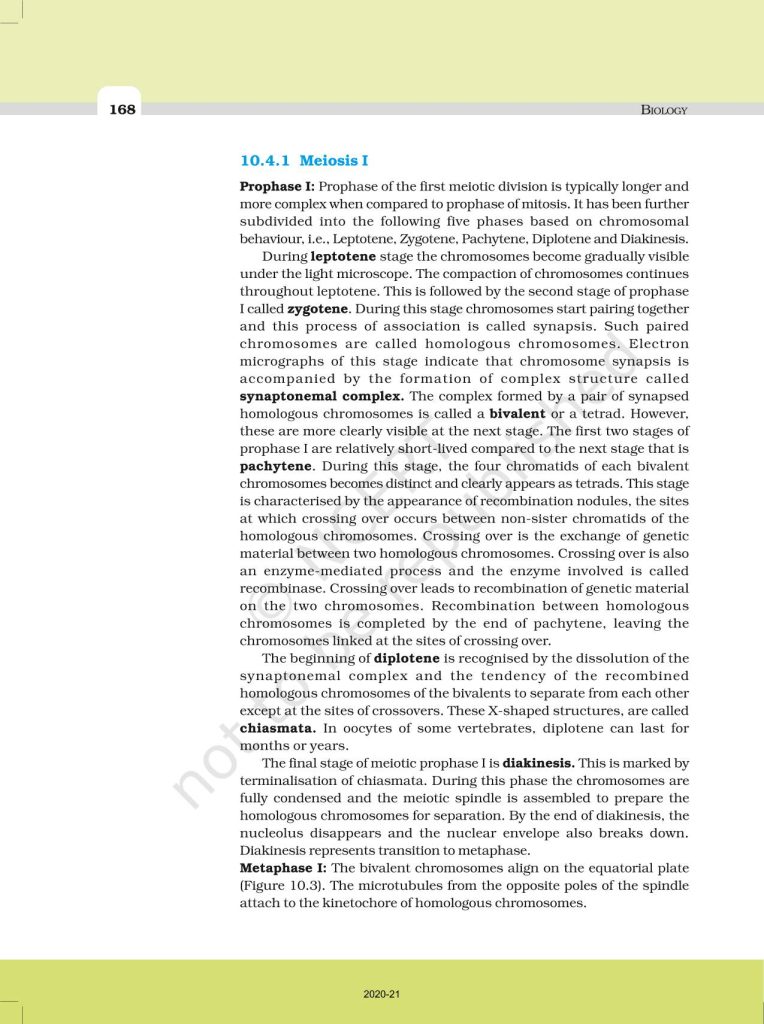
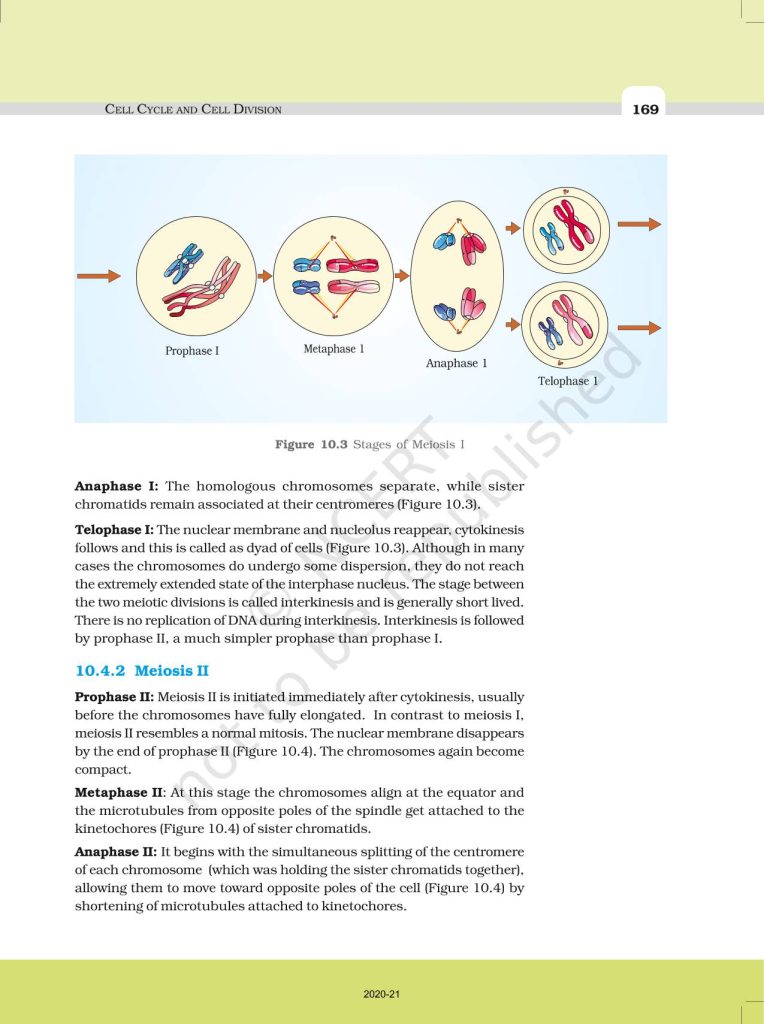
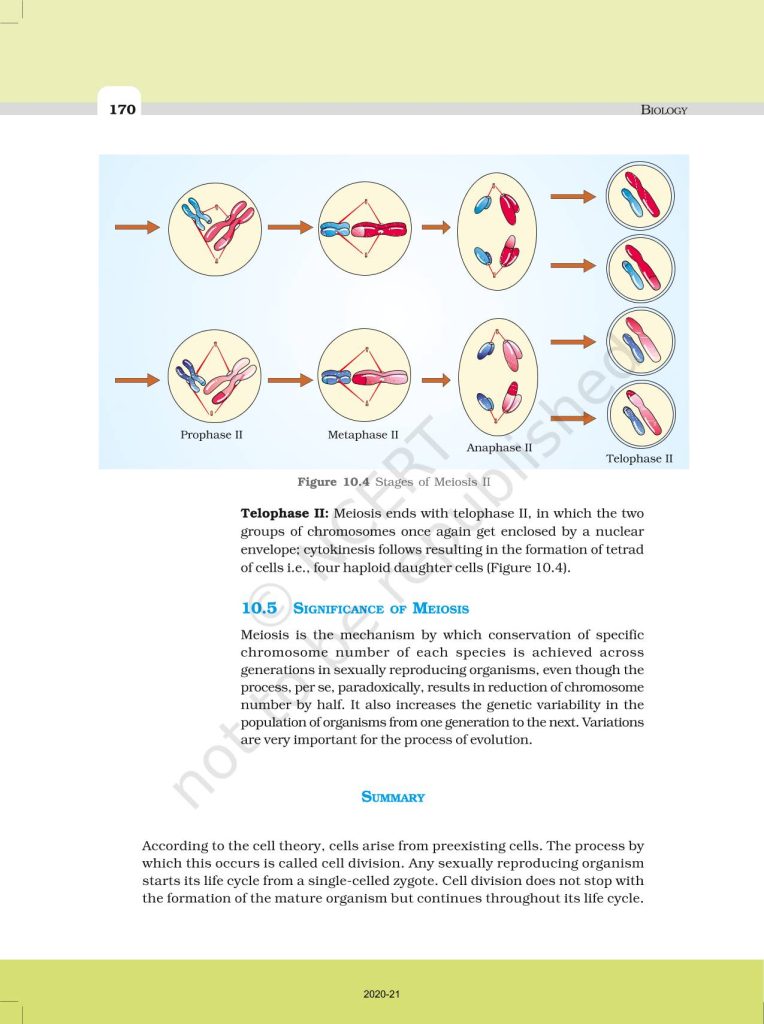
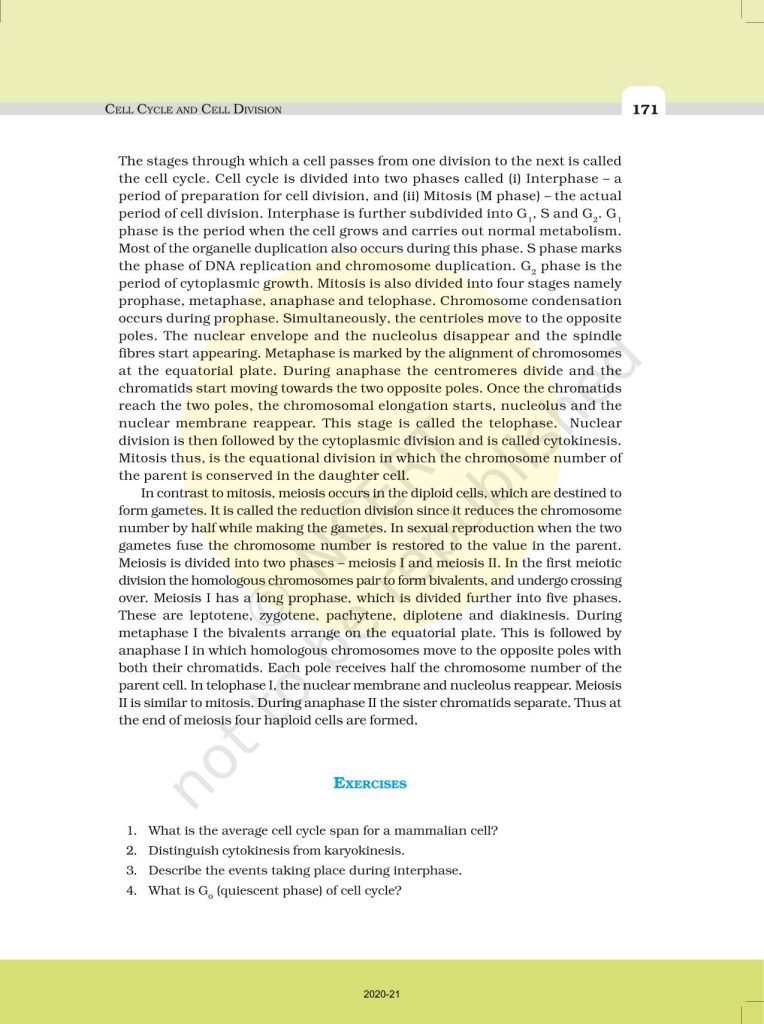
Cell Cycle and Cell Division is an important chapter in Class 11 Biology that explains how cells grow, replicate their DNA, and divide to form new cells. The cell cycle consists of two main phases: Interphase and the M Phase (Mitotic phase). Interphase is further divided into G1 phase (cell growth), S phase (DNA replication), and G2 phase (preparation for division). During the M phase, the cell undergoes mitosis (in somatic cells) or meiosis (in reproductive cells), followed by cytokinesis, resulting in daughter cells.
Mitosis helps in growth, repair, and maintenance of the body, while meiosis is responsible for the formation of gametes and genetic variation. Understanding this chapter is essential for grasping concepts related to genetics, reproduction, and organism development, especially for competitive exams like NEET.
Cell cycle and cell division NCERT
Student doubts & questions
Stuck on this chapter? Ask below and get help from tutors and fellow students.