Chapter 7 – Structural Organisation in Animals
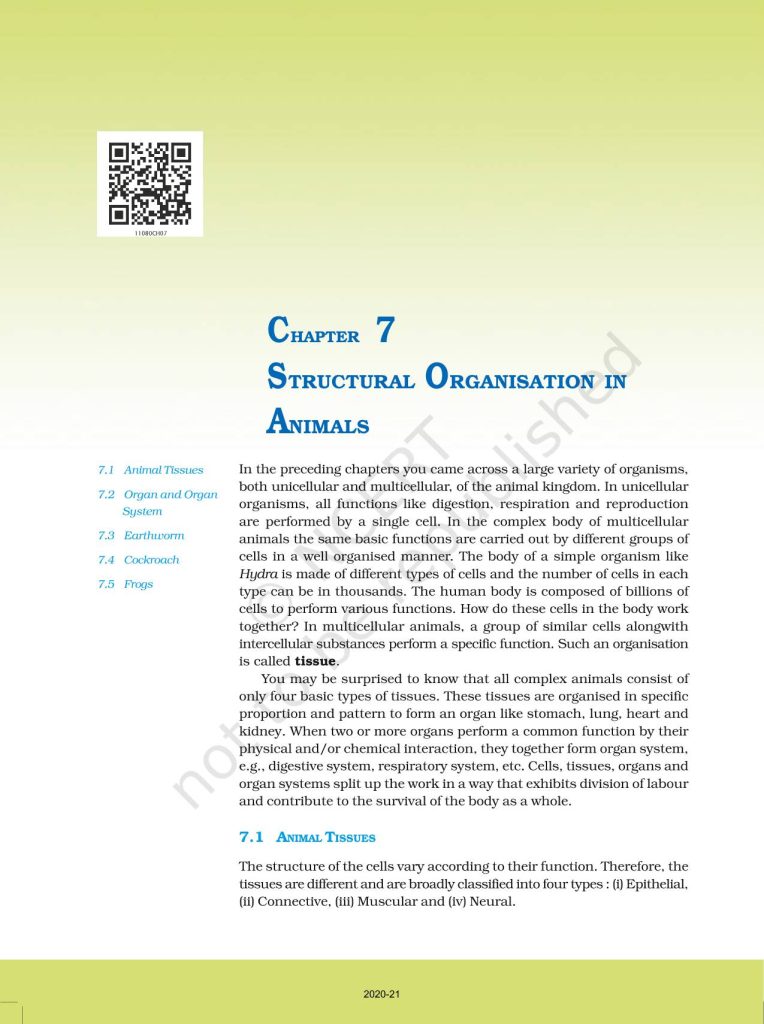
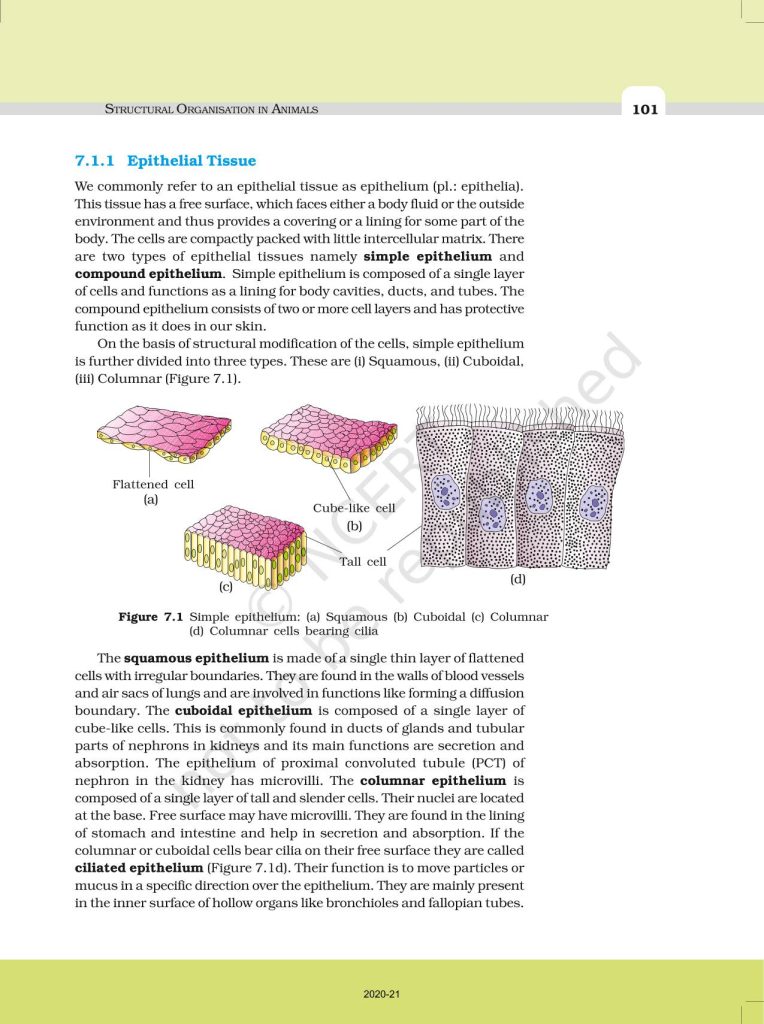
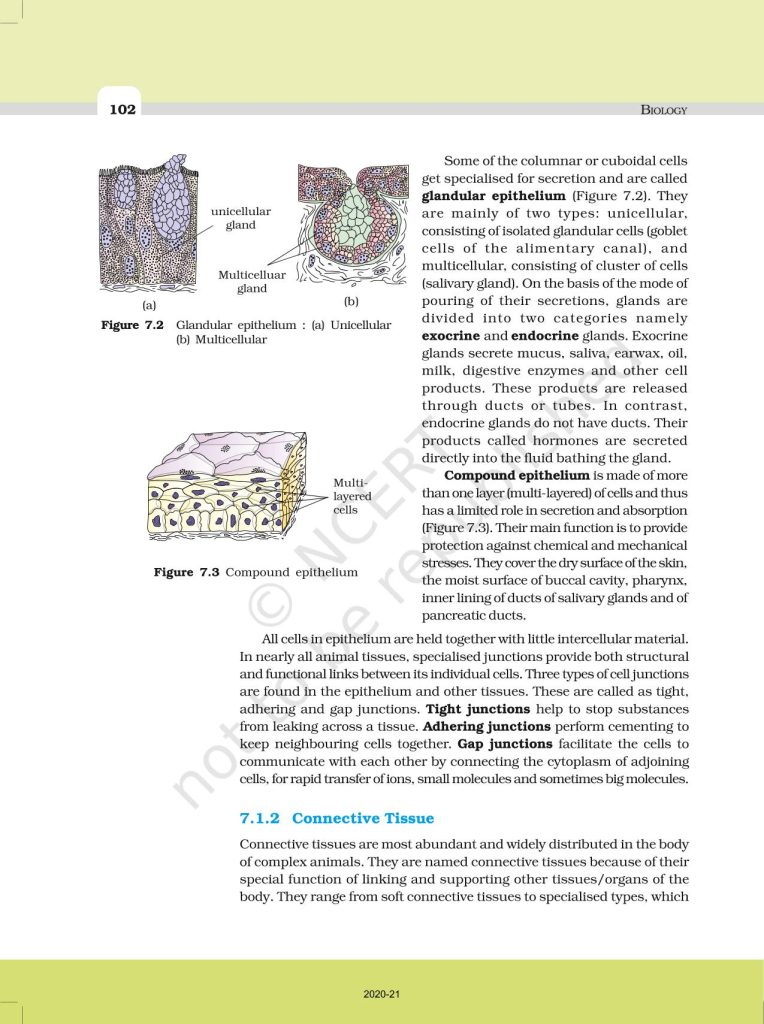
Chapter 7 – Structural Organisation in Animals explains how animal bodies are built from basic units called tissues. The chapter focuses on four main types of animal tissues: epithelial, connective, muscular, and nervous tissues. It describes their structure, functions, and locations in the body. Students learn how these tissues work together to form organs and organ systems. The chapter also highlights the structural differences between simple and complex organisms, helping to understand how organization increases from cells to tissues, organs, and systems in animals, especially for competitive exams like NEET and other entrance tests.
Structural Organisation in animals NCERT
Student doubts & questions
Stuck on this chapter? Ask below and get help from tutors and fellow students.