Chapter 20 – Locomotion And Movement
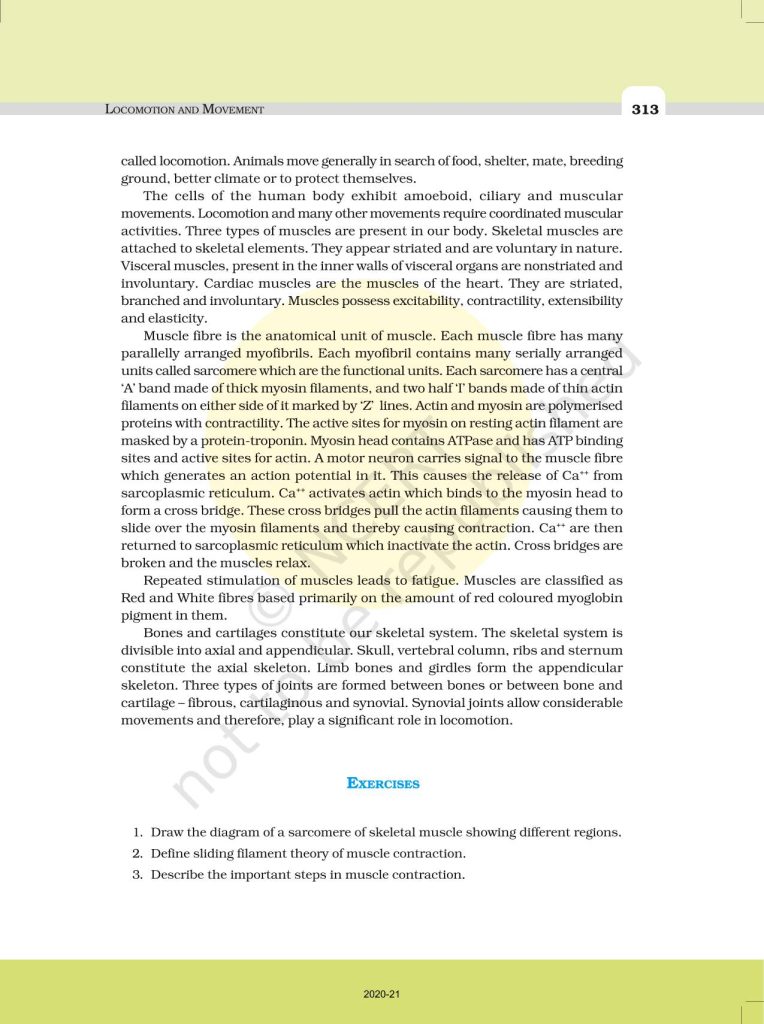
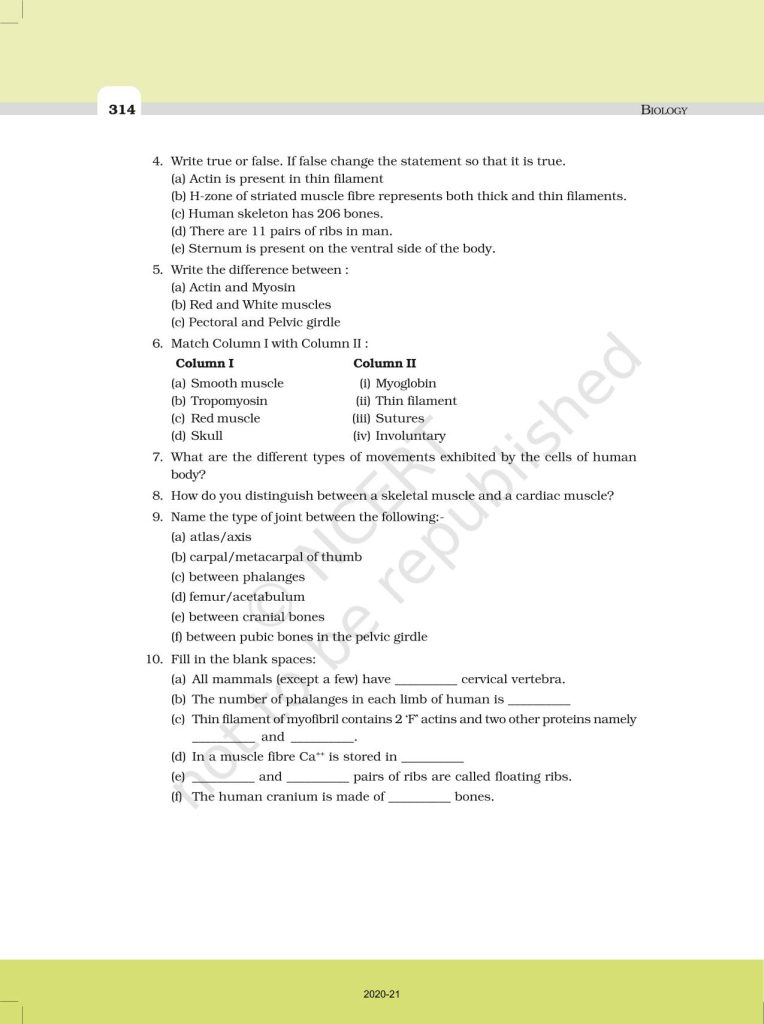
Locomotion and Movement is an important chapter in Class 11 Biology that explains how organisms move from one place to another and how body parts perform different movements. Movement refers to a change in position of body parts, while locomotion specifically means movement of the whole body from one place to another.
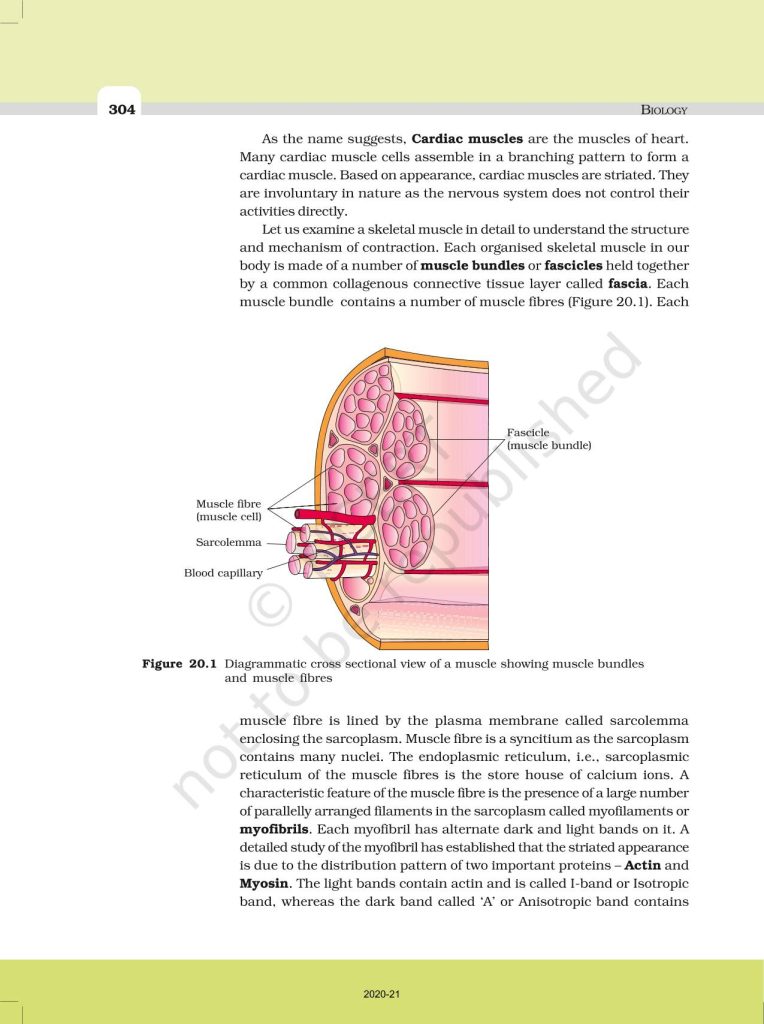
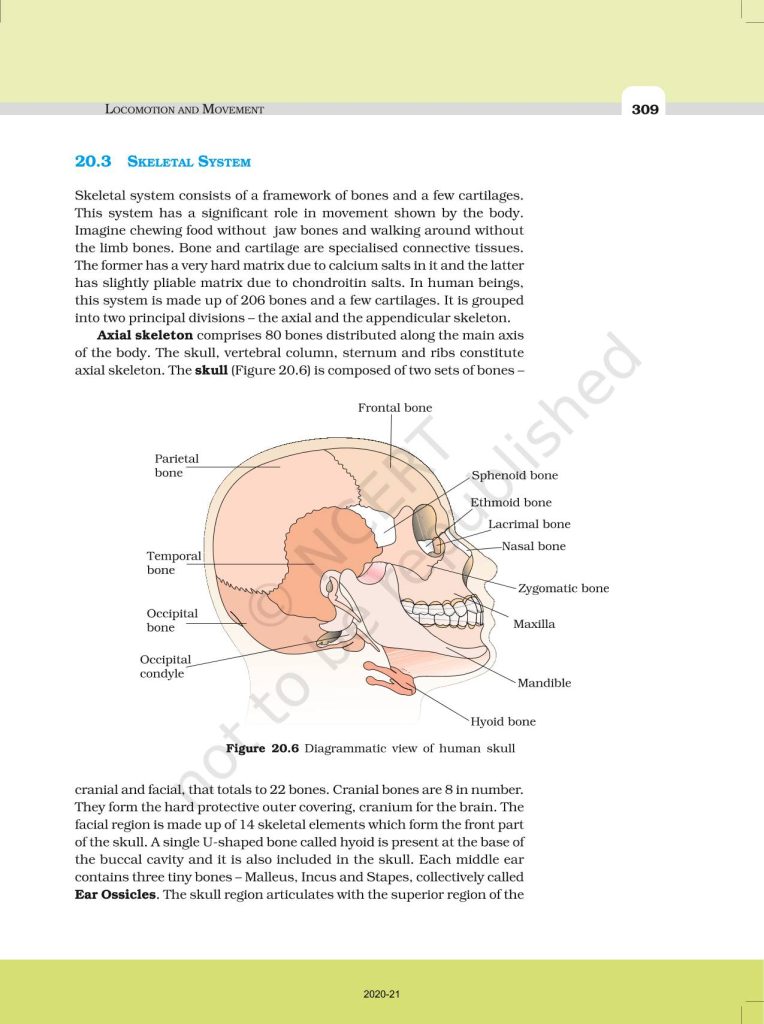
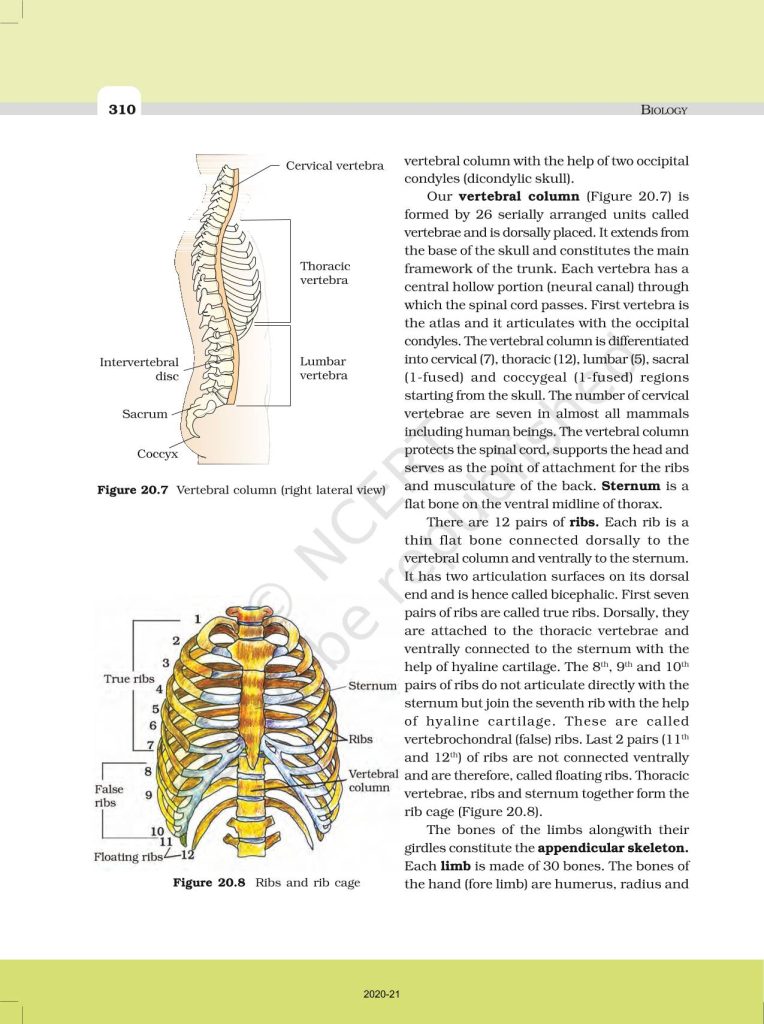
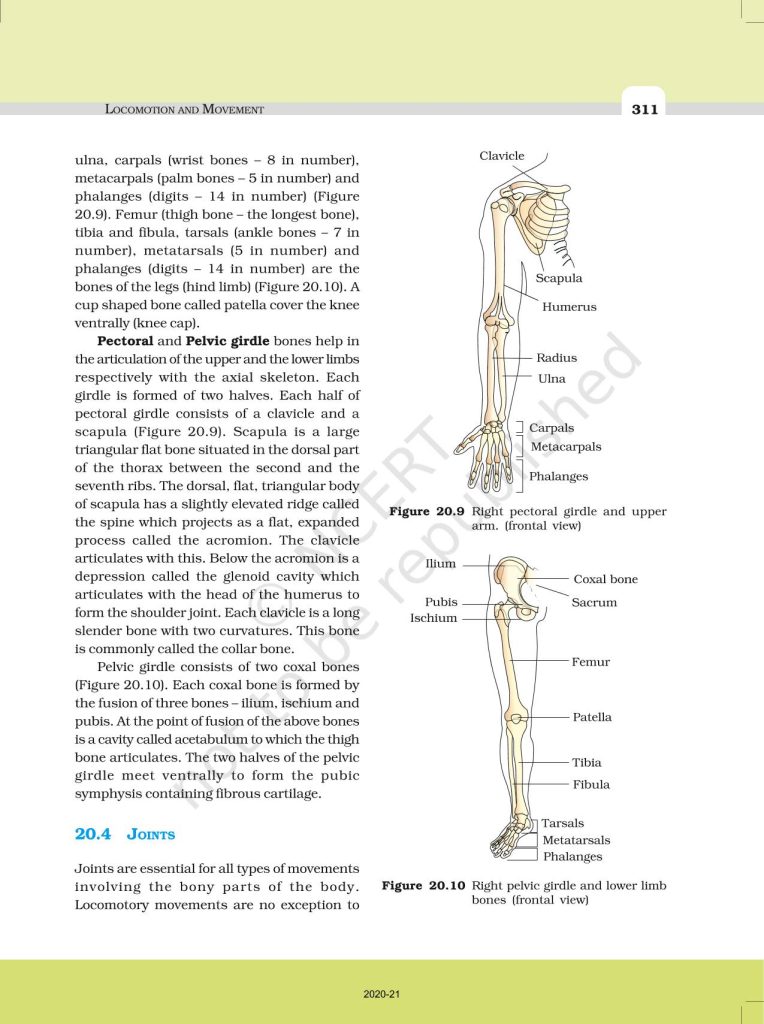
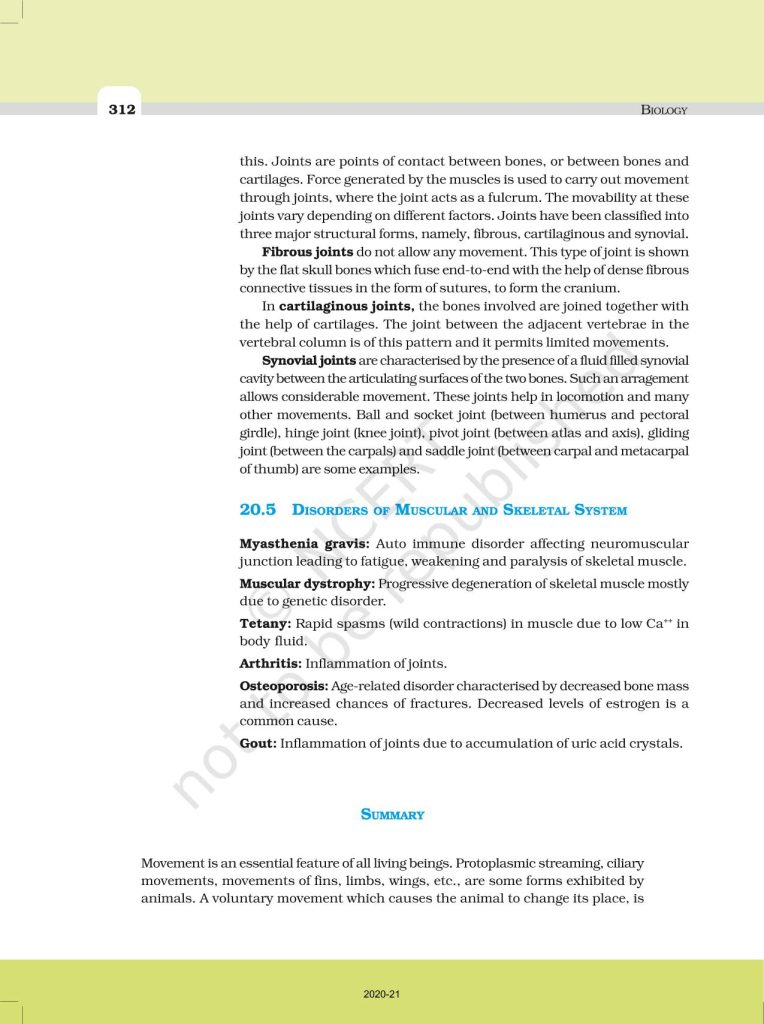
This chapter focuses mainly on the human skeletal and muscular systems. It describes the structure and functions of bones, joints, and skeletal muscles, and explains different types of joints such as fibrous, cartilaginous, and synovial joints. The mechanism of muscle contraction is explained through the sliding filament theory, highlighting the role of actin, myosin, ATP, and calcium ions.
The chapter also discusses disorders related to muscles and bones such as arthritis, osteoporosis, and muscular dystrophy. Understanding this chapter is essential for learning how the body performs coordinated movements and is highly important for CBSE board exams and NEET preparation.
Locomotion and movement NCERT
Student doubts & questions
Stuck on this chapter? Ask below and get help from tutors and fellow students.