Chapter 10 – Haloalkanes And Haloarenes
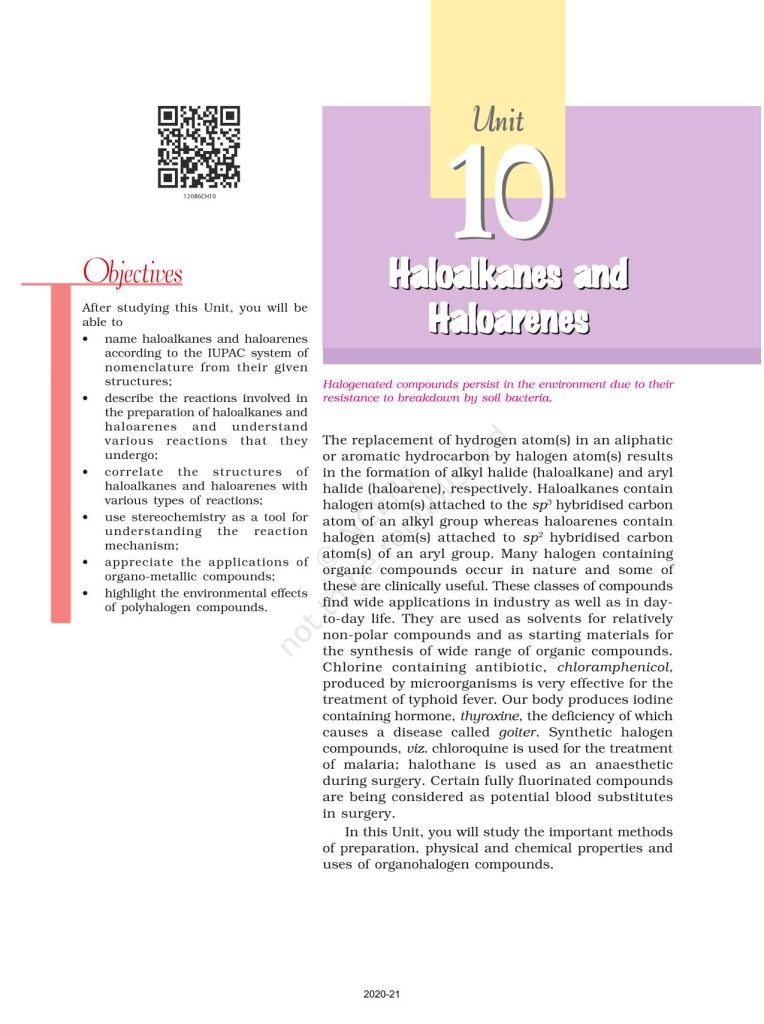
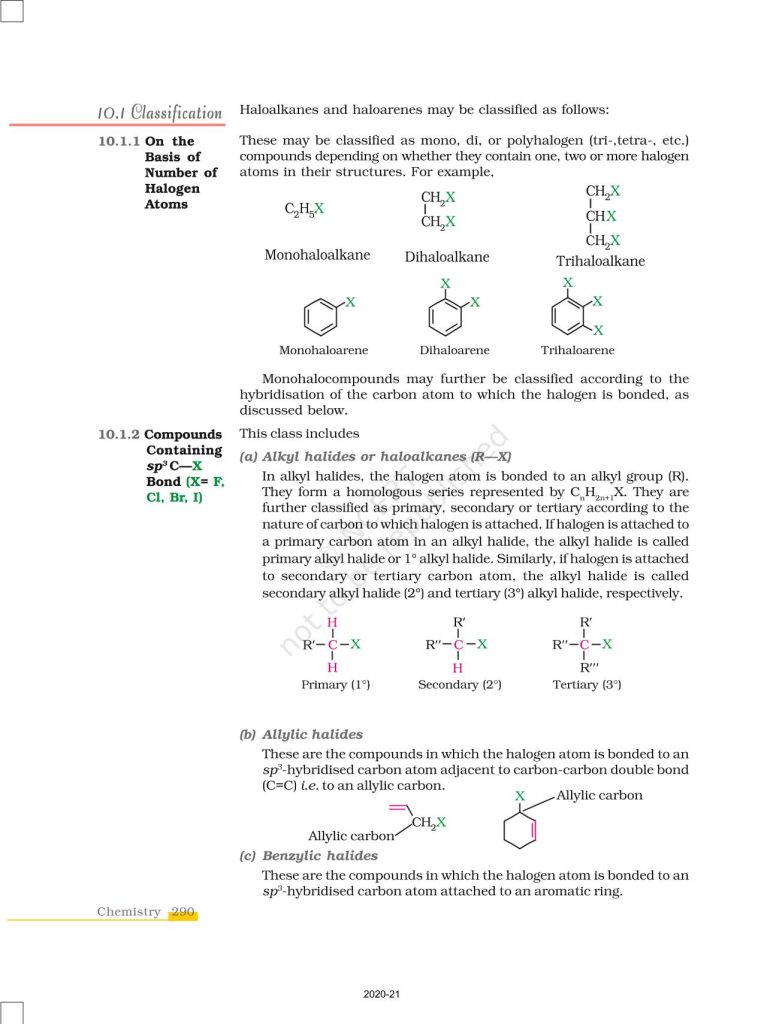
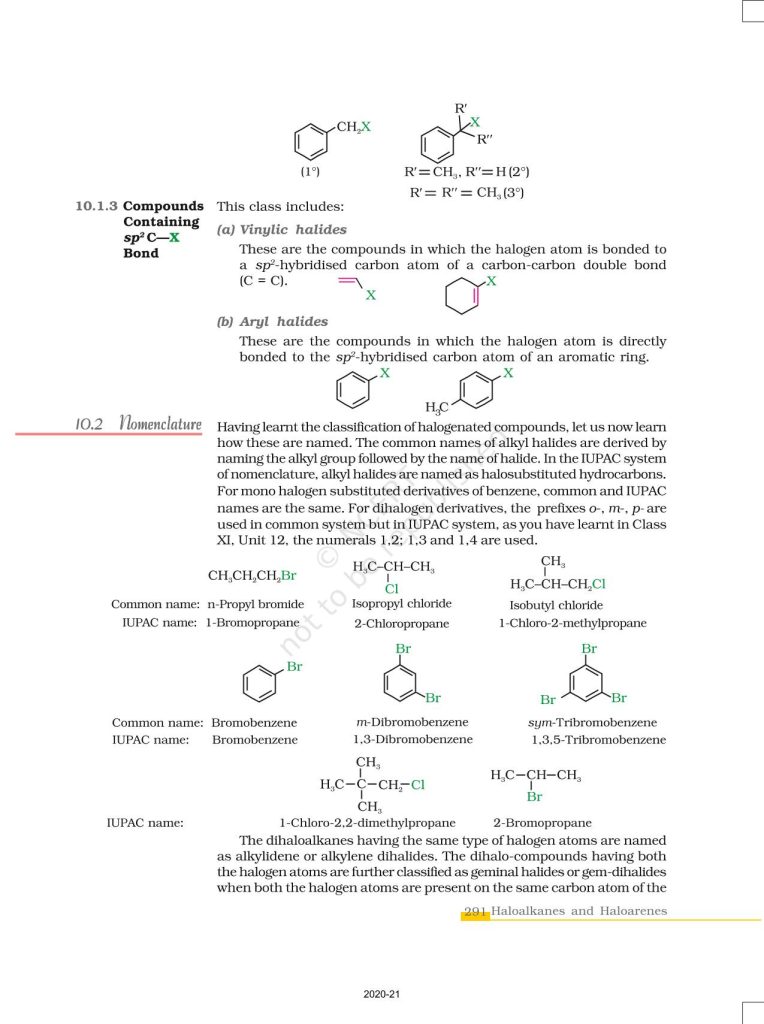
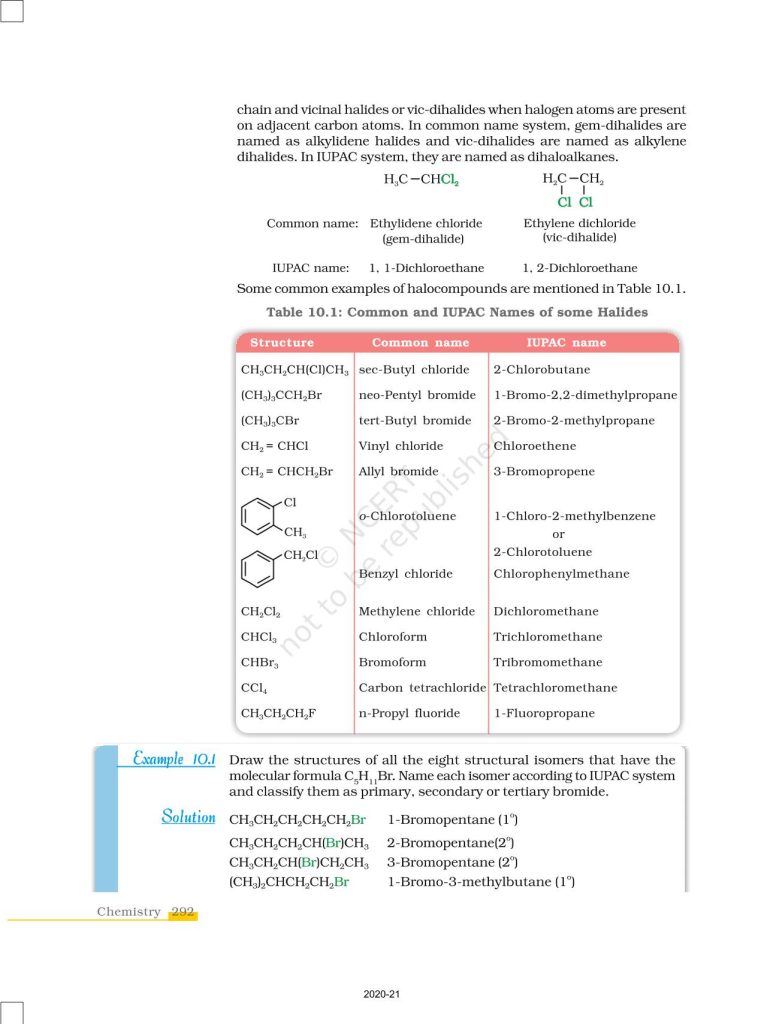
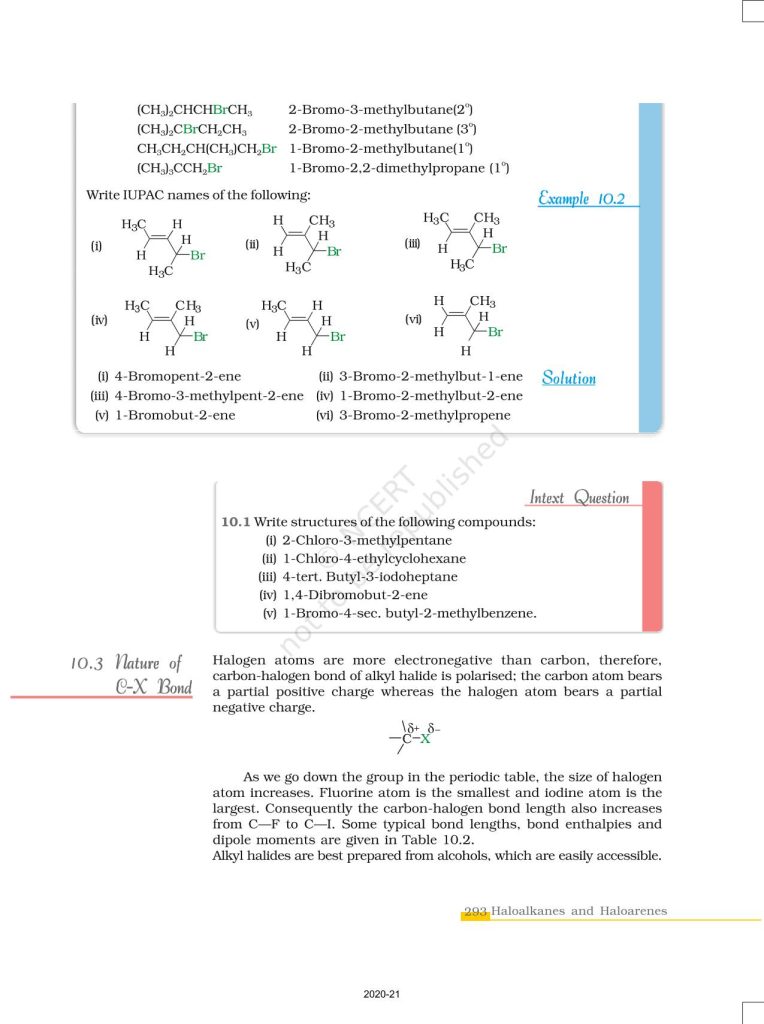
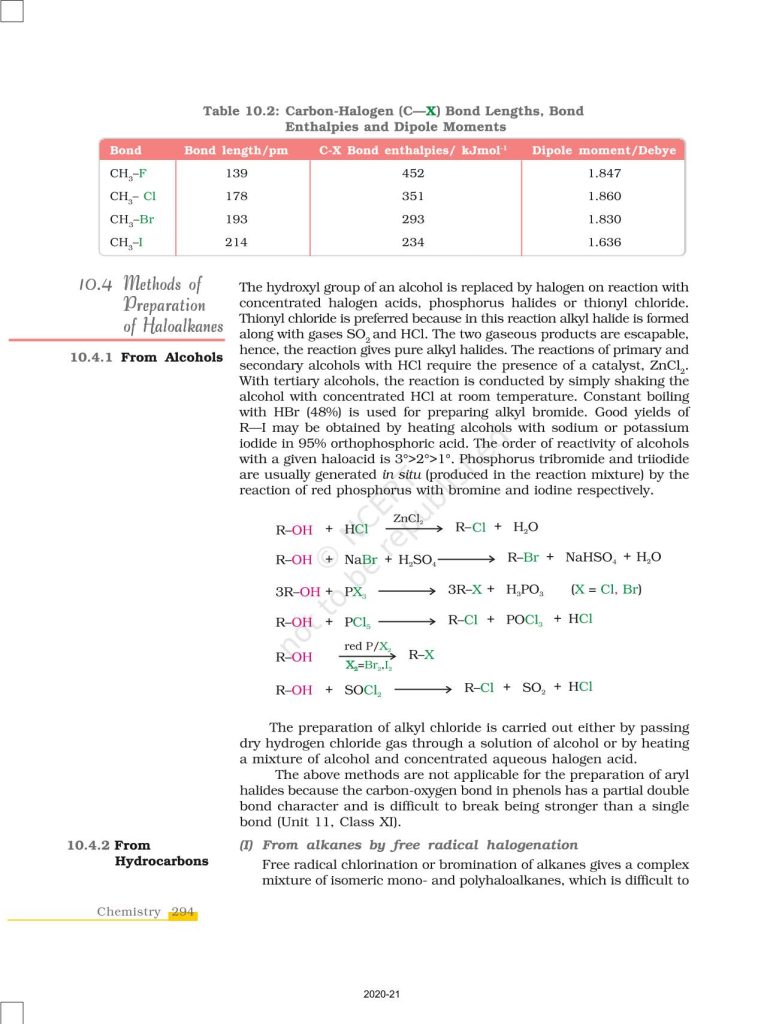
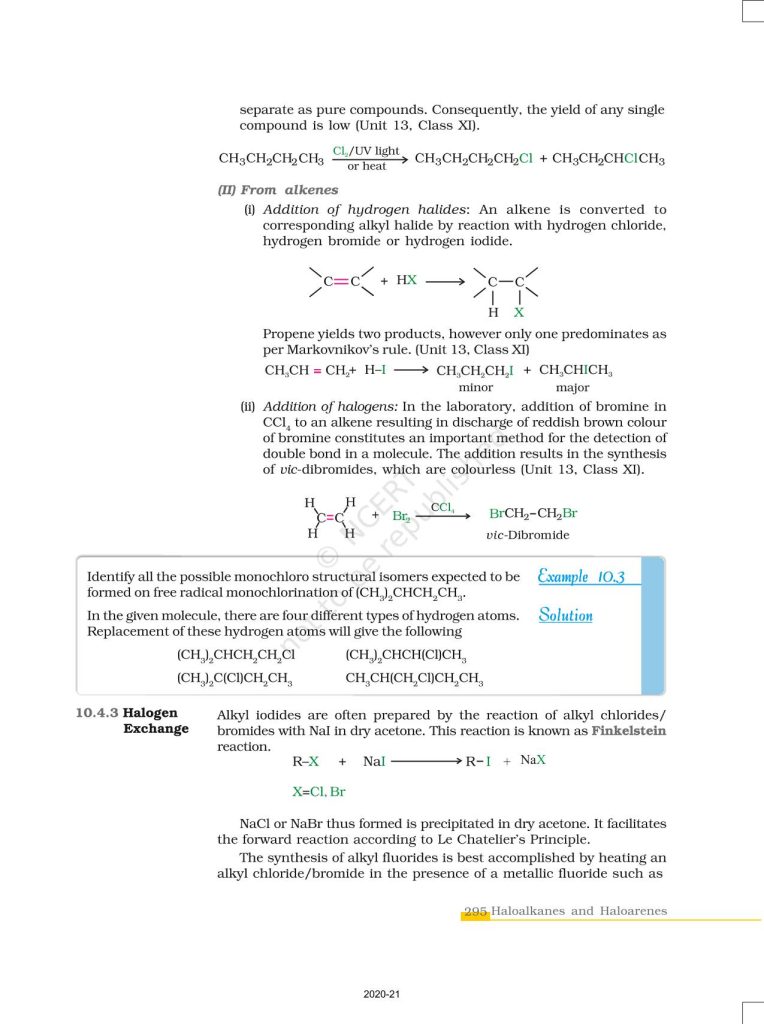
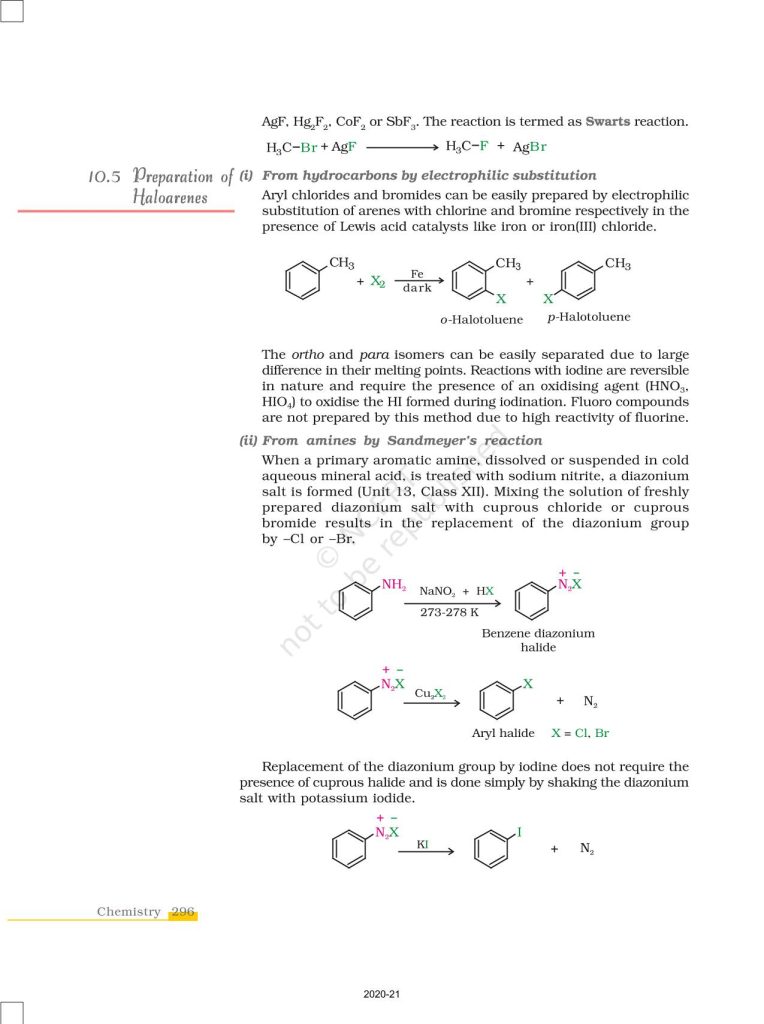
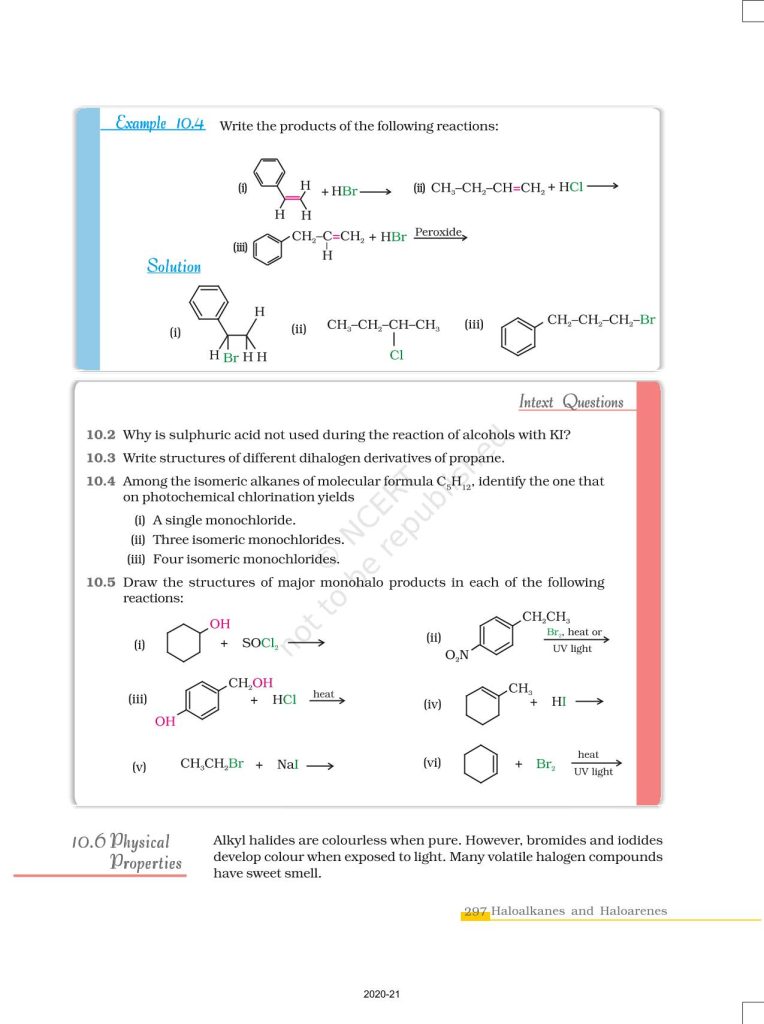
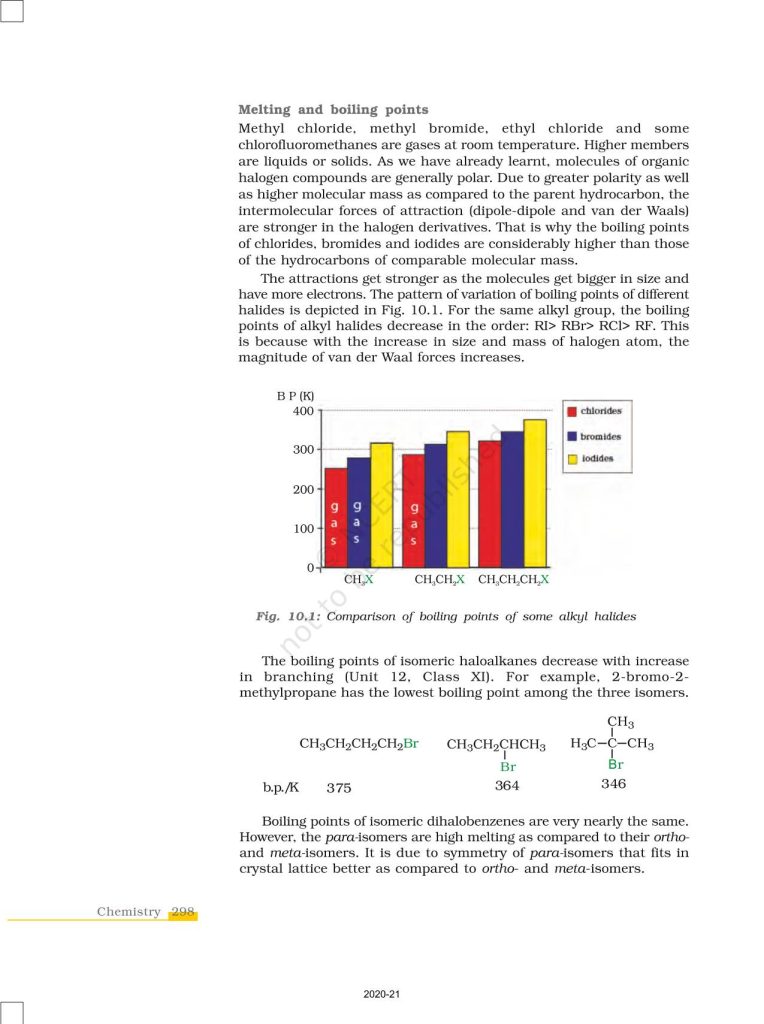
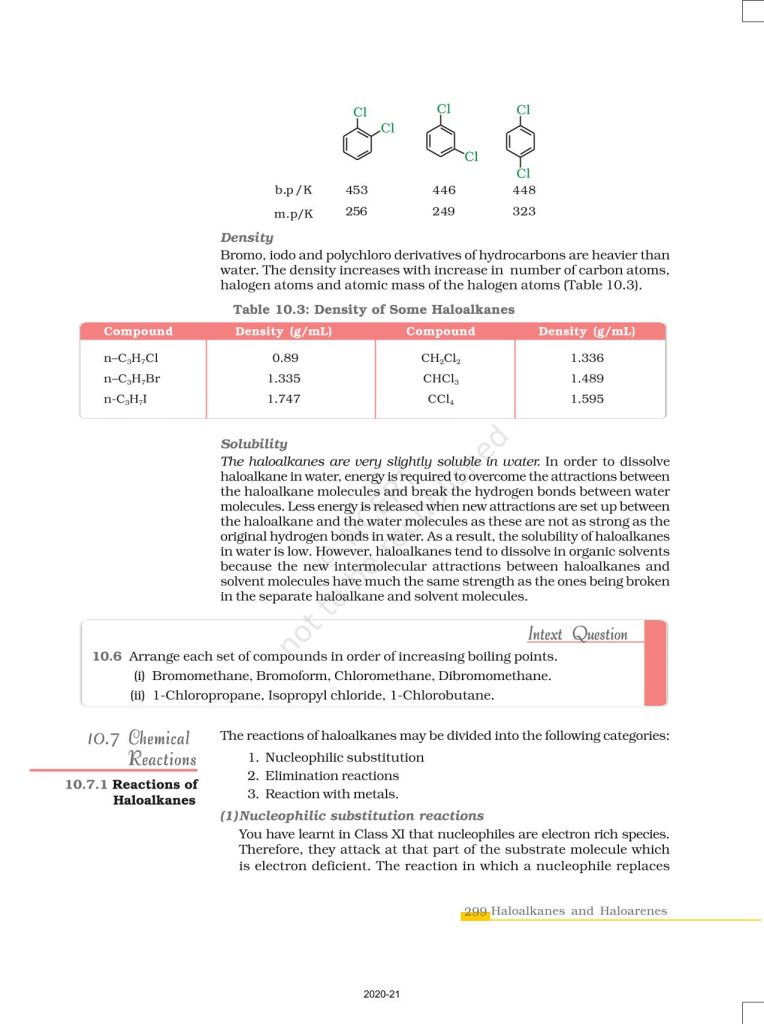
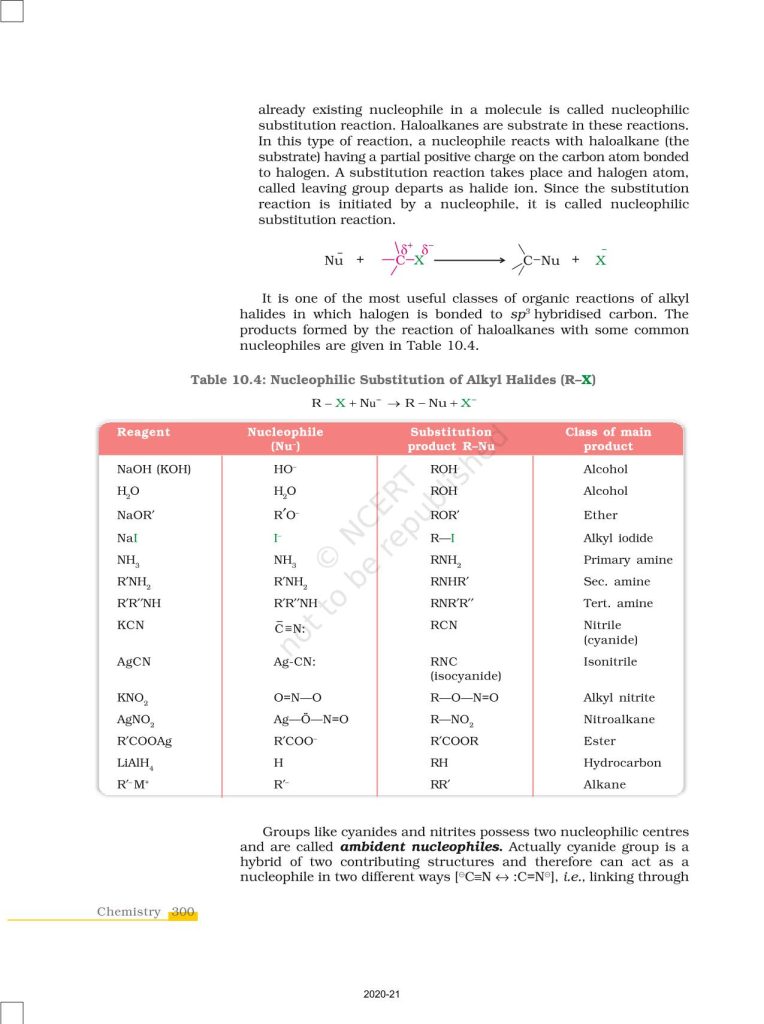
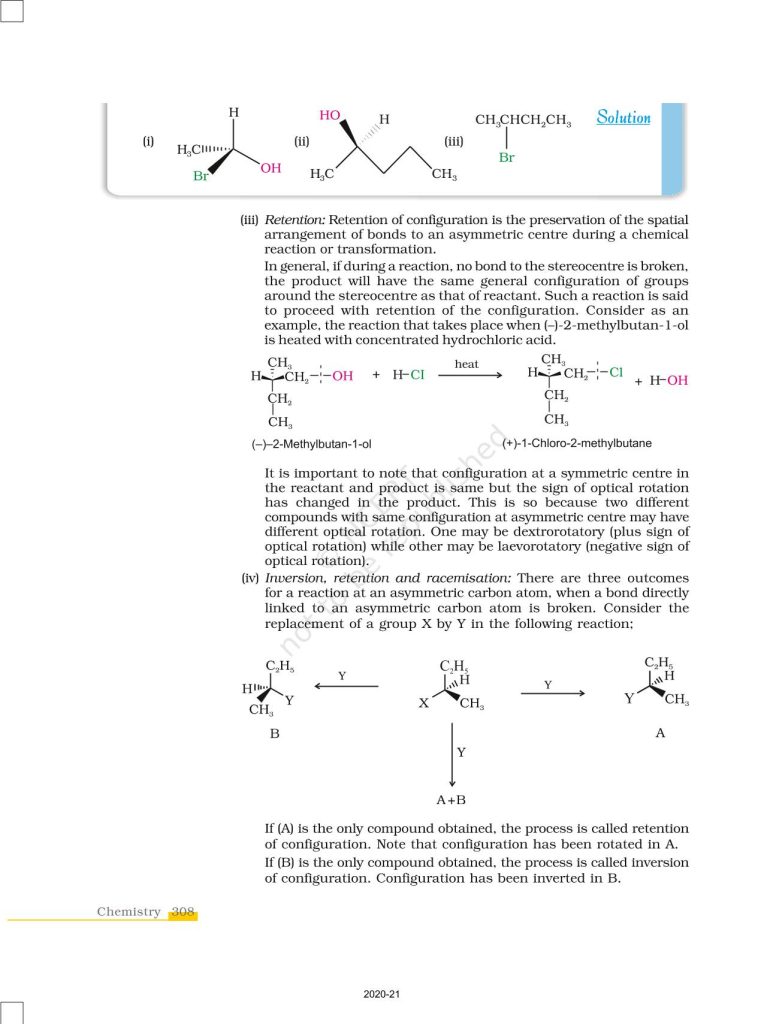
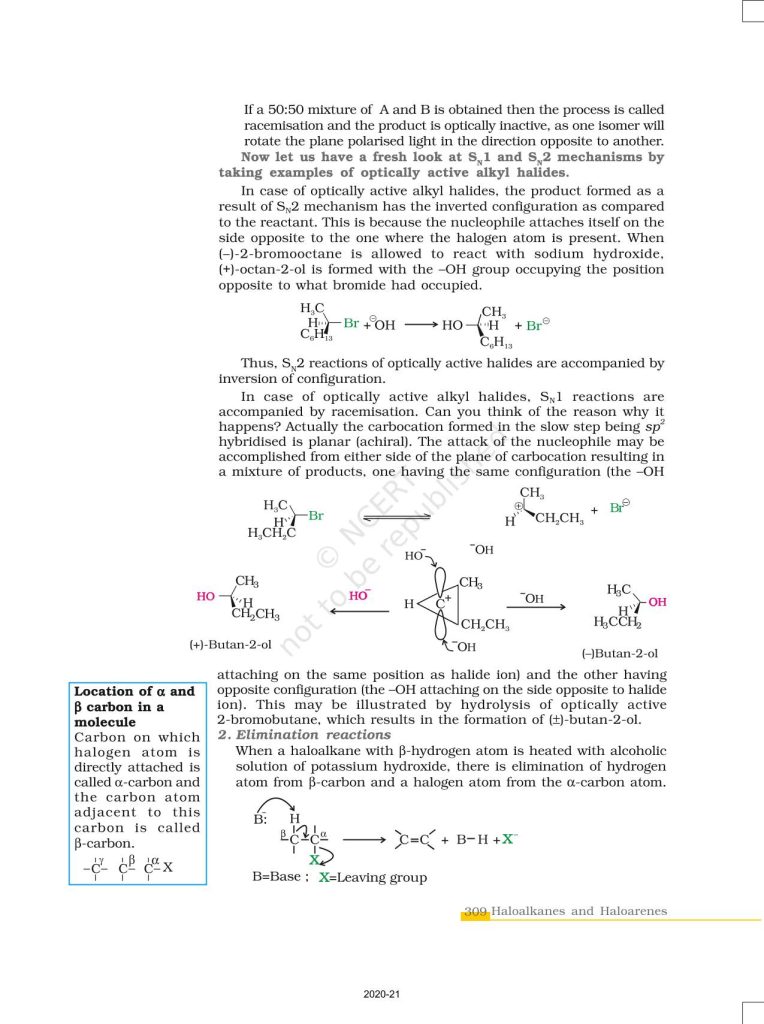
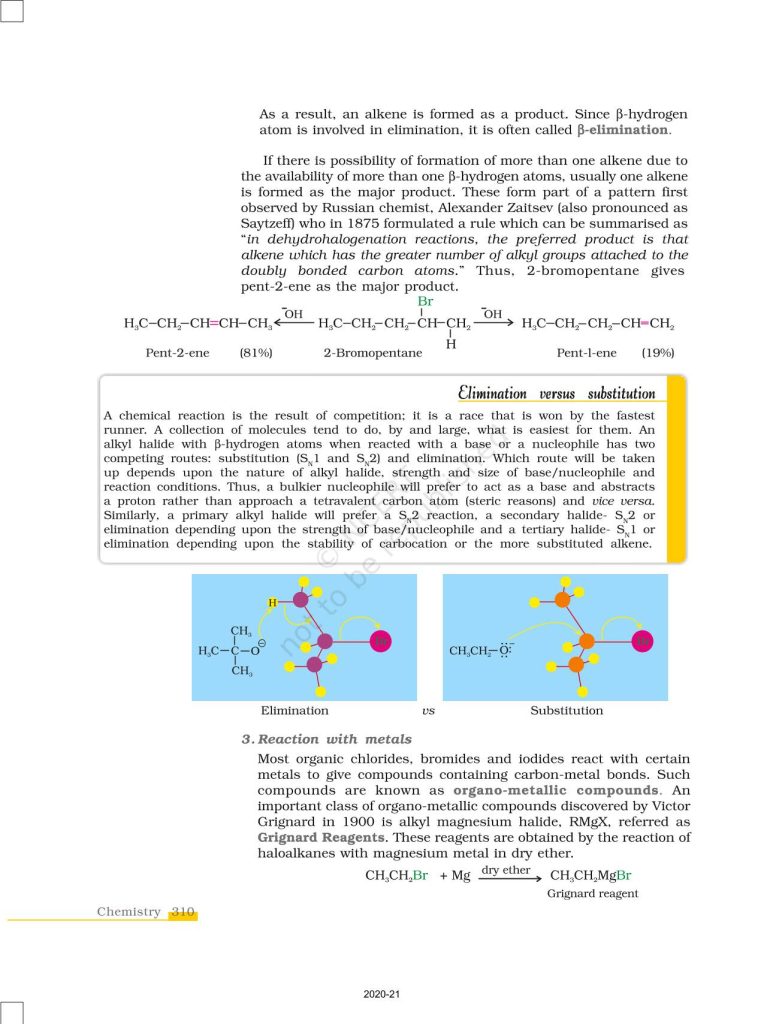
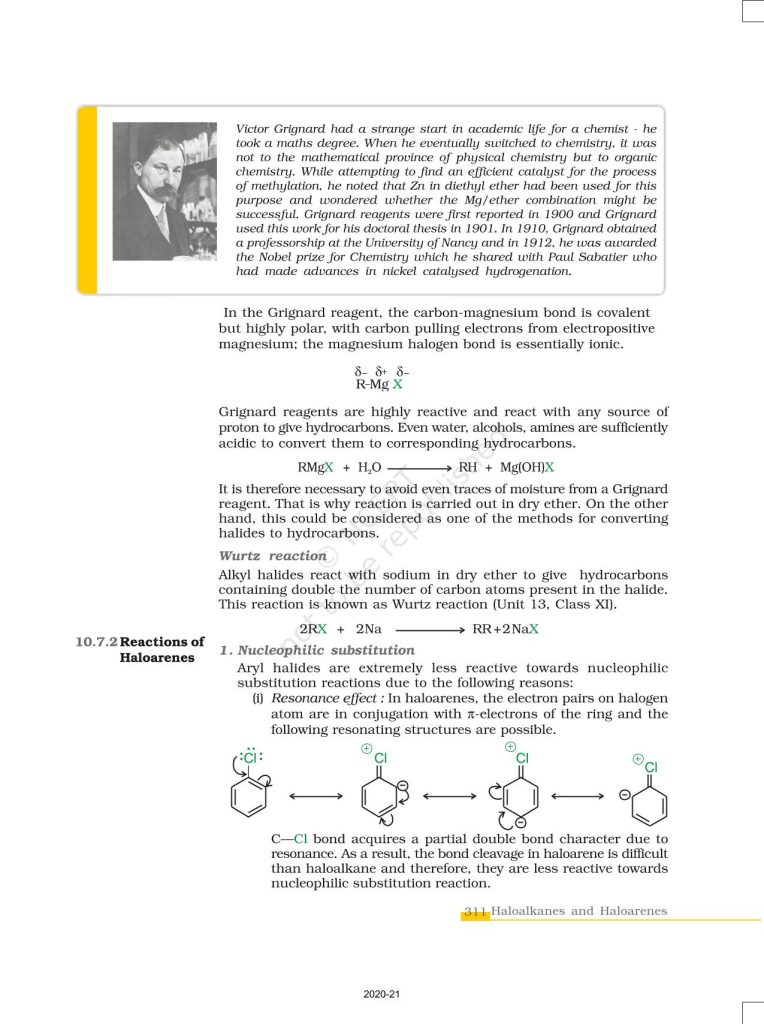
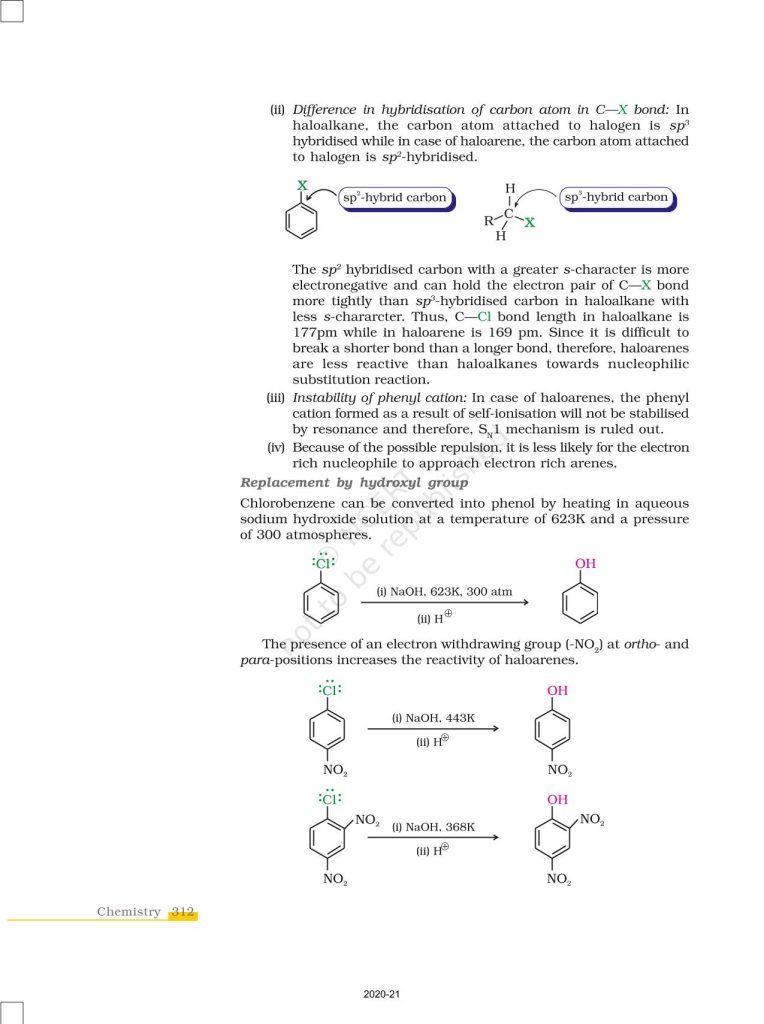
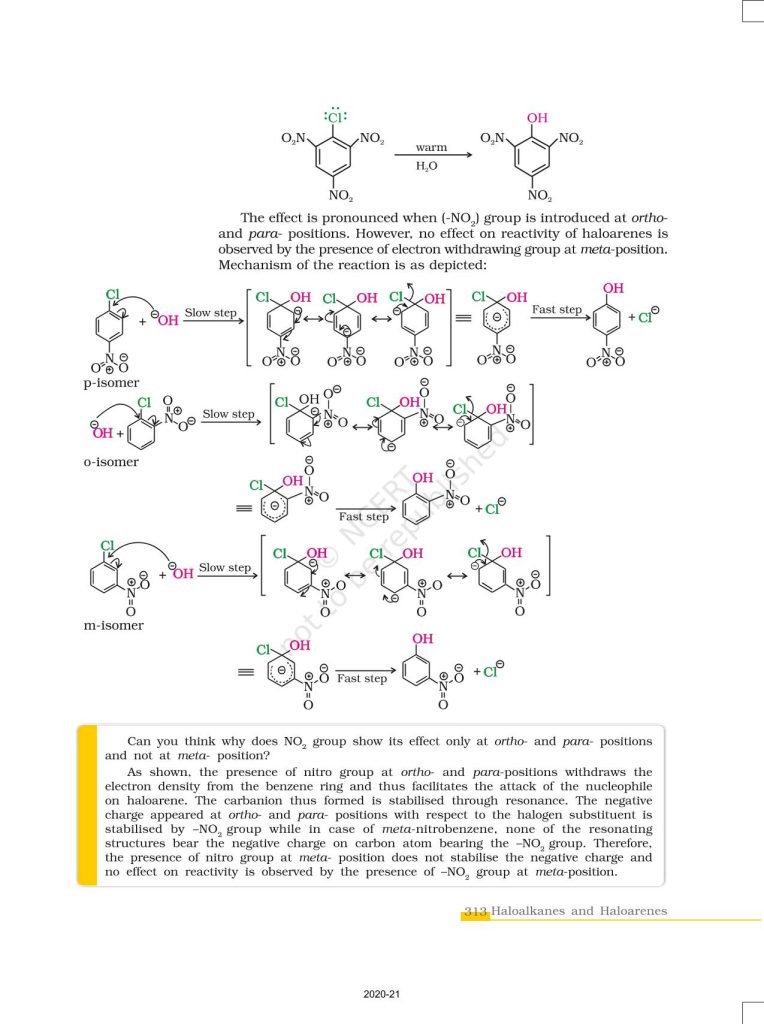
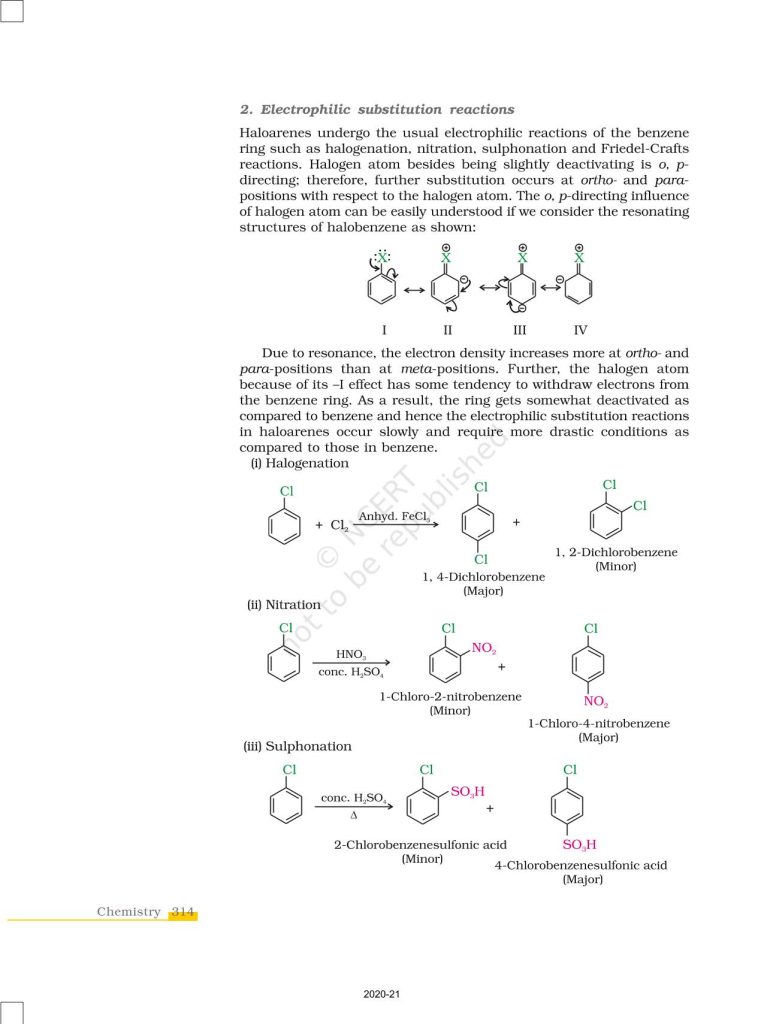
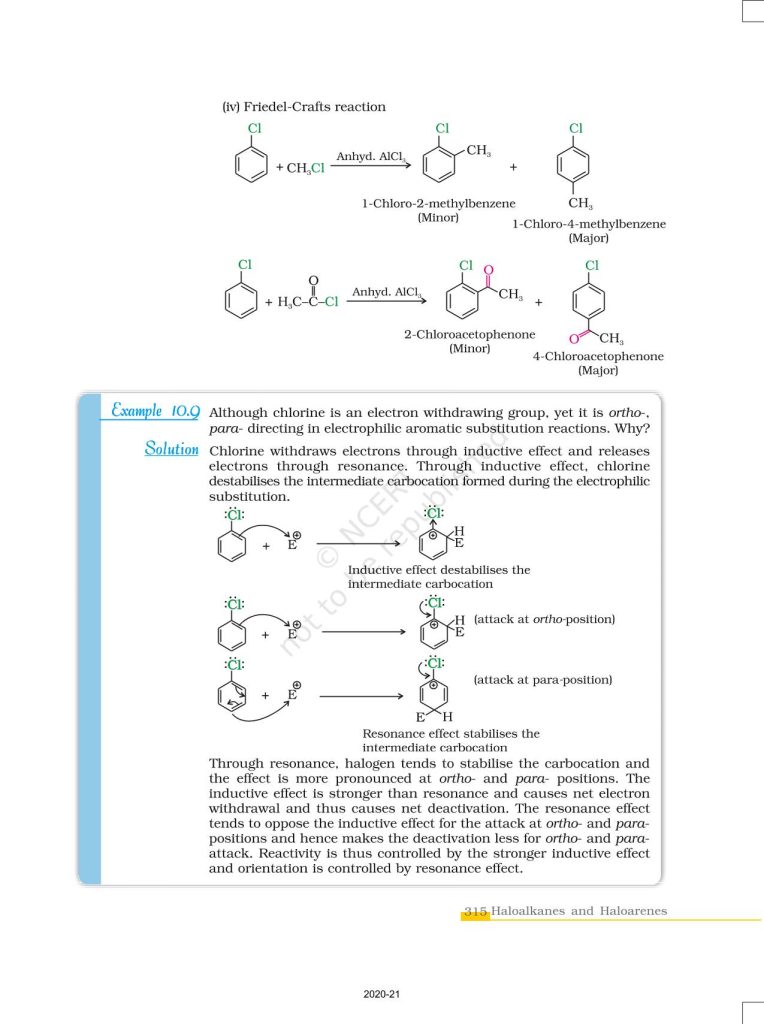
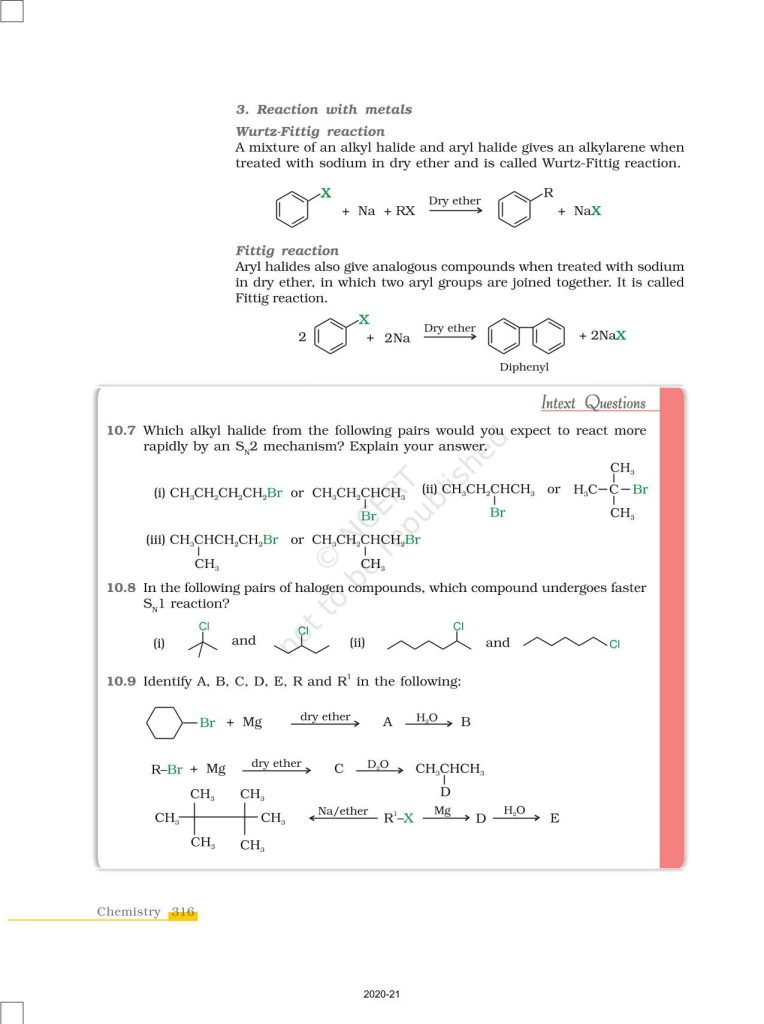
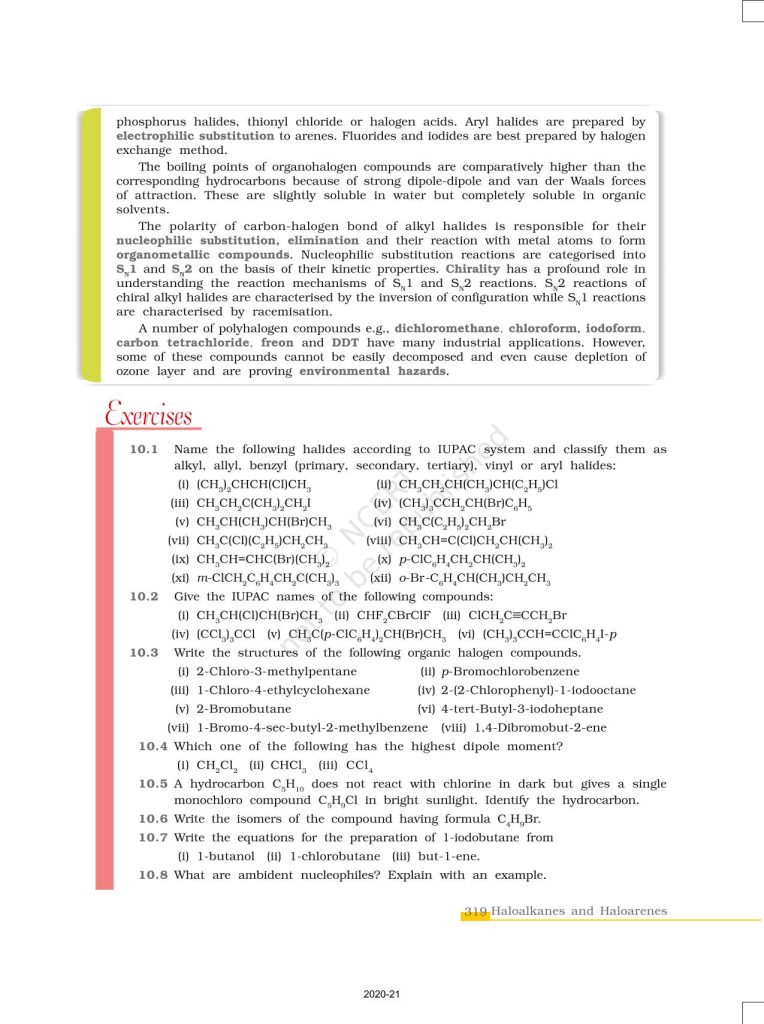
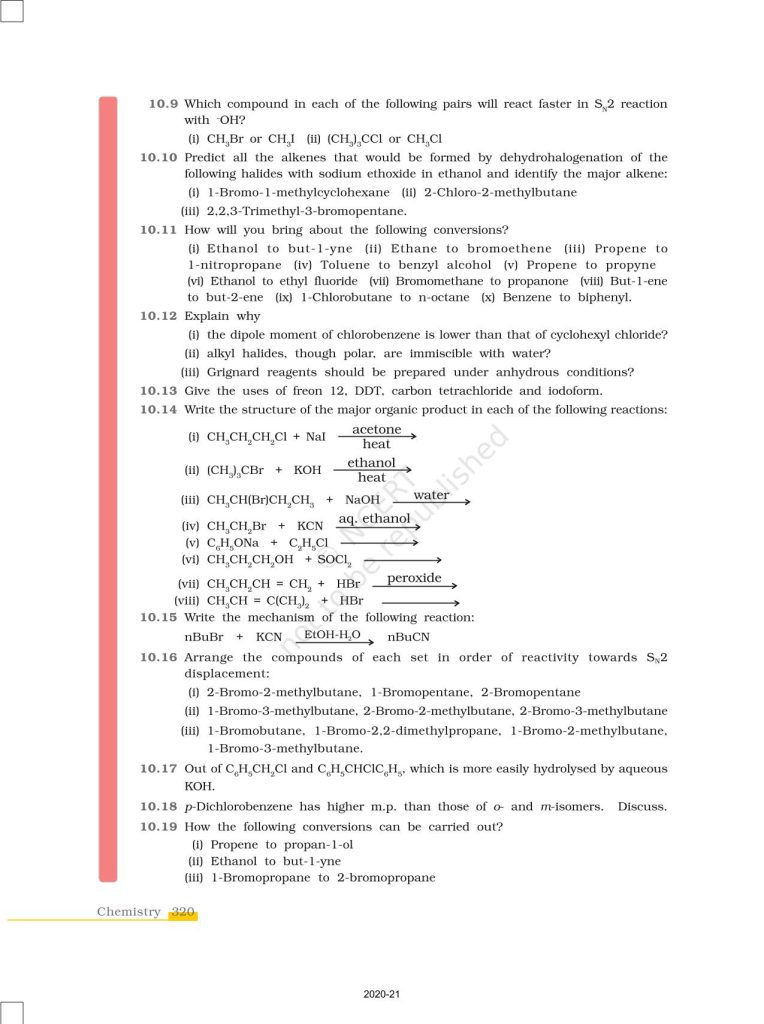
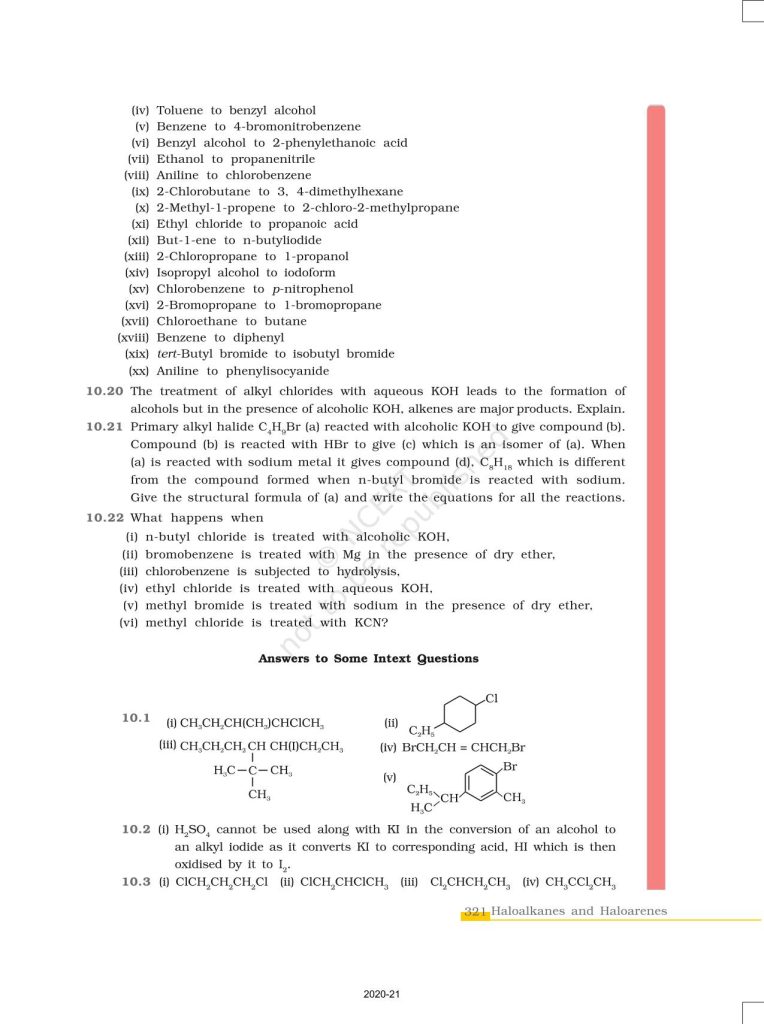
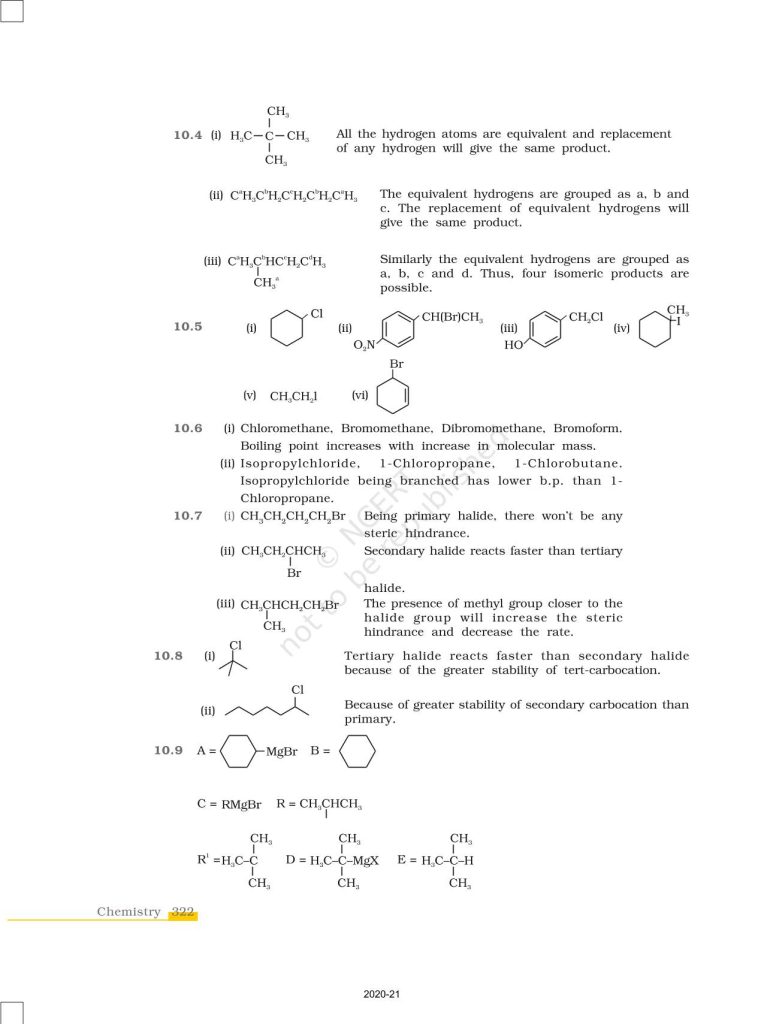
The chapter Haloalkanes and Haloarenes deals with organic compounds in which halogen atoms such as fluorine, chlorine, bromine, or iodine are attached to alkyl or aromatic groups. It explains the classification, nomenclature, and methods of preparation of haloalkanes and haloarenes. The chapter also describes their physical and chemical properties, including important reactions like nucleophilic substitution and elimination reactions.
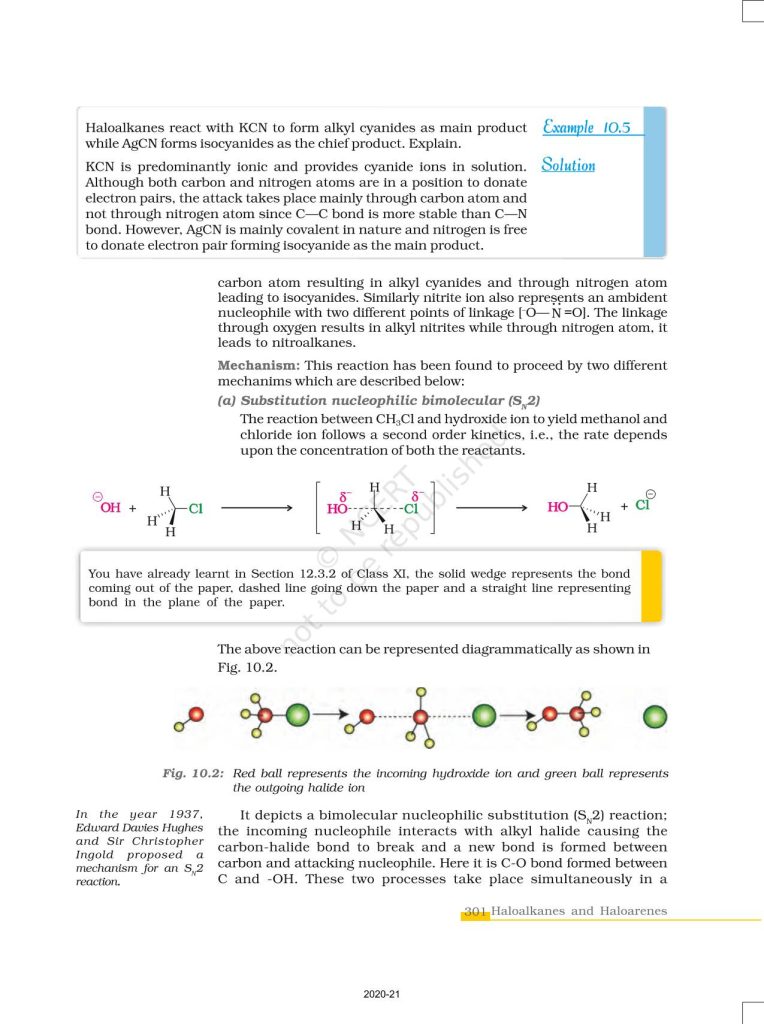
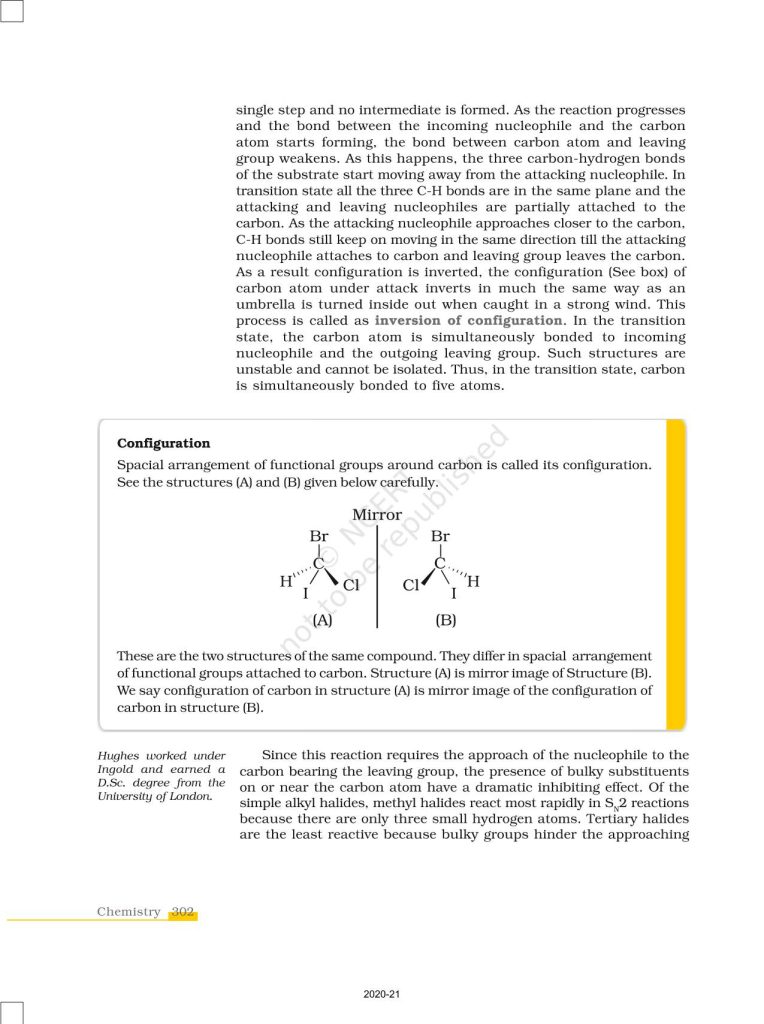
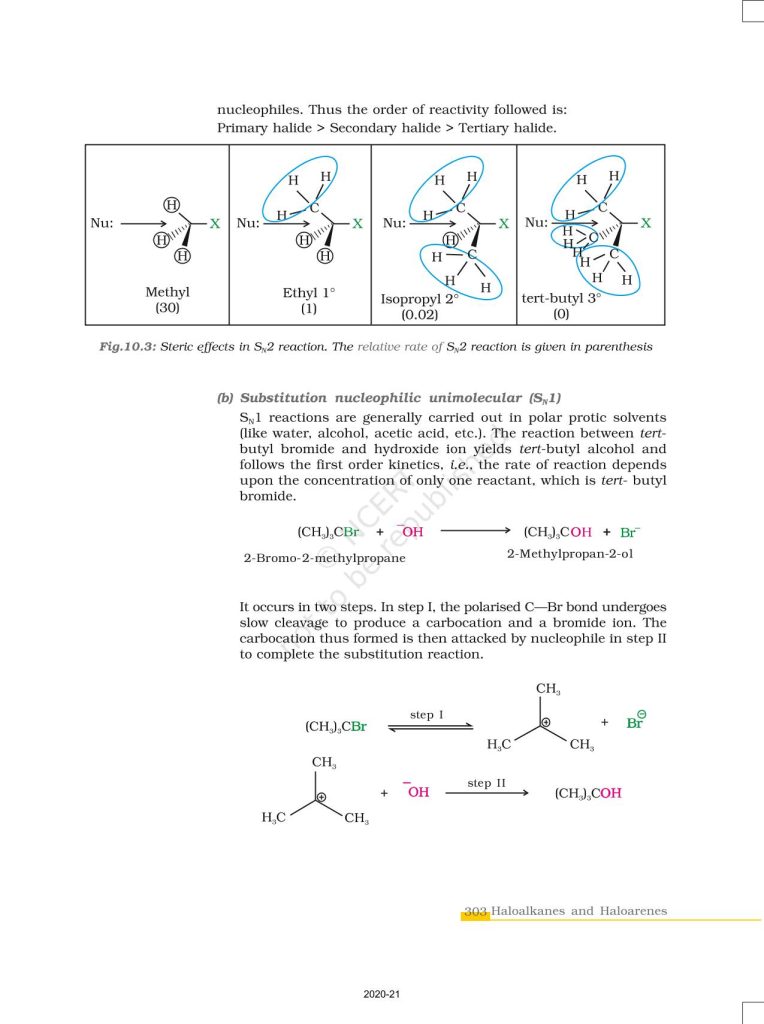
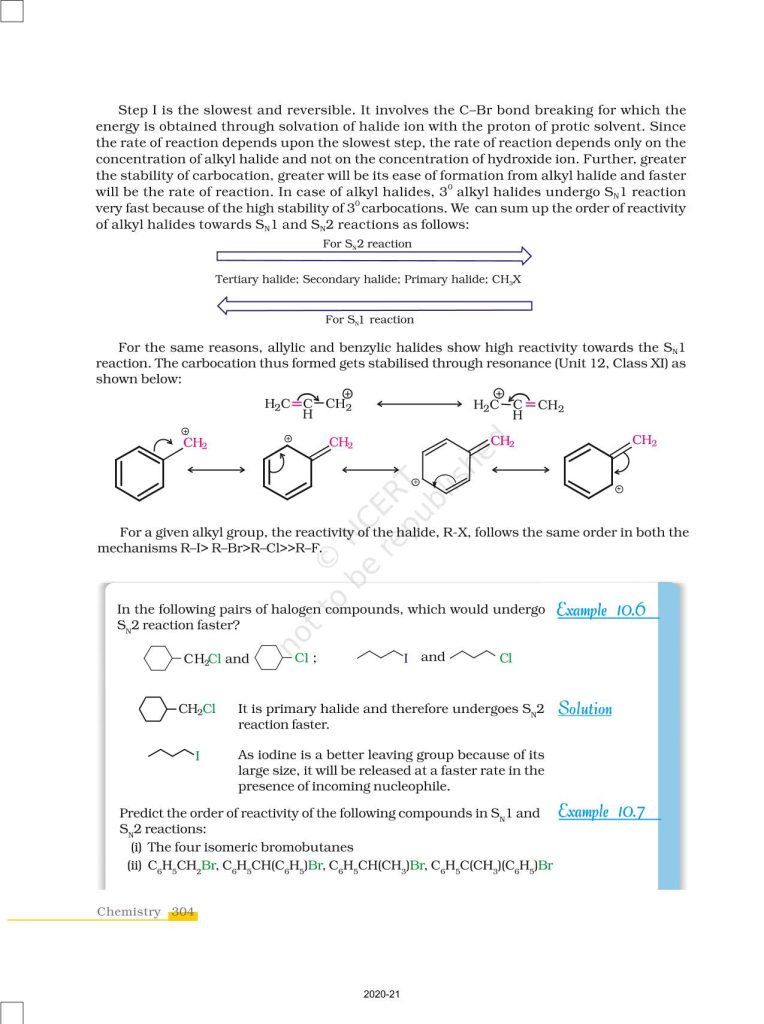
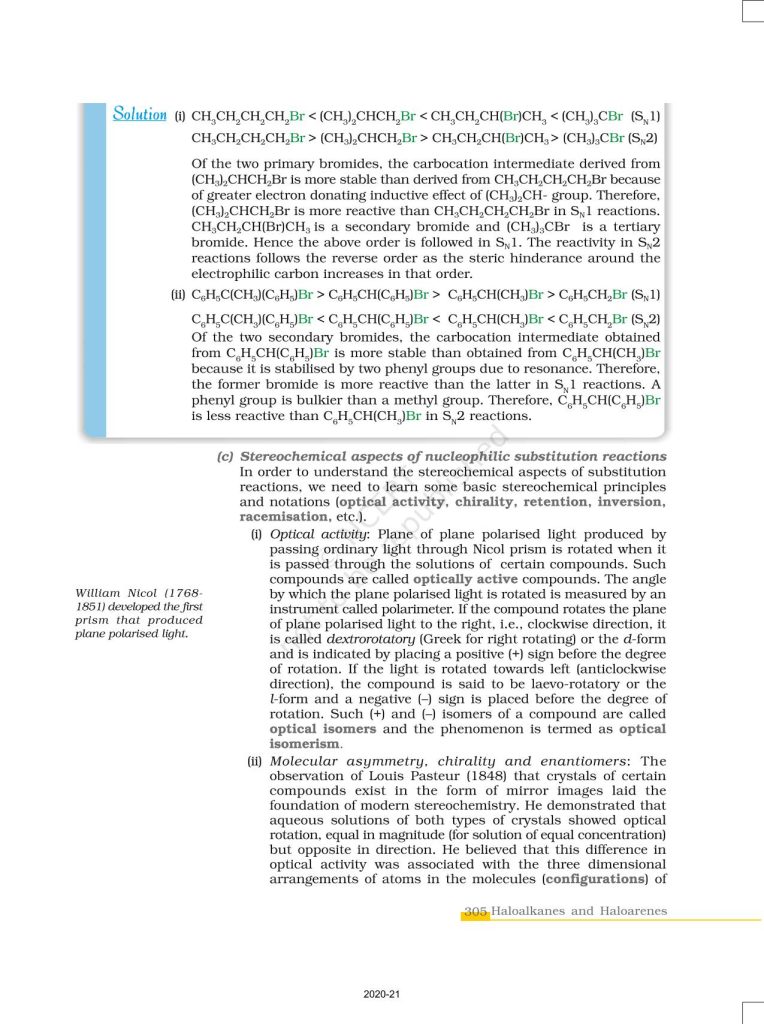
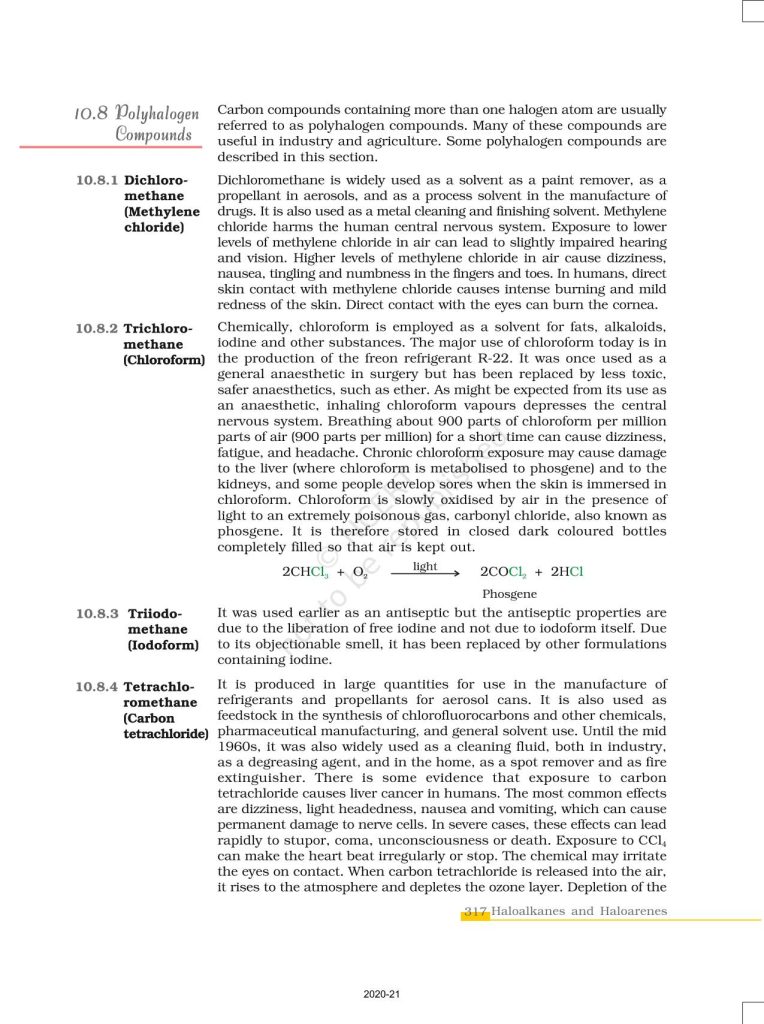
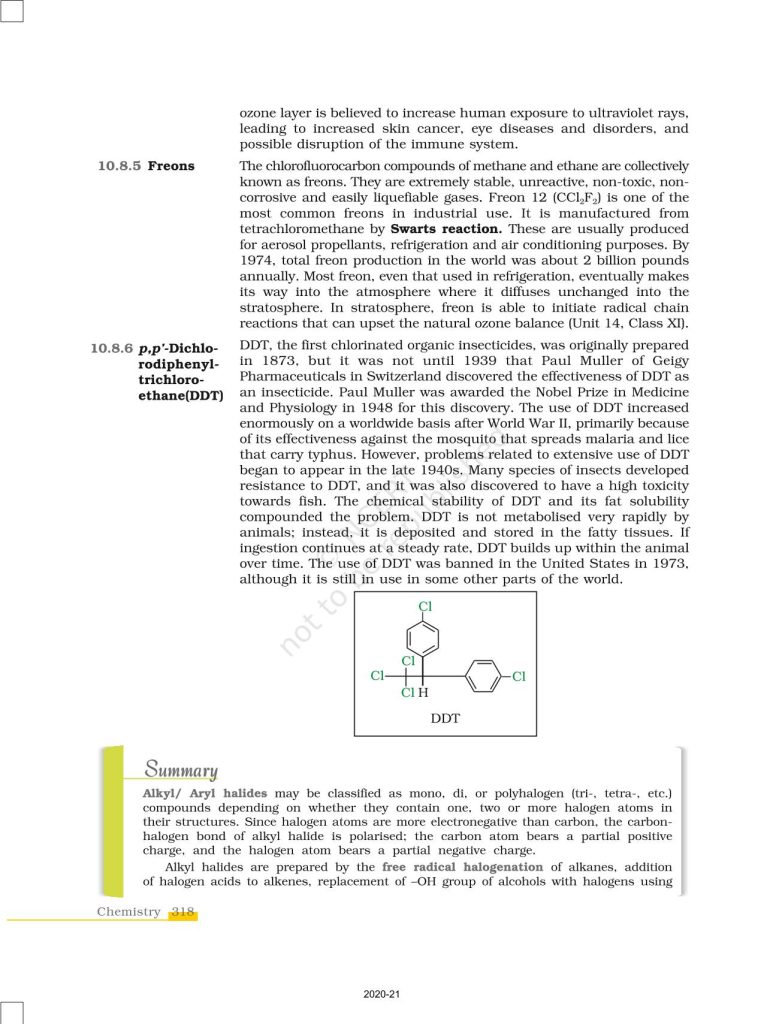
Students learn about reaction mechanisms such as SN1 and SN2 reactions, which explain how these compounds undergo chemical transformations. The chapter also highlights the uses and environmental effects of certain halogen compounds, such as pesticides and refrigerants. Understanding these reactions is important for studying organic chemistry and for Class 12 board exams and competitive exams like NEET and JEE.
Haloalkanes and Haloarenes NCERT
Student Doubts & Questions
Have a question about this chapter? Ask below and get help from tutors & peers.