



🌟 Introduction: The Mughal Empire in India and Its Legacy
The Mughal Empire in India was one of the most powerful and influential dynasties in Indian history. It shaped the culture, architecture, administration, and economy of the Indian subcontinent. But how did it all begin? Who were its greatest rulers? And what led to its downfall?
If you’re preparing for NEET or just a history enthusiast, this article will help you understand the Mughal Empire’s rise, golden era, and decline in a simple and engaging way! 🏰📜
📌 Key Highlights
- The Mughal Empire in India was founded in 1526 by Babur.
- It reached its peak under Akbar, Jahangir, Shah Jahan, and Aurangzeb.
- Mughal architecture gave India iconic structures like the Taj Mahal.
- The empire declined due to weak rulers, invasions, and British colonization.
- NEET aspirants should focus on administrative reforms, cultural contributions, and reasons for decline.
⚔️ The Foundation of the Mughal Empire in India

The Mughal Empire began when Babur, a descendant of Genghis Khan and Tamerlane, defeated Ibrahim Lodi in the First Battle of Panipat (1526). With his superior military tactics and use of artillery, he established Mughal rule in India.
However, Babur’s reign was short-lived. His son, Humayun, struggled to hold the empire together and even lost it briefly to Sher Shah Suri, a brilliant Afghan ruler. Humayun later reclaimed the throne but died soon after, paving the way for his 13-year-old son, Akbar, to take over. And this is where things got really interesting! 🔥
👑 The Great Mughal Rulers and Their Achievements

🏆 Akbar the Great (1556-1605) – The Empire Builder
Arguably the greatest Mughal ruler, Akbar expanded the empire across most of India. But his real genius? His administrative reforms and religious tolerance.
✅ Introduced Din-i-Ilahi, a new religion combining elements of Hinduism and Islam.
✅ Abolished Jizya tax on non-Muslims, promoting harmony.
✅ Established the Mansabdari system (ranking officials based on merit, not birth).
✅ Encouraged art, music, and literature, making his court a hub of culture. 🎨🎶
🌿 Jahangir (1605-1627) – The Patron of Arts

Akbar’s son, Jahangir, was more interested in art and wine than warfare. His biggest contributions?
✅ Encouraged Persian-style paintings.
✅ Built Shalimar Bagh in Kashmir.
✅ Strengthened trade with European merchants.
But his reign also saw increasing interference from Nur Jahan, his powerful wife. 🤔
🏰 Shah Jahan (1628-1658) – The Architect King
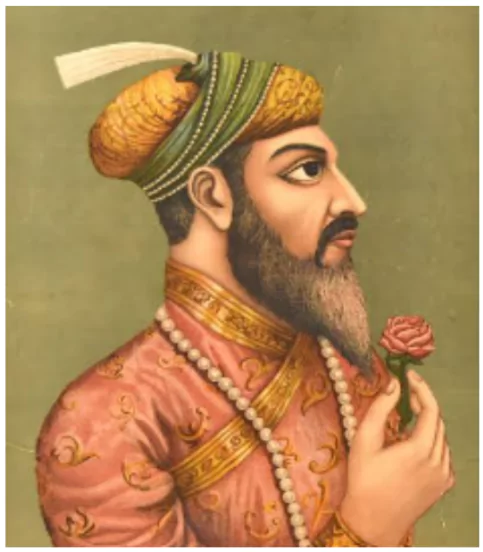
Shah Jahan took the empire to its architectural peak. His biggest legacy? The Taj Mahal, built in memory of his wife, Mumtaz Mahal. 💔
✅ Constructed Red Fort, Jama Masjid, and Shah Jahanabad (now Old Delhi).
✅ Expanded trade and wealth, making the empire one of the richest in the world.
✅ Loved luxury, which unfortunately drained the treasury.
⚔️ Aurangzeb (1658-1707) – The Last Great Mughal
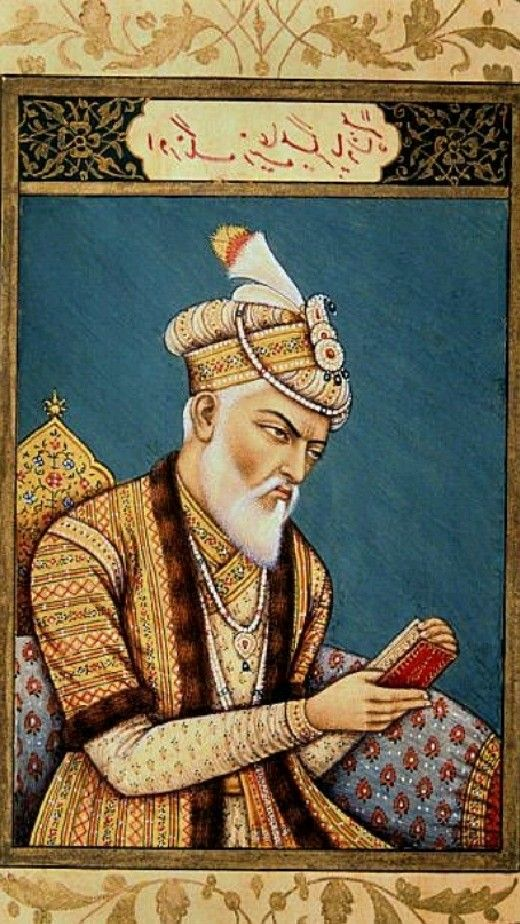
Aurangzeb was a strict ruler, known for his expansionist policies and religious orthodoxy. He spent most of his reign fighting rebellions.
✅ Expanded the empire to its largest size.
✅ Reintroduced Jizya tax, which angered non-Muslims.
✅ Faced revolts from Sikhs, Marathas, and Rajputs, weakening the empire.
By the time he died, the Mughal Empire was crumbling. 💥
📉 The Decline of the Mughal Empire in India

After Aurangzeb, the empire began to collapse due to several reasons:
❌ Weak Successors – Later Mughals were incompetent and indulged in luxury.
❌ Revolts – Marathas, Sikhs, and Rajputs challenged Mughal authority.
❌ Invasions – Nadir Shah (1739) and Ahmad Shah Abdali (1761) looted Delhi.
❌ British Interference – The British East India Company took advantage of the chaos.
The final blow came in 1857, during the First War of Indian Independence. The British exiled the last Mughal emperor, Bahadur Shah II, marking the official end of the Mughal Empire in India. 🚢
🏛️ Mughal Contributions to India
Even though the empire declined, its influence remains.
🌟 Architectural Wonders
- Taj Mahal (Shah Jahan)
- Red Fort (Shah Jahan)
- Fatehpur Sikri (Akbar)
📜 Administrative Reforms
- Mansabdari system (Akbar)
- Land revenue system (Todar Mal under Akbar)
🎨 Art & Culture
- Mughal miniature paintings 🎨
- Persian literature and poetry 📖
🏆 Why the Mughal Empire in India is Important for NEET Aspirants
Competitive exams like NEET often include history and general knowledge questions. Understanding the Mughal Empire in India helps with:
✔ Indian history and culture
✔ Understanding past governance models
✔ Connecting history with modern India
📝 Quick Revision (Test Yourself!)
1️⃣ Who was the founder of the Mughal Empire in India?
2️⃣ Which ruler built the Taj Mahal?
3️⃣ Name two reasons for the decline of the Mughal Empire.
(Answers: Babur, Shah Jahan, Weak rulers & British interference 🎉)
🎯 Final Thoughts
The Mughal Empire in India wasn’t just about kings and battles—it shaped the country’s culture, governance, and architecture. Whether you’re studying for NEET or just love history, understanding the Mughals gives you a deeper insight into India’s past.
💬 What fascinates you most about the Mughal Empire? Drop your thoughts in the comments! 👇👇👇
📚 Keep learning, keep exploring!