Chapter 5 – Surface Chemistry
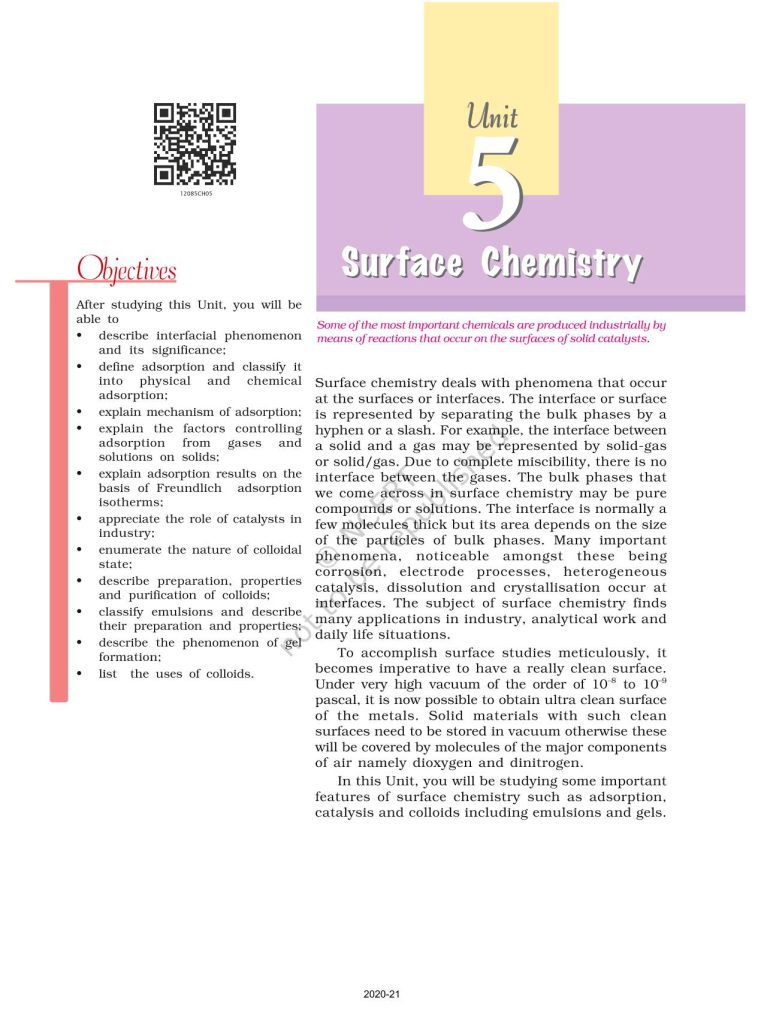
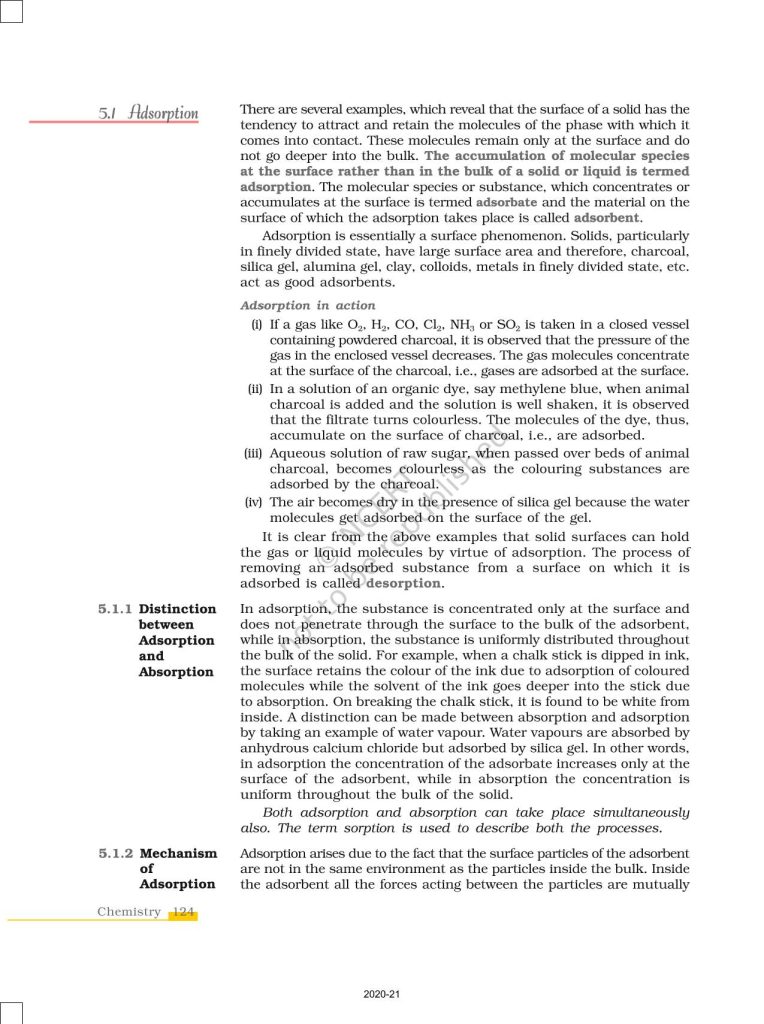
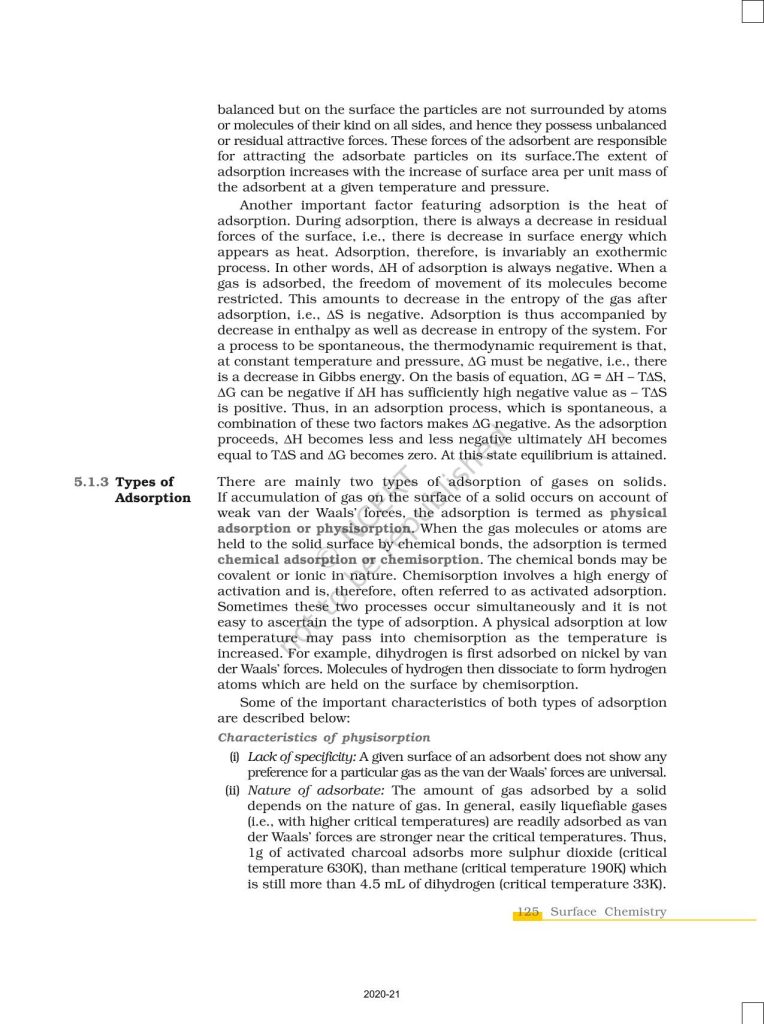
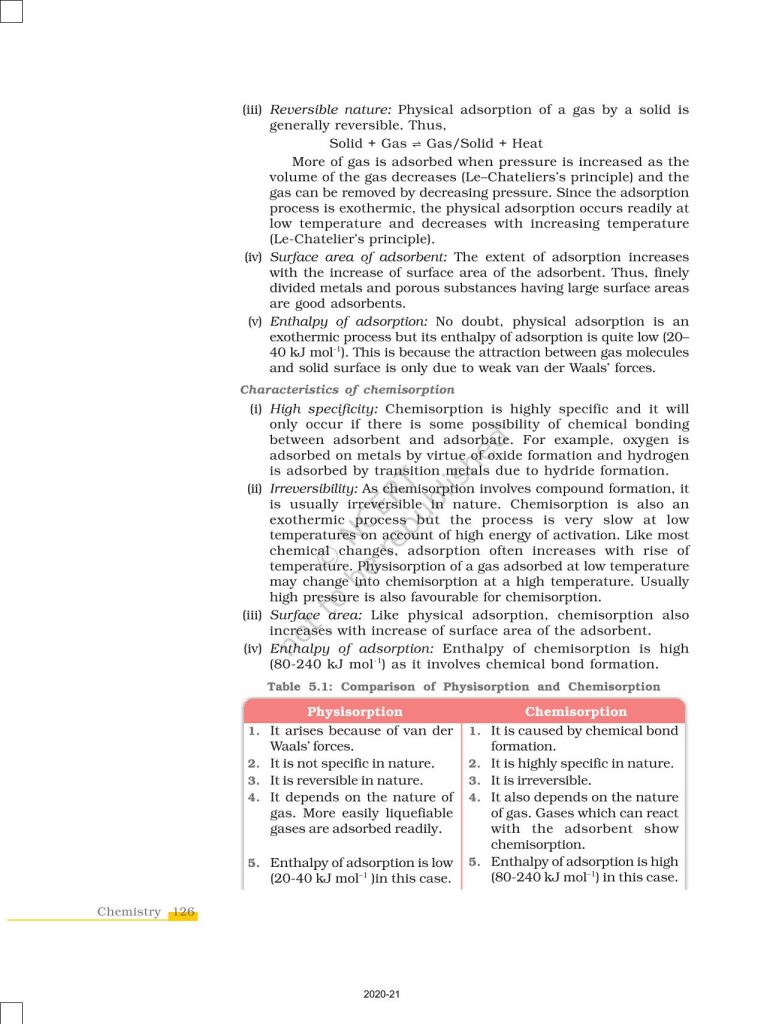
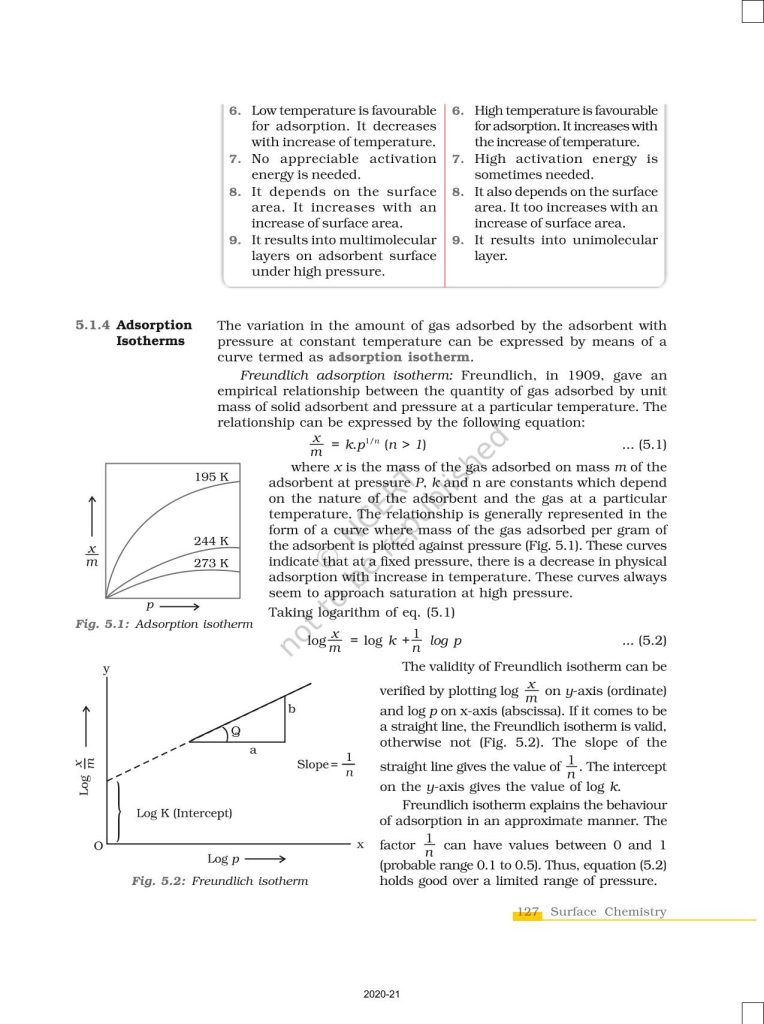
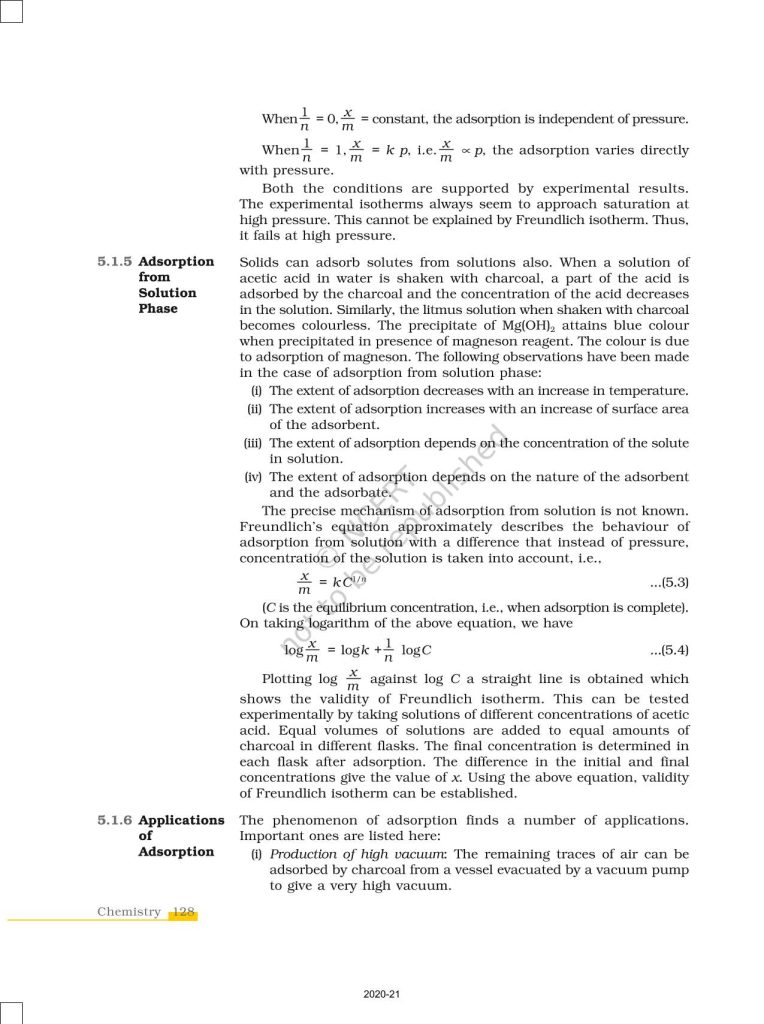
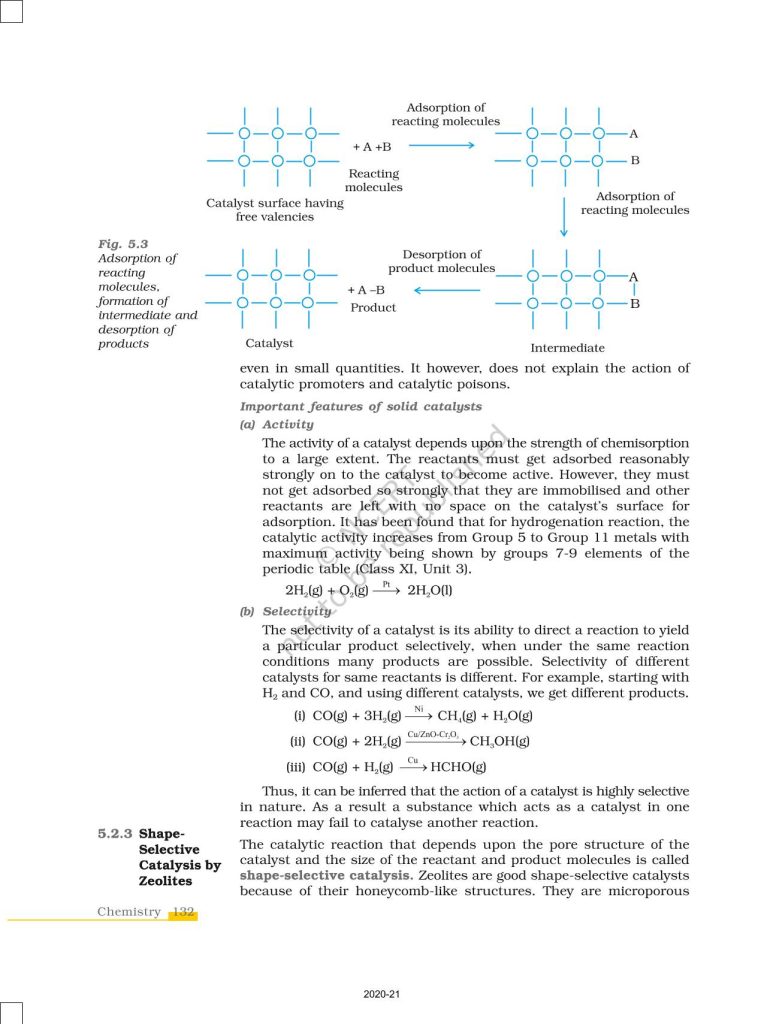
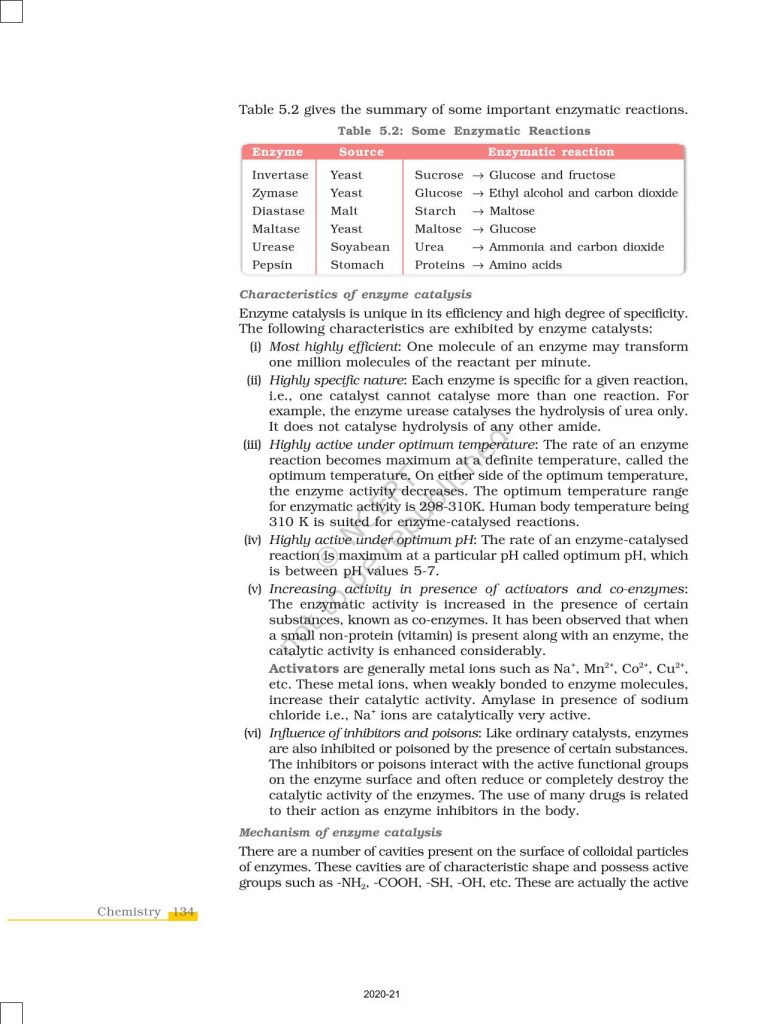
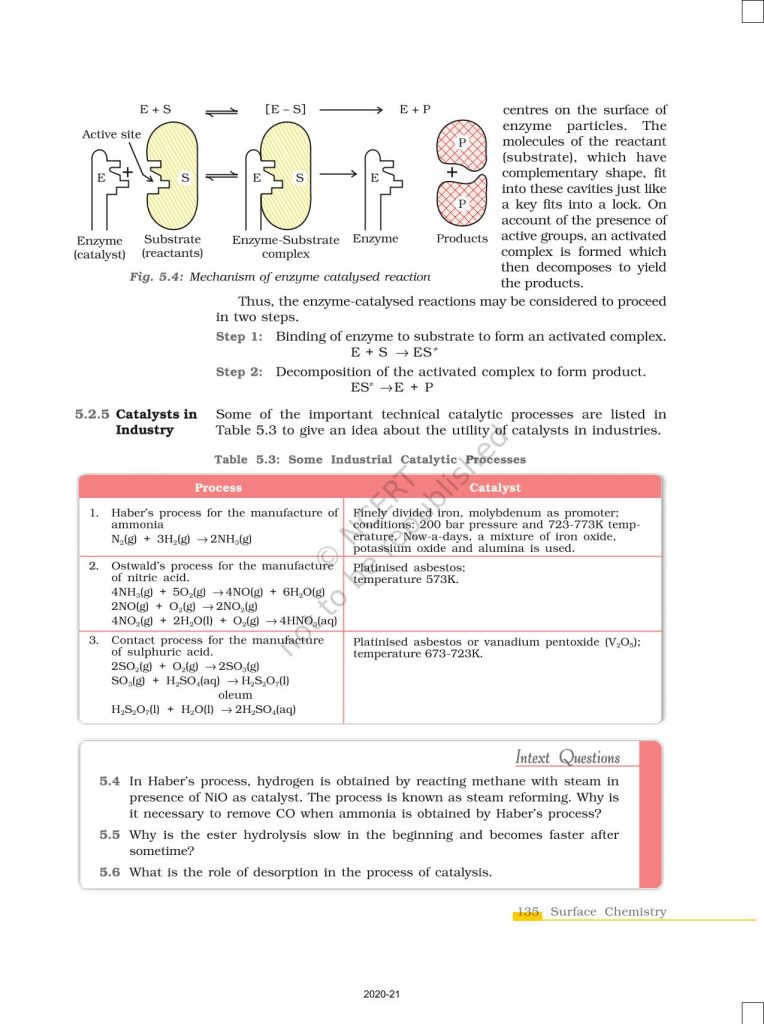
The chapter Surface Chemistry deals with chemical phenomena that occur at the surface or interface of substances. It explains important concepts such as adsorption and absorption, highlighting how molecules accumulate on the surface of solids or liquids. The chapter also discusses different types of adsorption processes and adsorption isotherms, which describe how gases interact with solid surfaces.
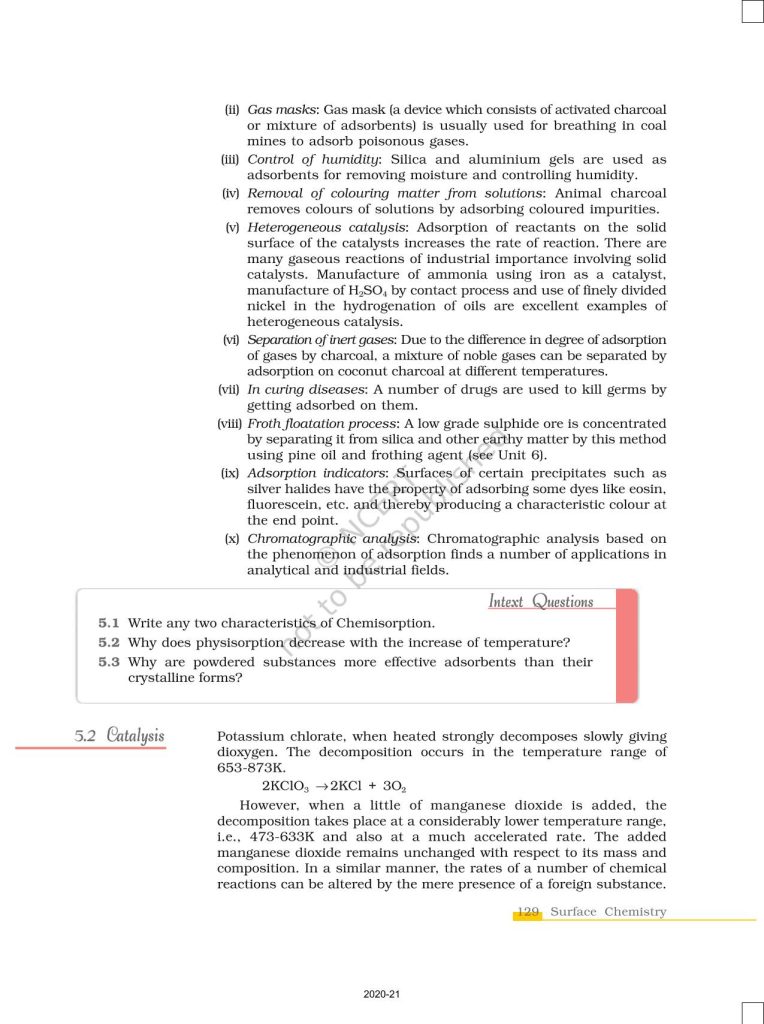
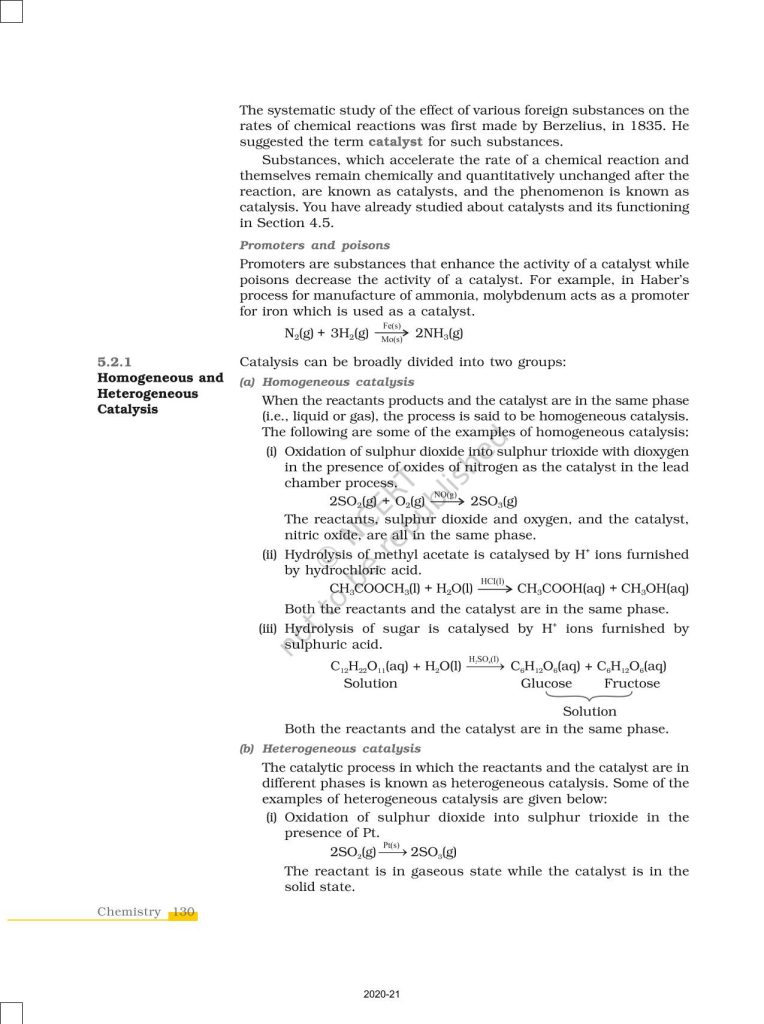
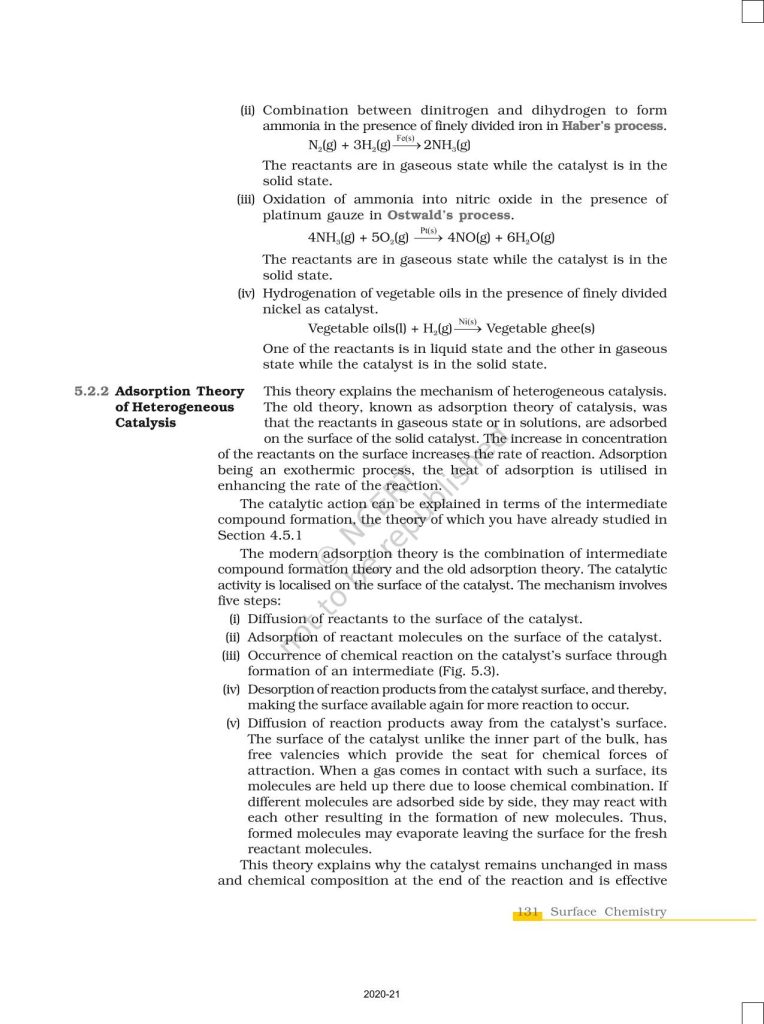
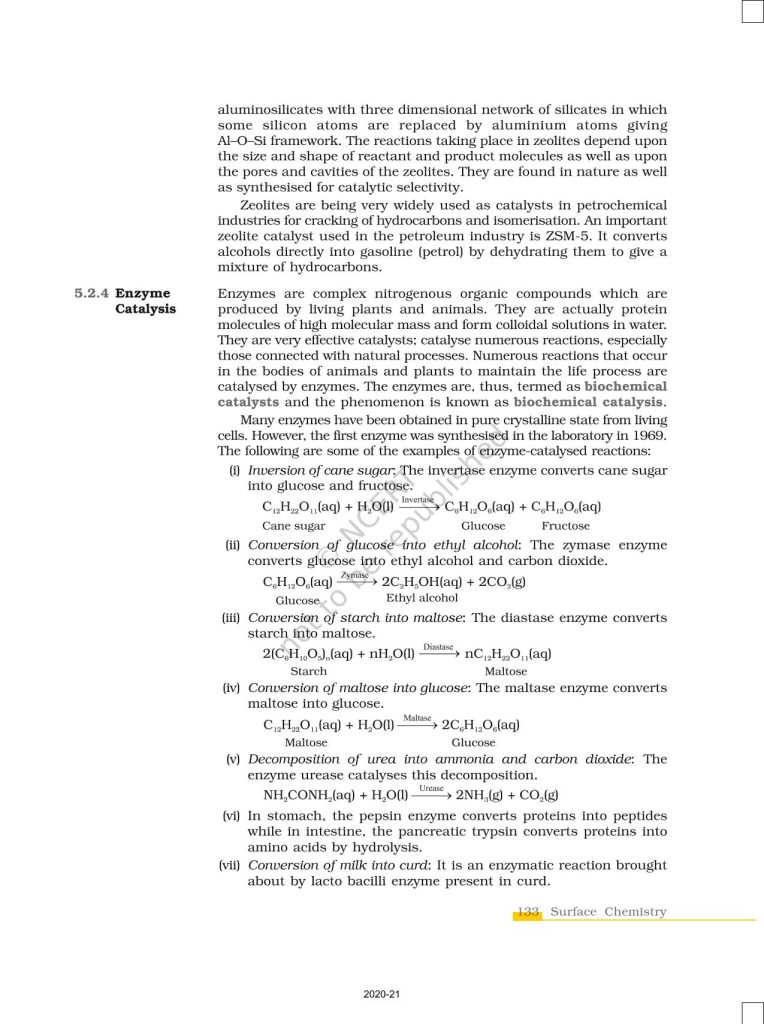
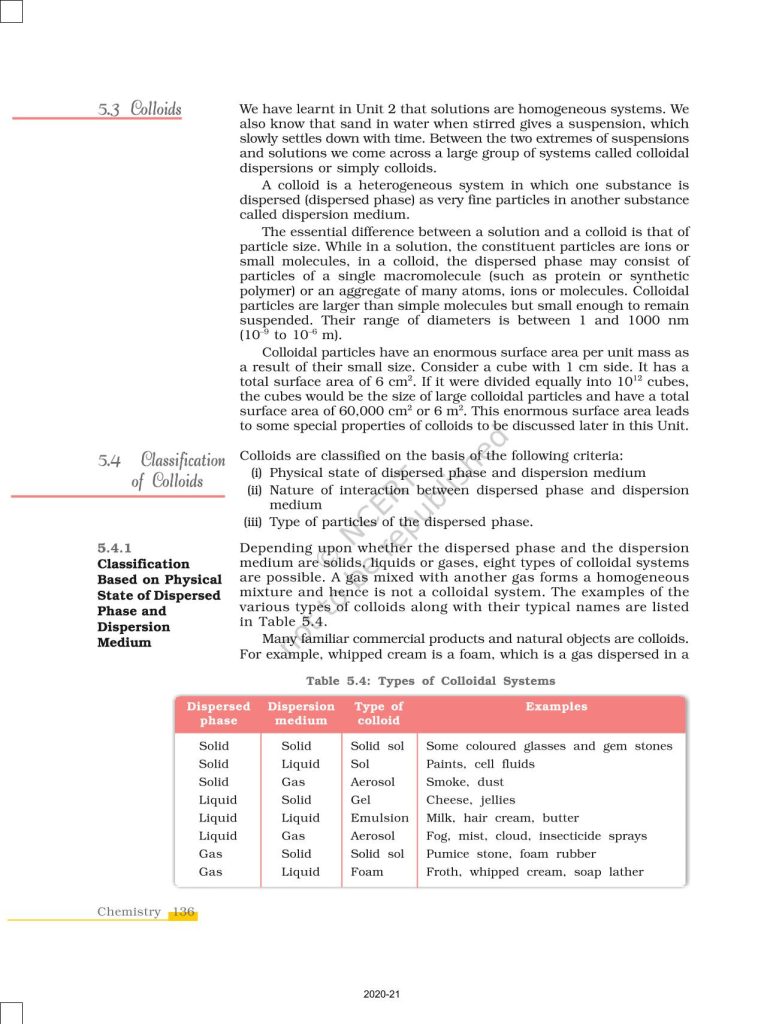
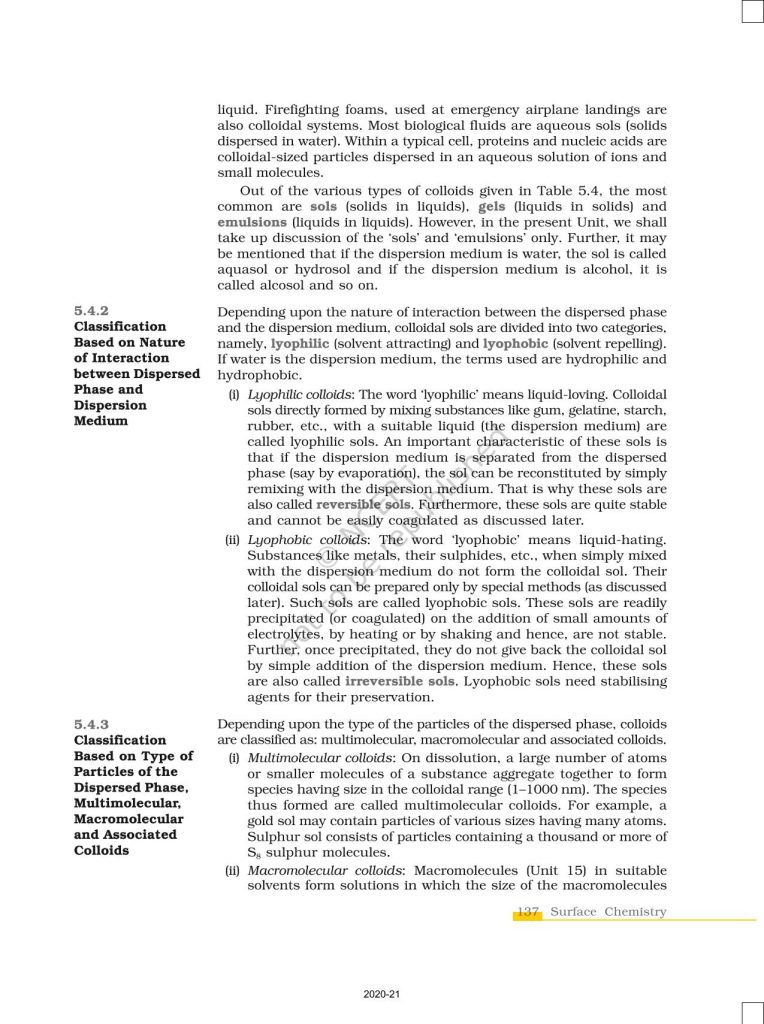
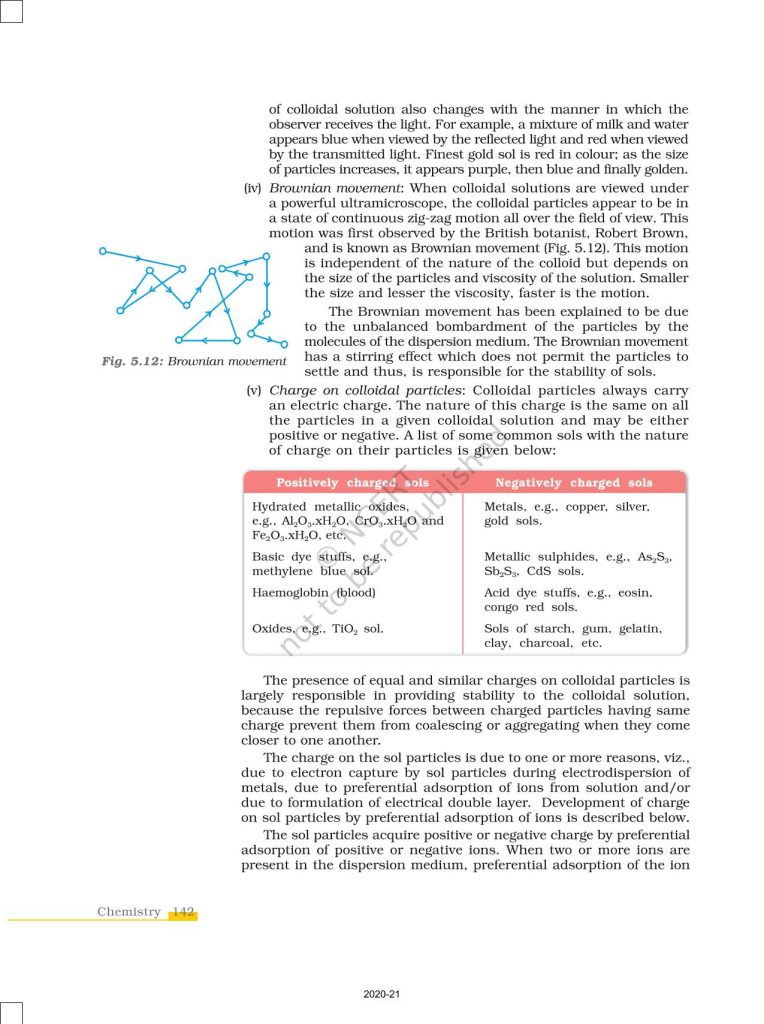
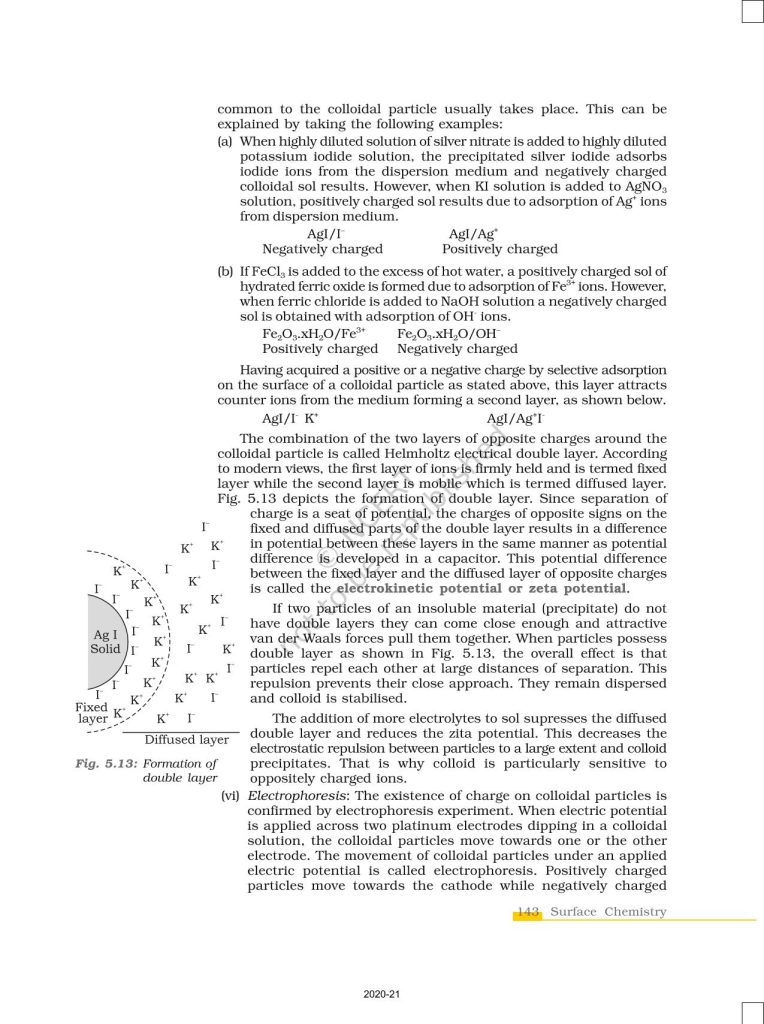
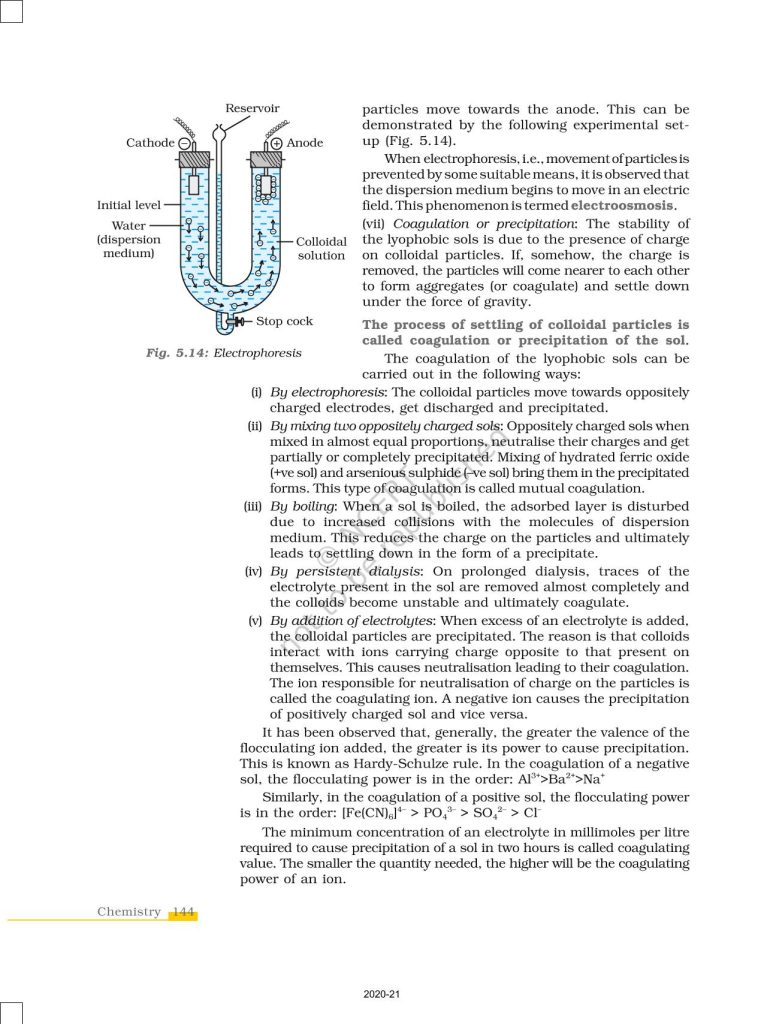
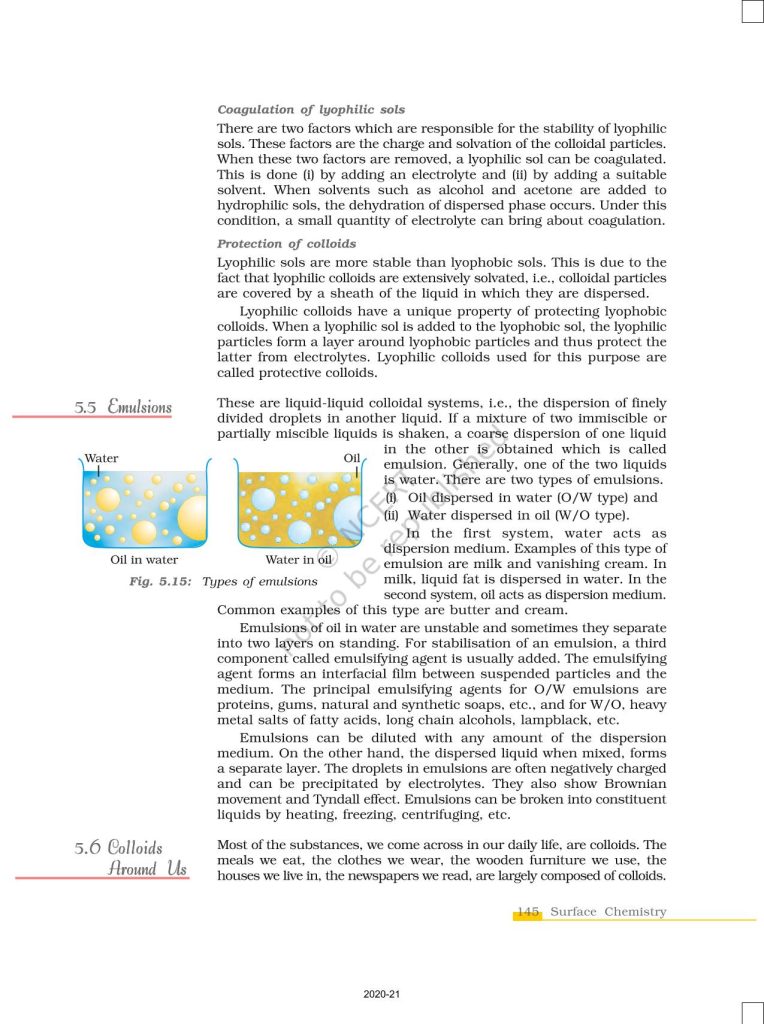
Another important topic covered is catalysis, where catalysts increase the rate of chemical reactions without being consumed. The chapter also introduces colloids, their properties, types, and methods of preparation and purification. Concepts such as the Tyndall effect, Brownian motion, and coagulation of colloids are also explained. Understanding surface chemistry is important in areas like industrial processes, medicines, environmental science, and nanotechnology. This chapter is highly important for Class 12 board exams and competitive exams like NEET and JEE.
Class 12 Surface Chemistry NCERT
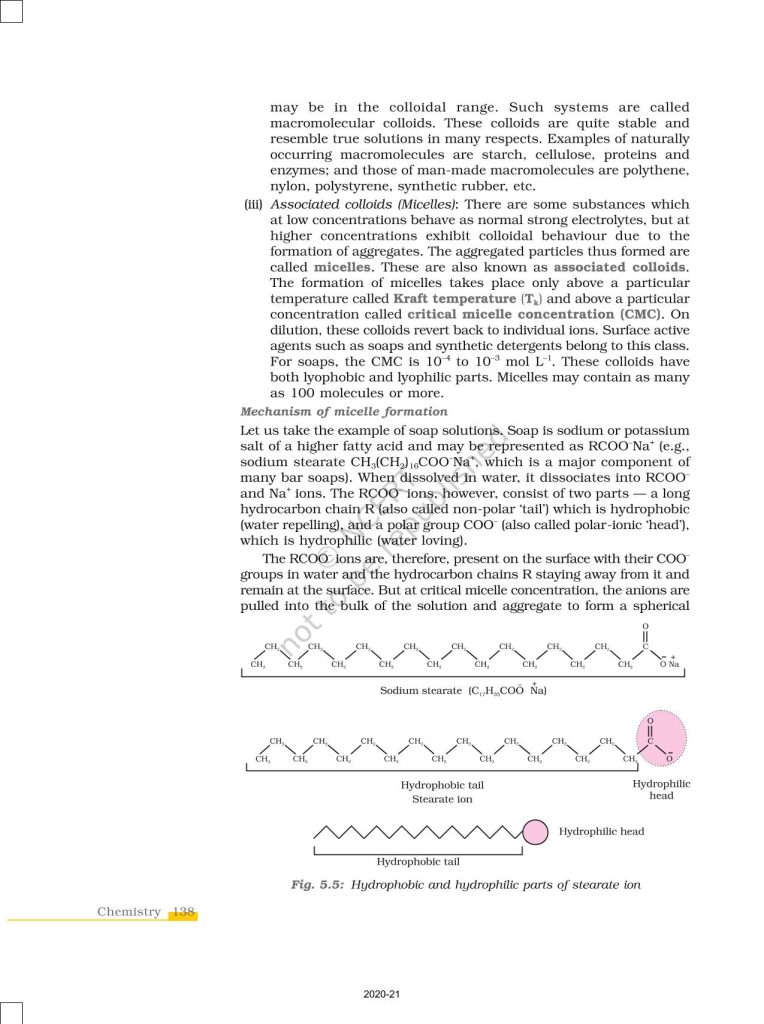
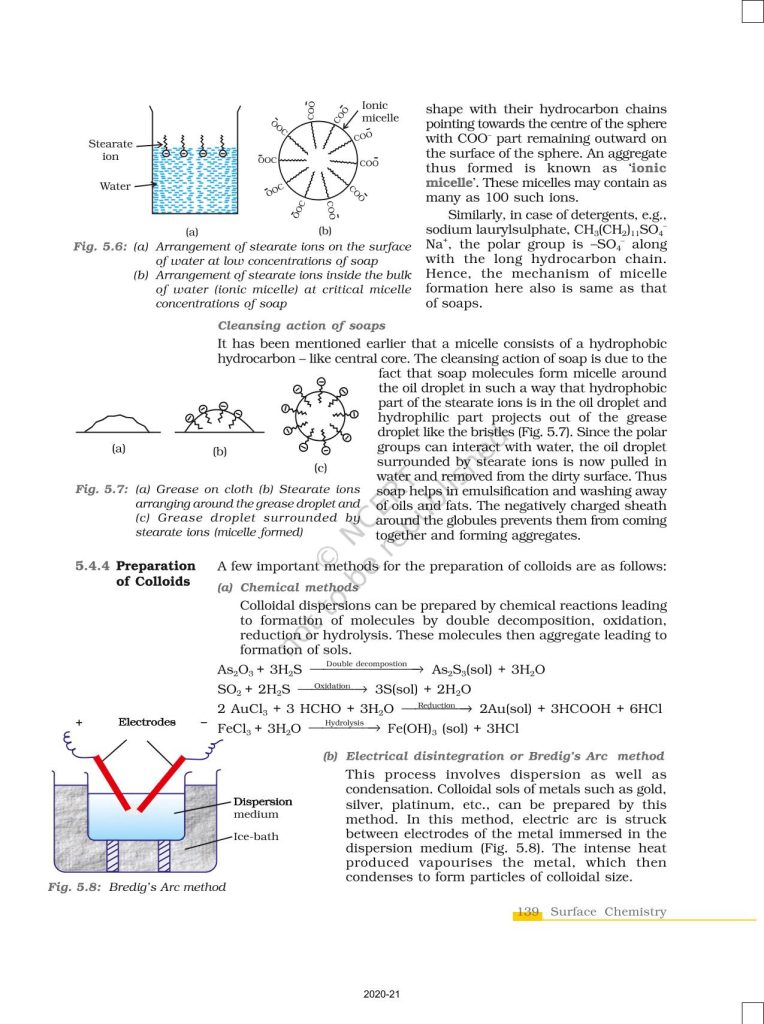
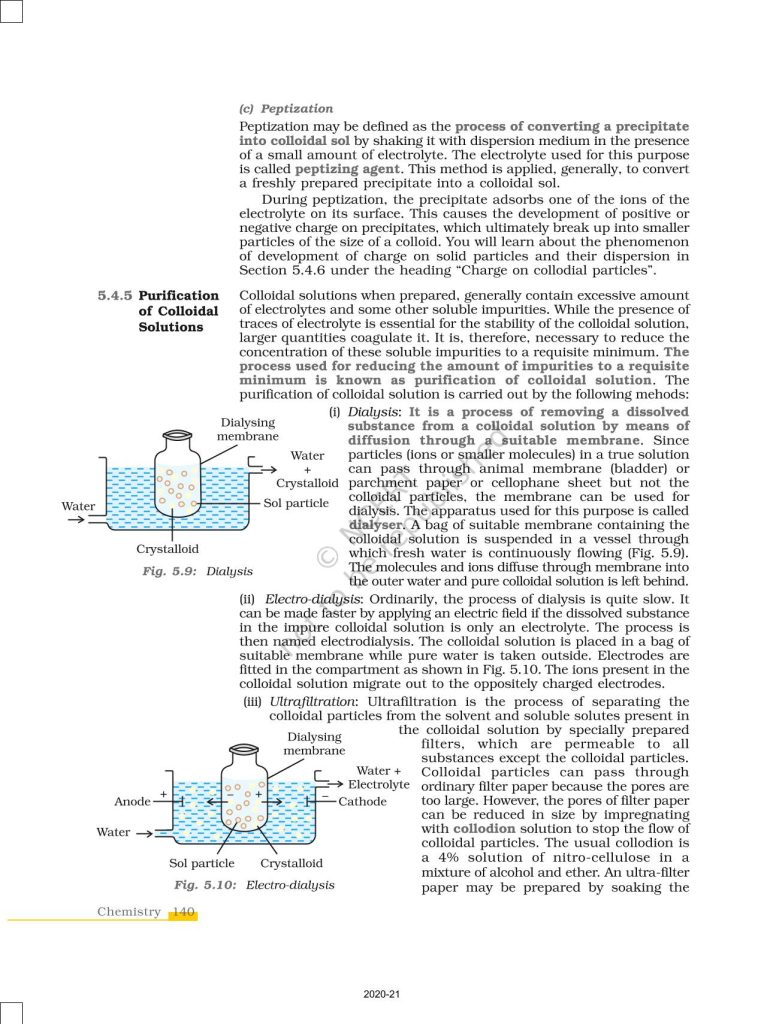
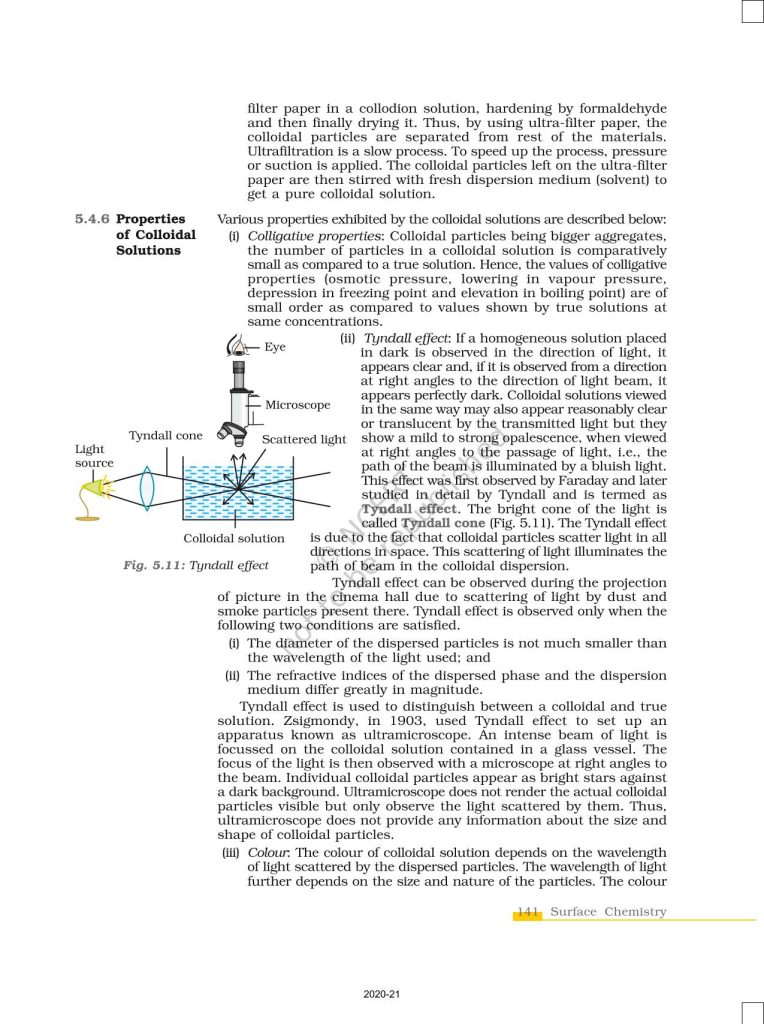
Student Doubts & Questions
Have a question about this chapter? Ask below and get help from tutors & peers.