Close Menu
FreeHubFreeHub
  • Home
  • English
  • Maths
  • Difference Between
  • NCERT BOOK
Facebook X (Twitter) Instagram
  • Home
  • English
  • Maths
  • Difference Between
  • NCERT BOOK
Facebook X (Twitter) Instagram Pinterest Vimeo
FreeHubFreeHub
  • Home
  • English
  • Maths
  • Difference Between
  • NCERT BOOK
subscribe
FreeHubFreeHub
Home»NCERT Book for Class 12 Chemistry Part 1 – (Chapter 6 – General Principles and Process of Isolation of Elements)

NCERT Book for Class 12 Chemistry Part 1 – (Chapter 6 – General Principles and Process of Isolation of Elements)

adminBy adminMarch 28, 2026No Comments1 Min Read
Share Facebook Twitter Pinterest LinkedIn Tumblr Reddit Telegram Email
General Principles and Process of Isolation of Elements ncert
Share
Facebook Twitter LinkedIn Pinterest Email

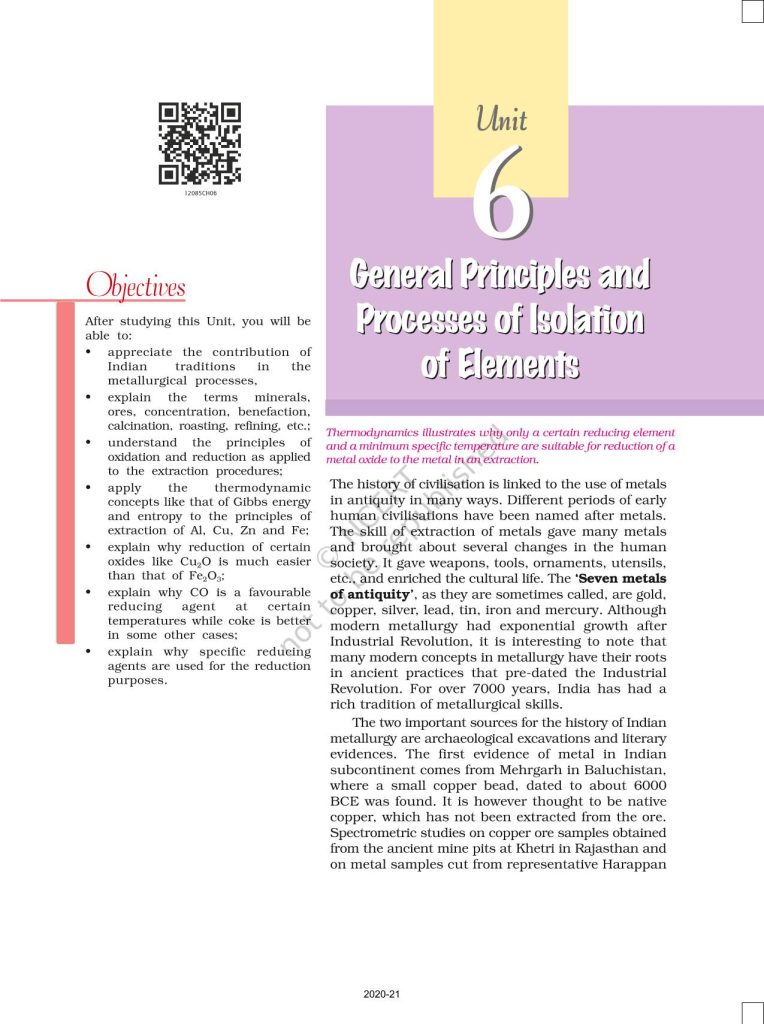
Chapter 6 – General Principles and Process of Isolation of Elements

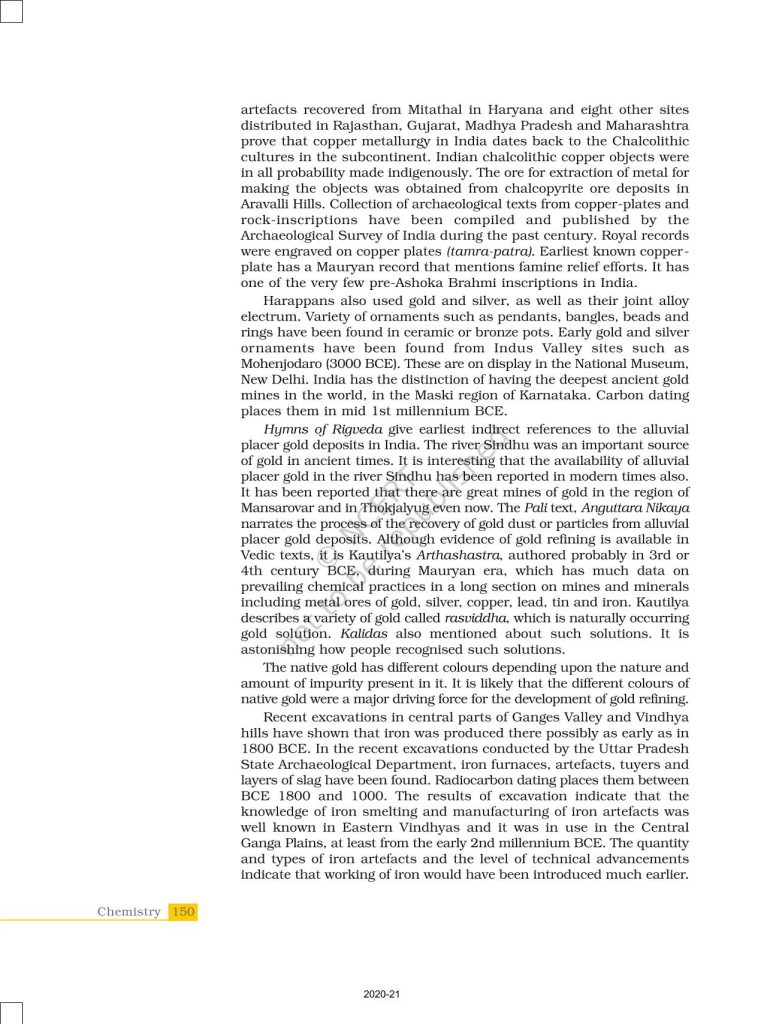
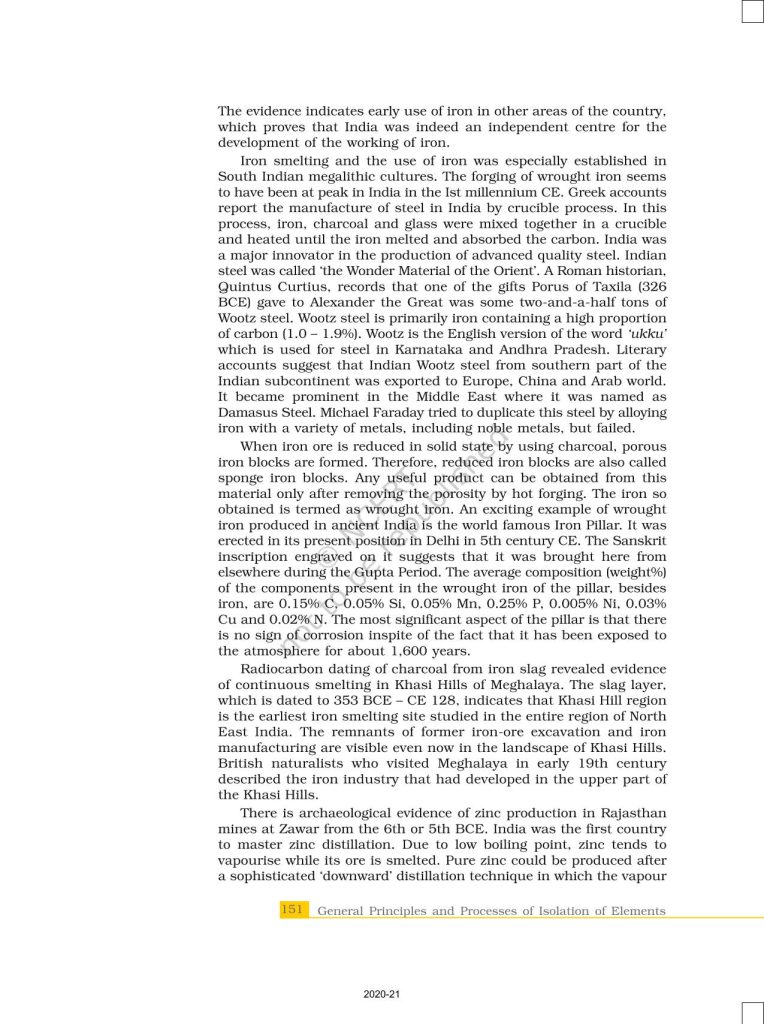
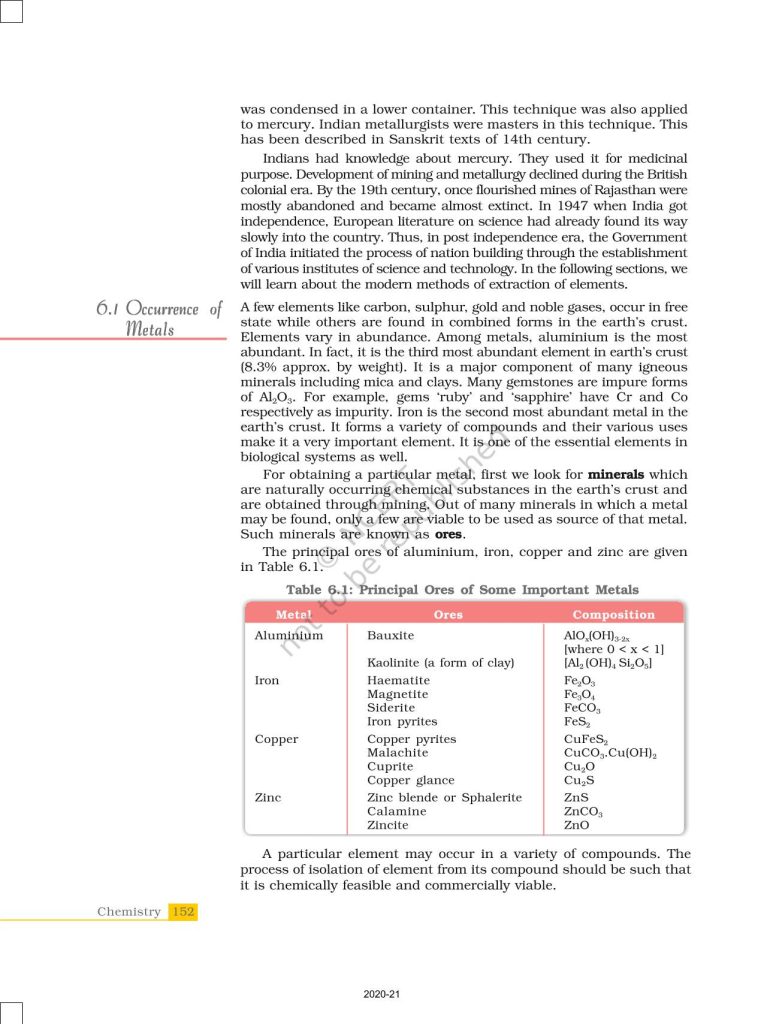
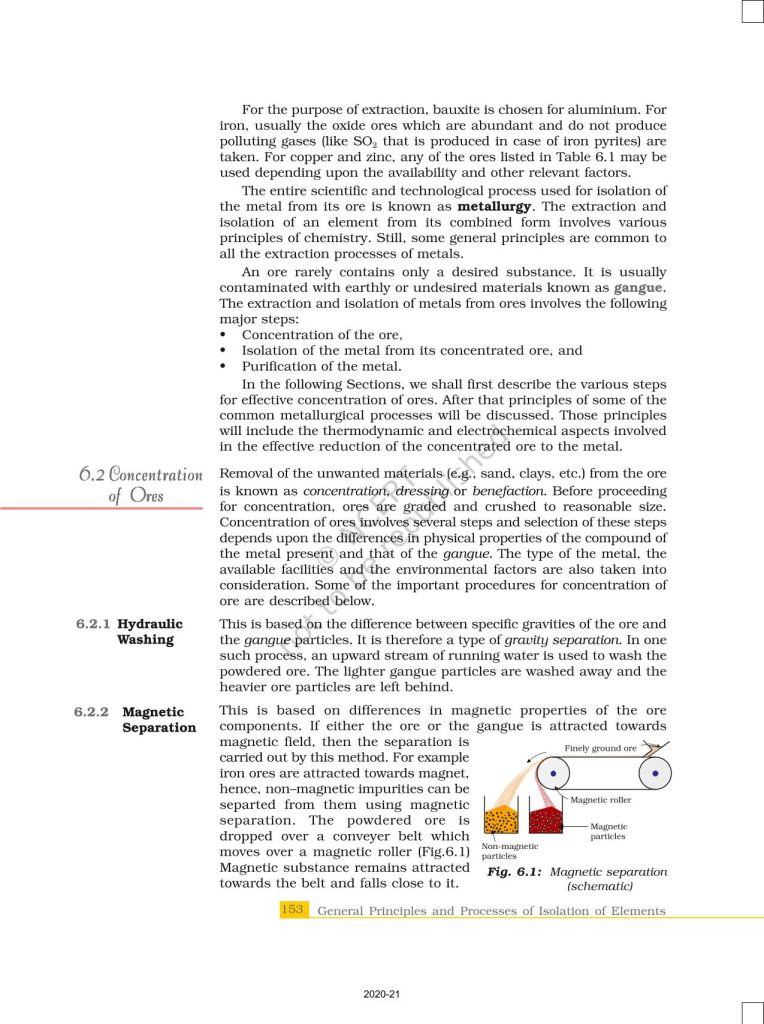
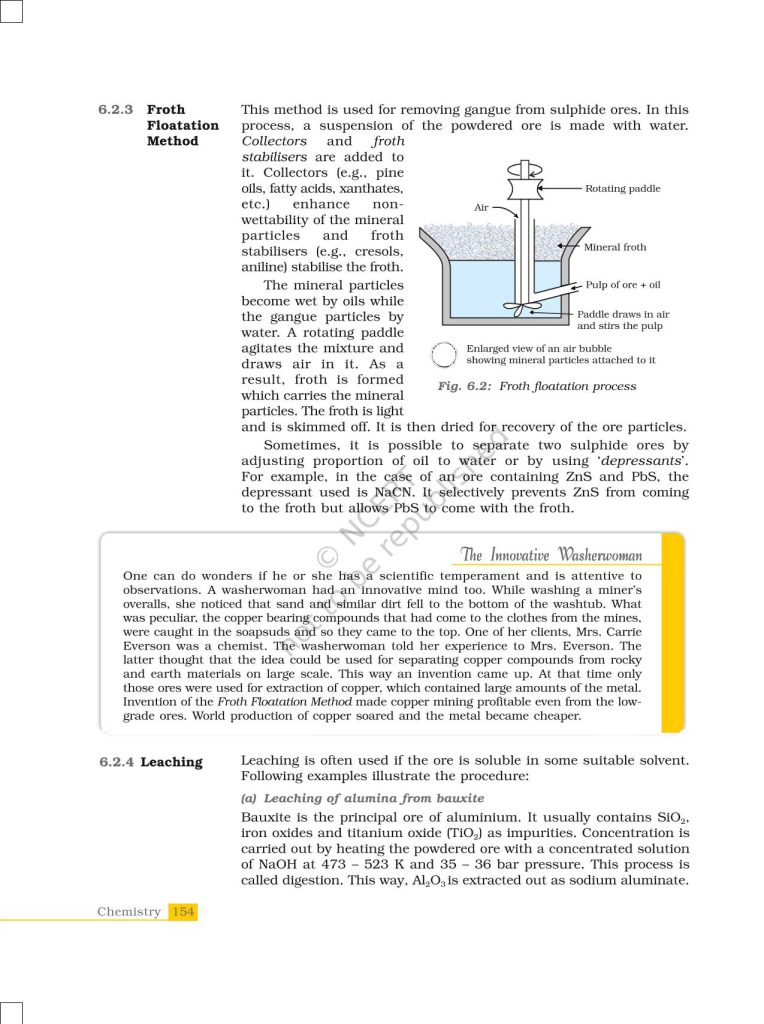
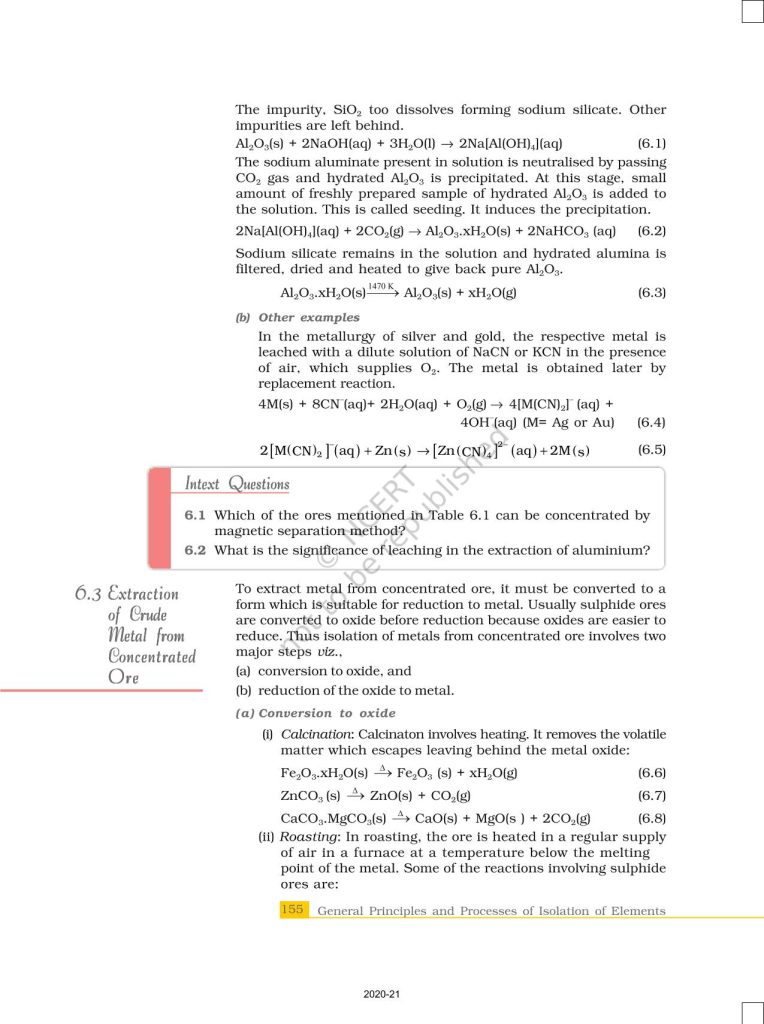
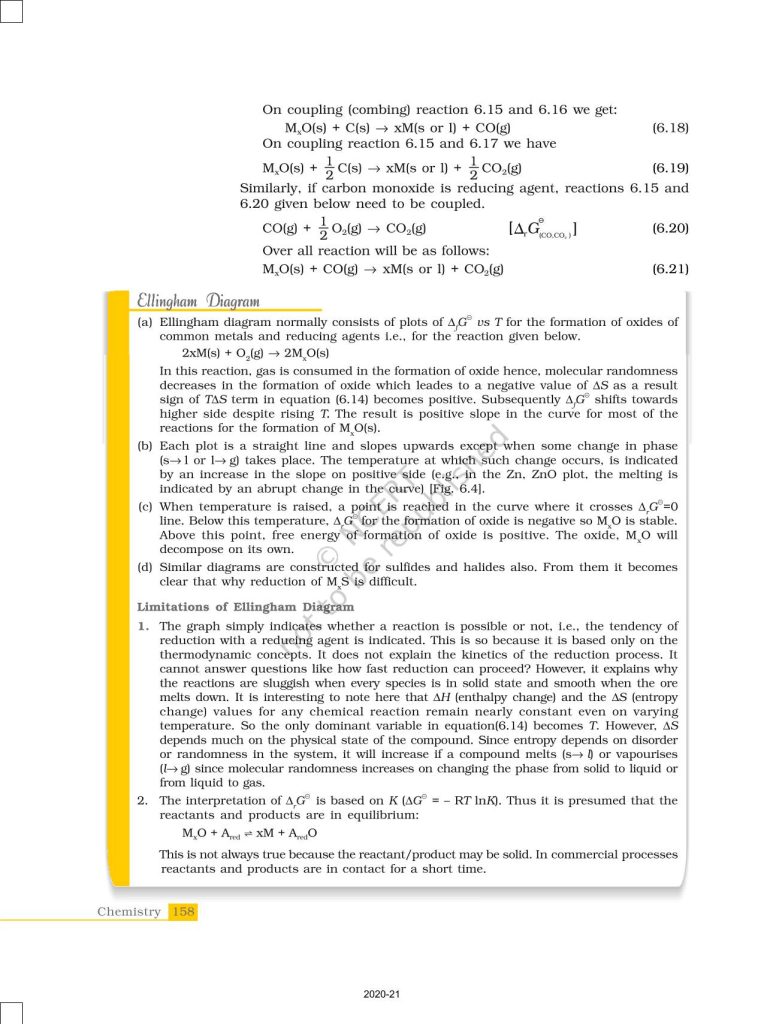
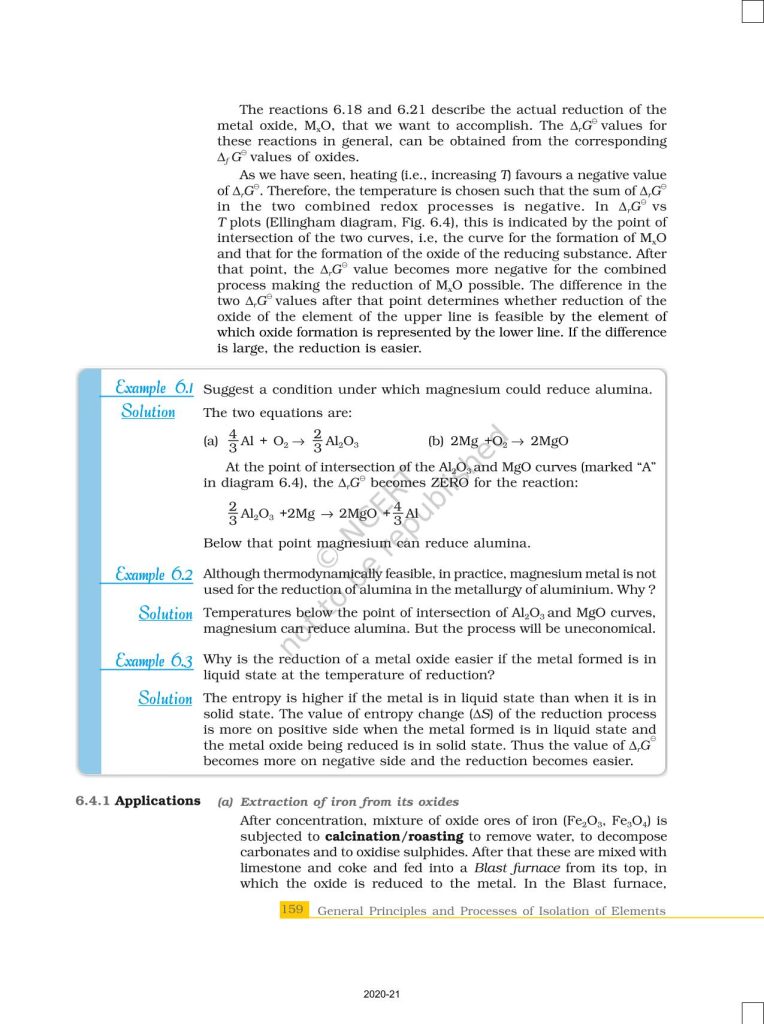
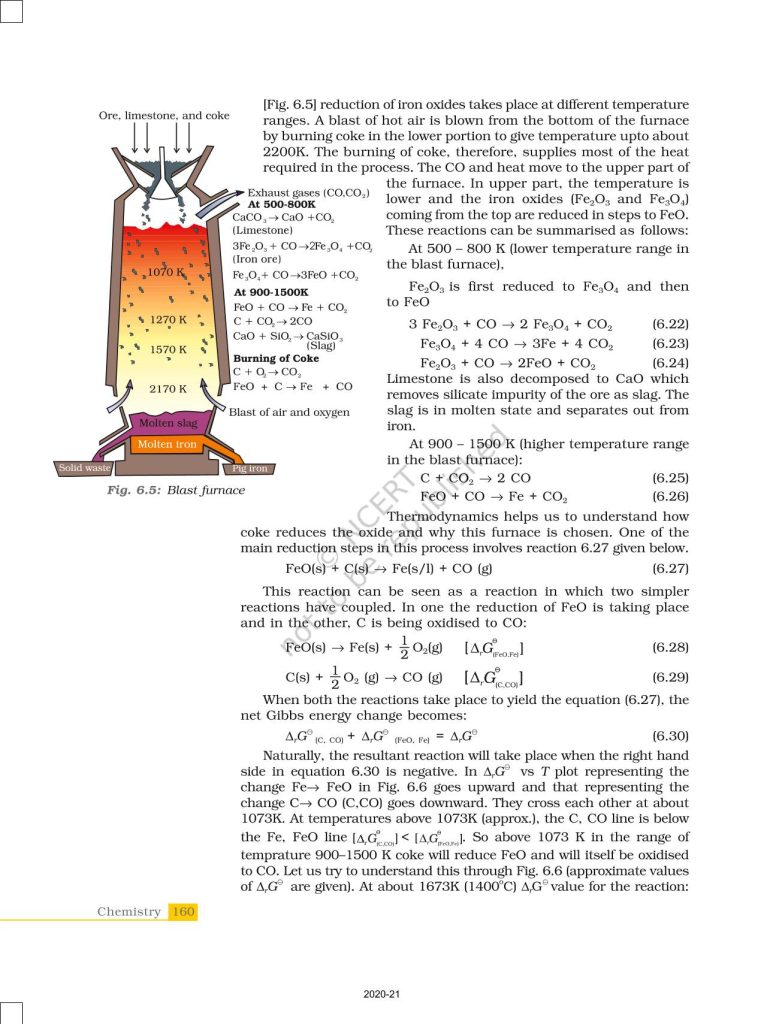
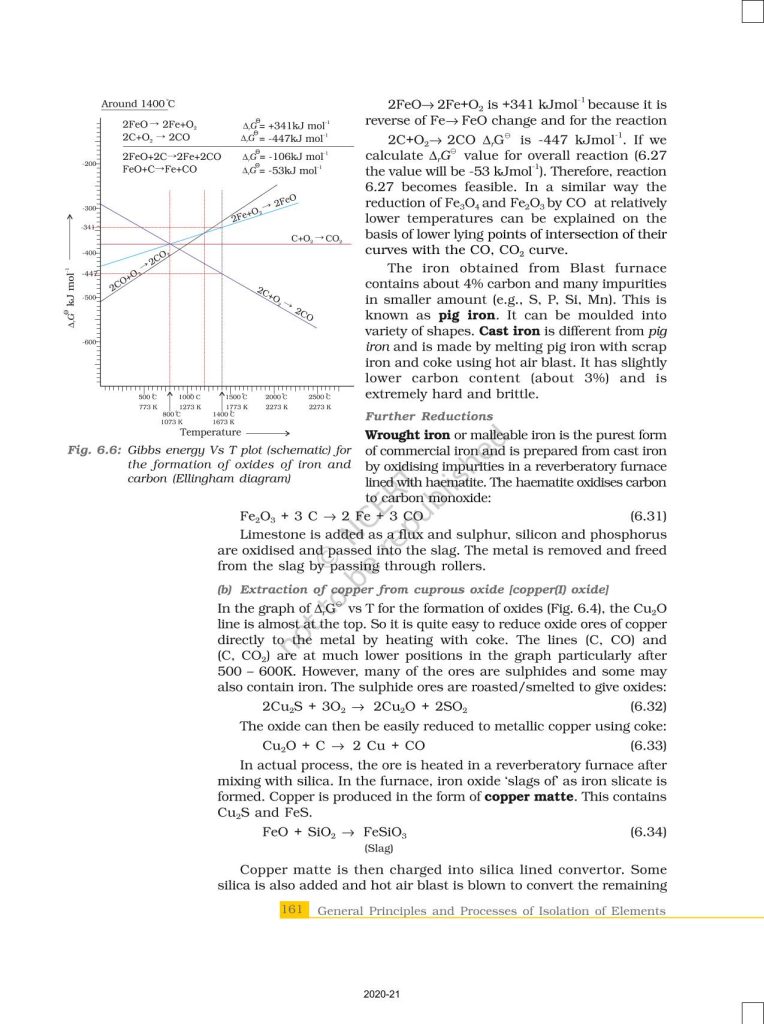
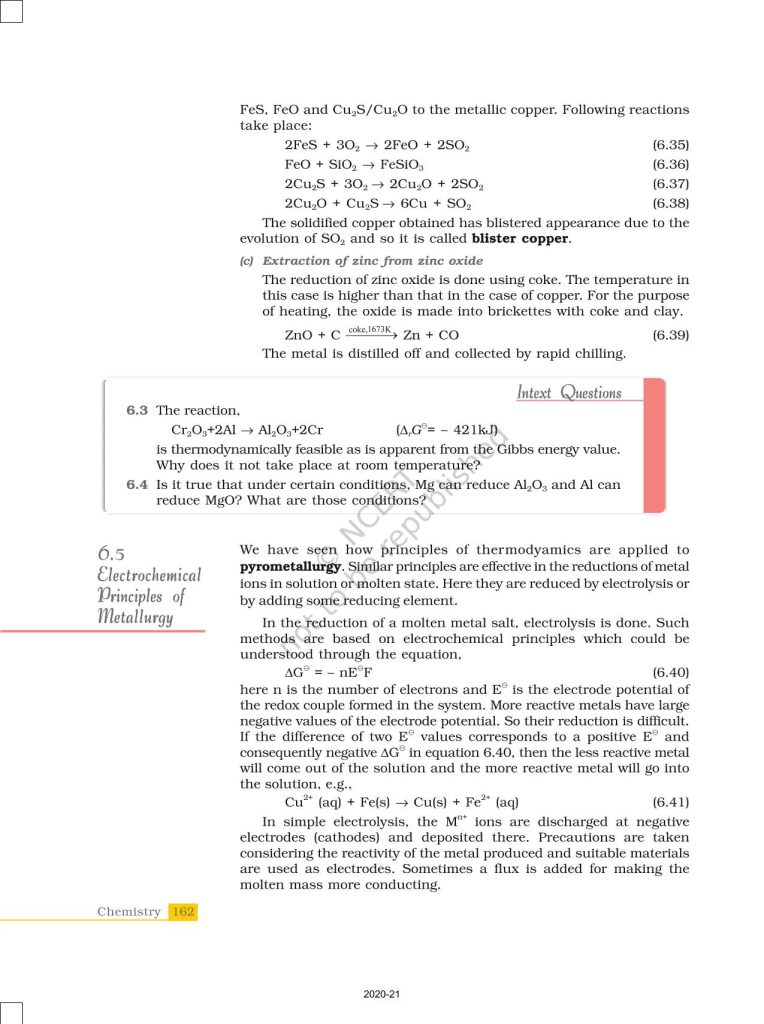
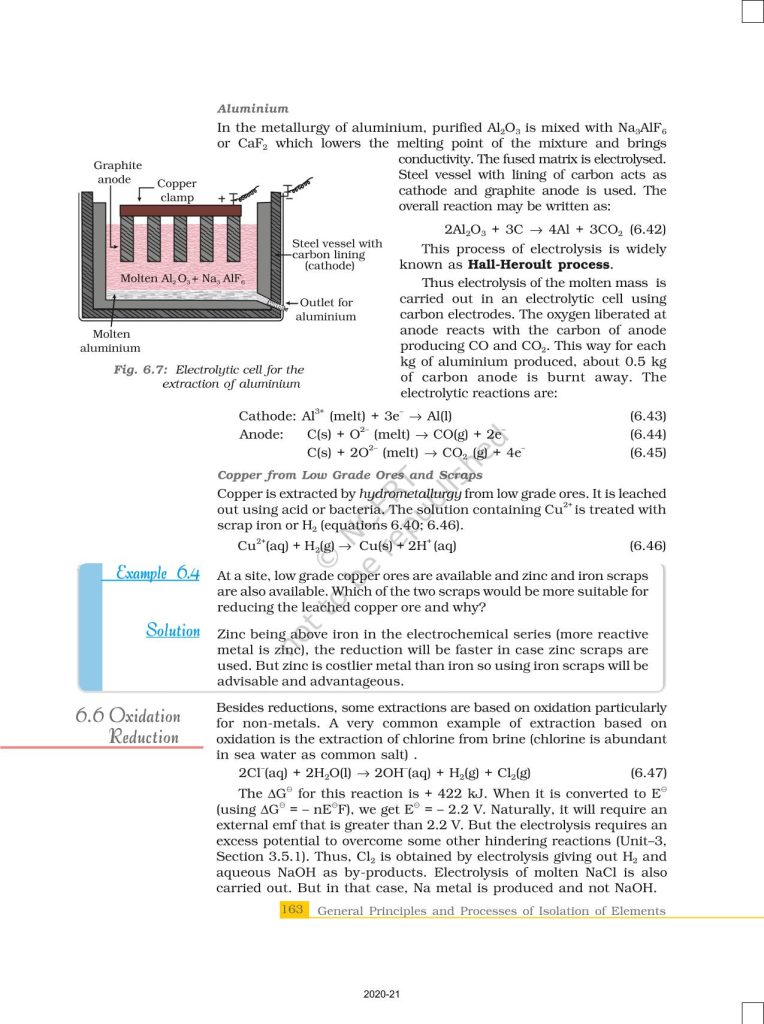
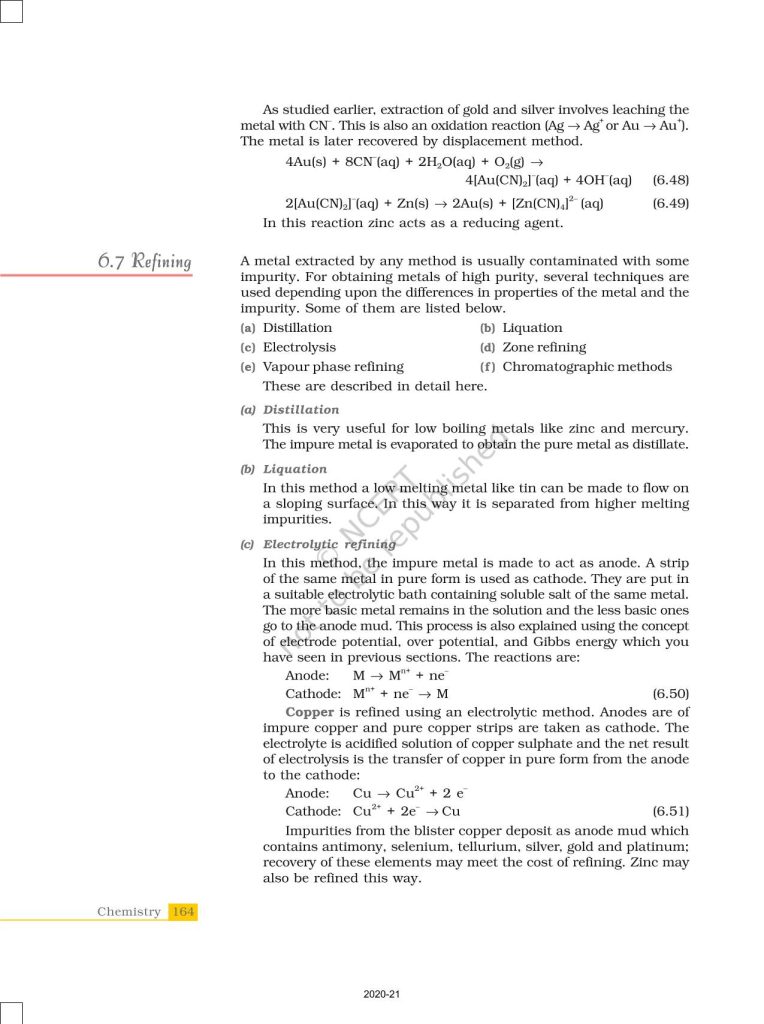
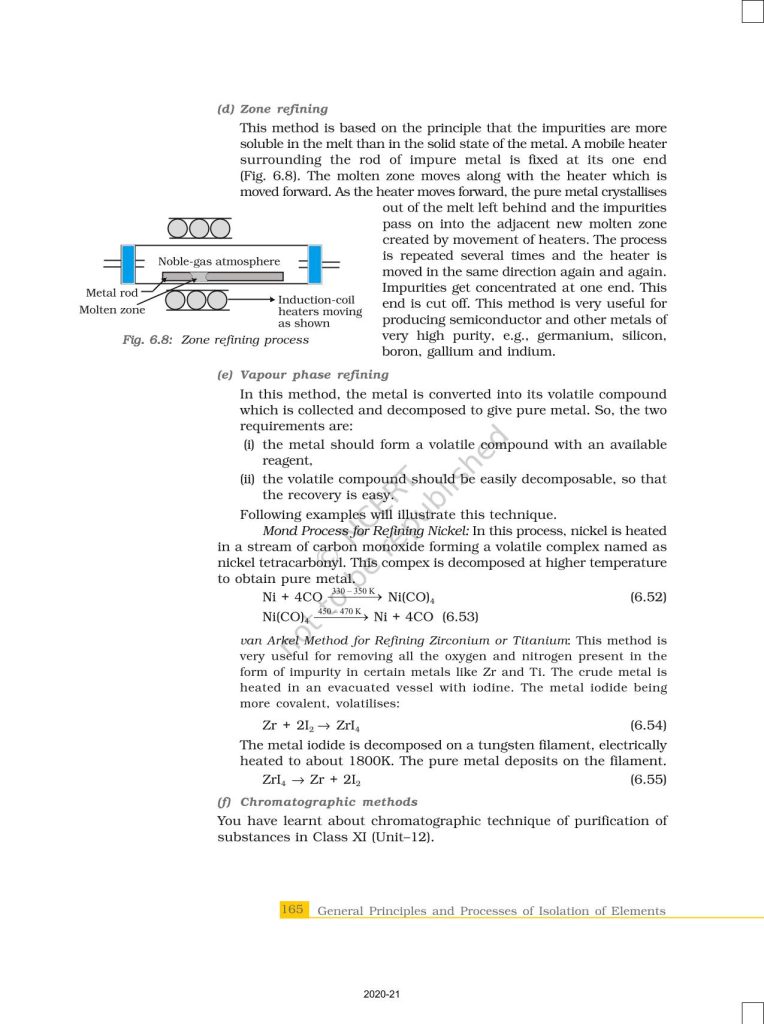
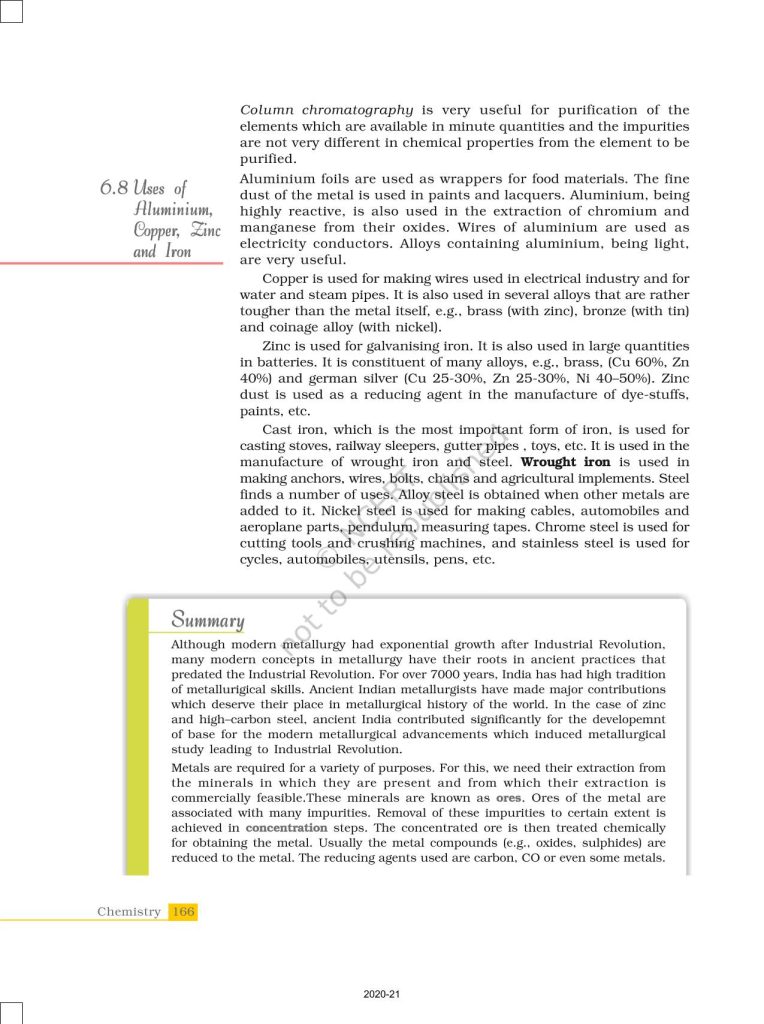
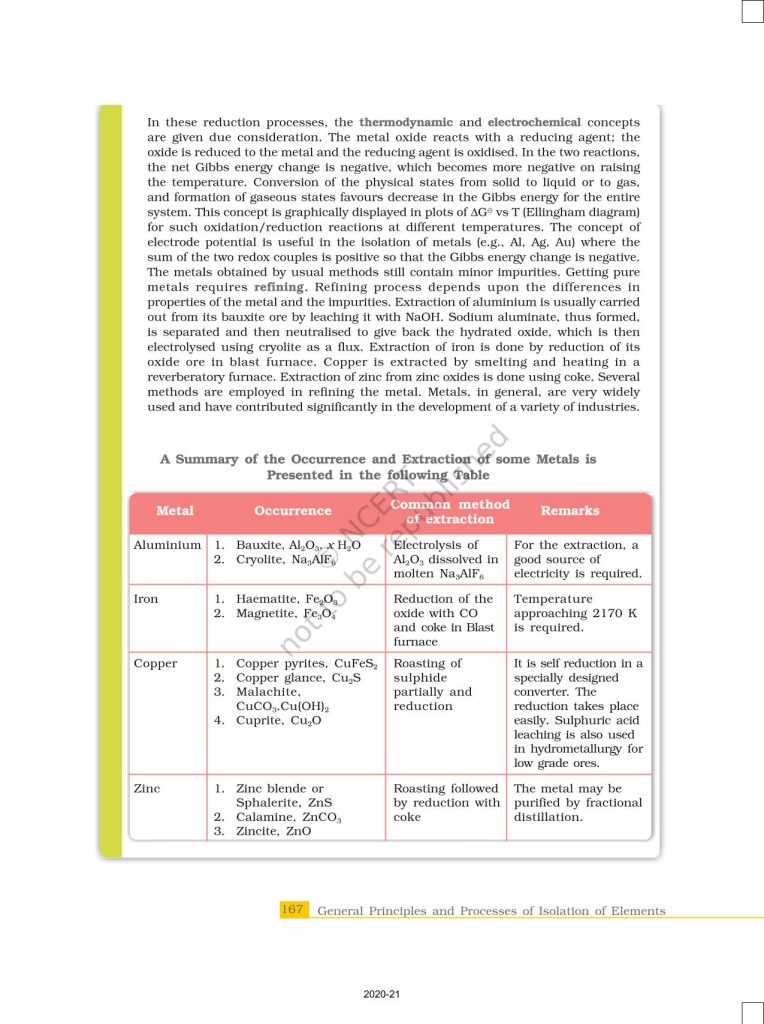
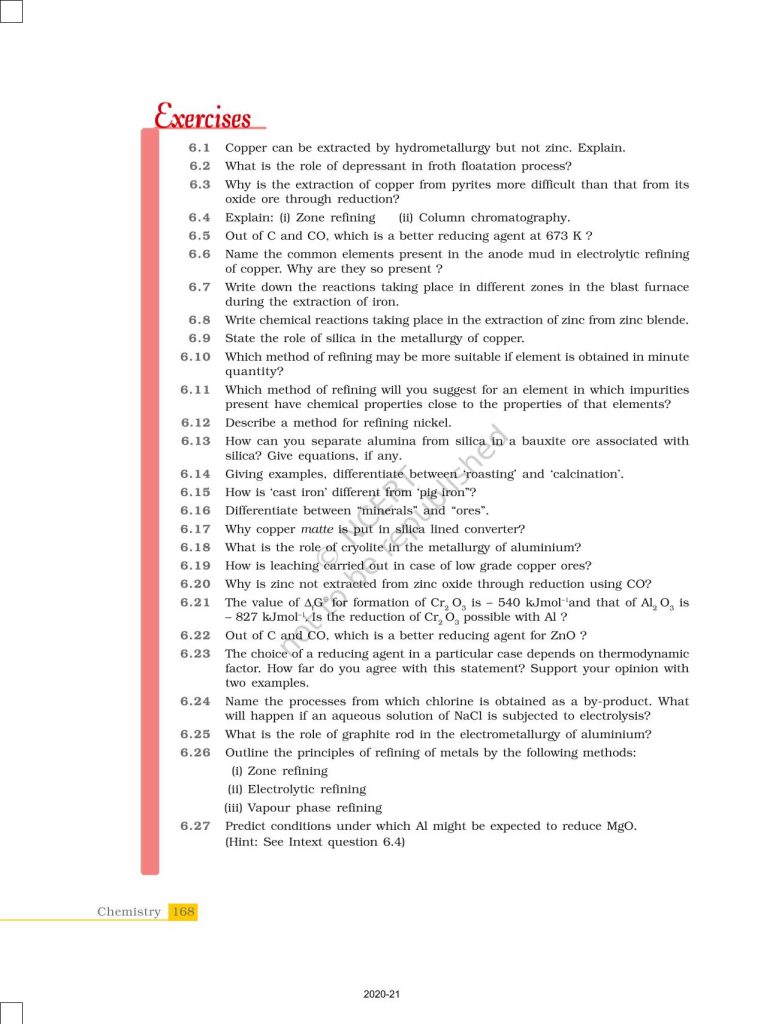
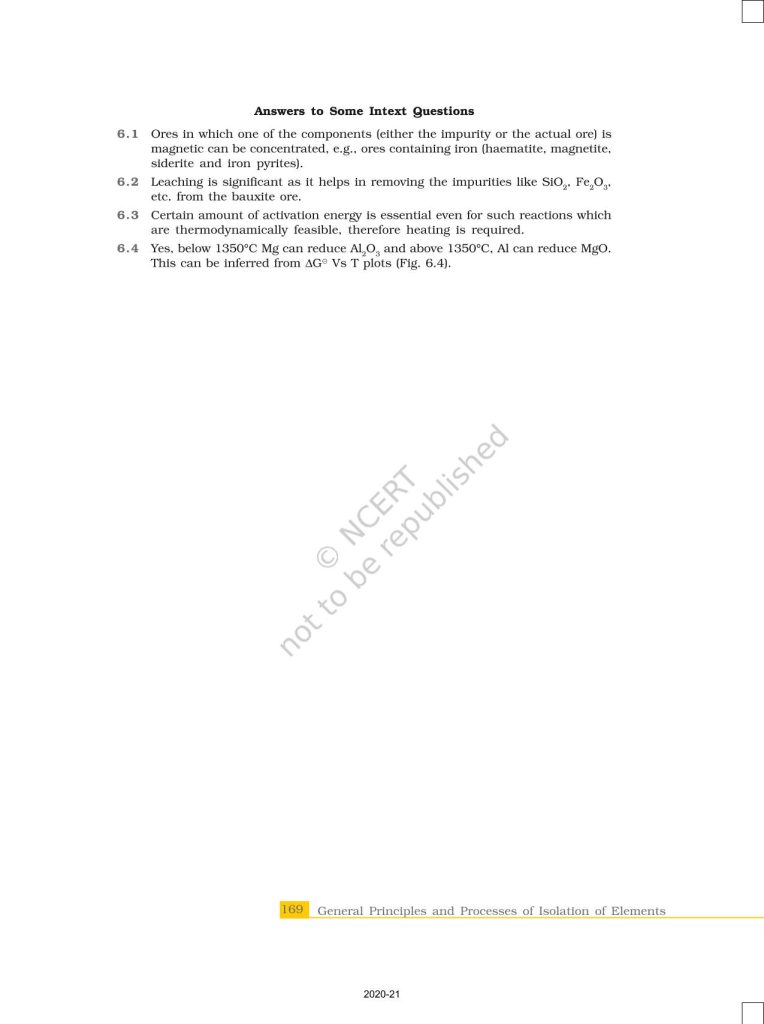
The chapter General Principles and Processes of Isolation of Elements explains the methods used to extract pure metals from their naturally occurring ores. It begins with the concept of metallurgy, which involves the steps of concentration of ores, extraction of metals, and purification. Various techniques such as froth flotation, magnetic separation, and leaching are used to concentrate ores by removing impurities.

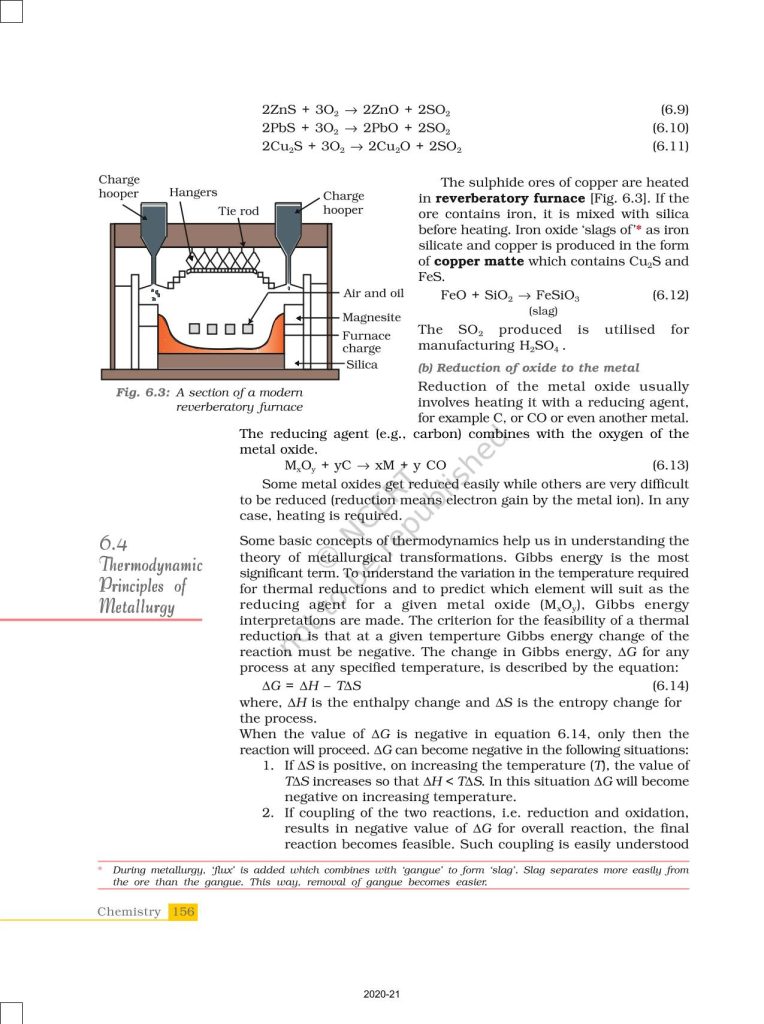
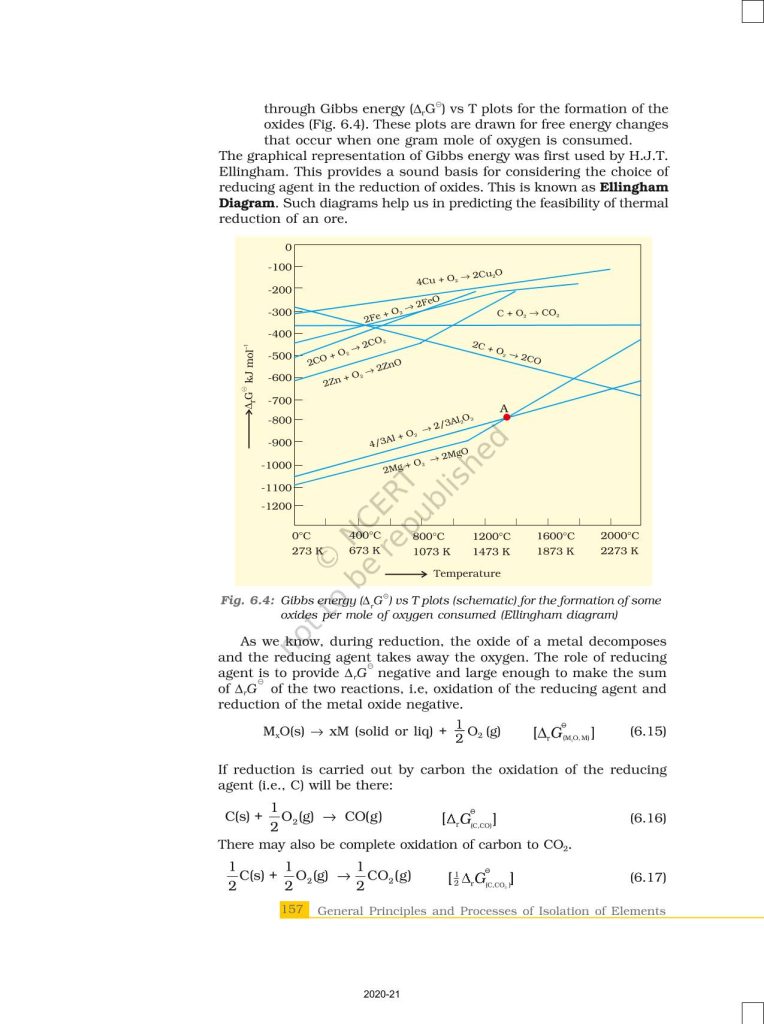
The chapter also discusses different methods of metal extraction based on the reactivity of metals, including roasting, calcination, reduction, and electrolytic refining. These processes help convert metal compounds into pure metals suitable for industrial use. Understanding these principles is important for learning how metals like iron, copper, and aluminum are obtained and purified for practical applications in everyday life and industries. This chapter is highly important for Class 12 board exams and competitive exams like NEET and JEE.

General Principles and Process of Isolation of Elements ncert
  • The p-Block Elements

NCERT BOOK Neet Chemistry
Follow on Google News Follow on Flipboard
Share. Facebook Twitter Pinterest LinkedIn Tumblr Email
Previous ArticleNCERT Book for Class 12 Chemistry Part 1 – (Chapter 5 – Surface Chemistry)
Next Article NCERT Book for Class 12 Chemistry Part 1 – (Chapter 4 – Chemical Kinetics)

Related Posts

NCERT Ebook

NCERT Ebook – Ecosystem

November 23, 2024
NEET Question Answers

Reasons for Aniline ‘s Basic Nature (NEET Chemistry)

November 14, 2024
NEET Question Answers

Ammonia: Strong or Weak Ligand? (NEET Chemistry)

November 13, 2024
Add A Comment
Leave A Reply Cancel Reply

Latest Articles

Meter to Foot Calculator: Ultimate Guide to Convert Meters to Feet Instantly

March 30, 2026

NCERT Book for Class 11 Biology – (Chapter 2 – Biological Classification)

March 28, 2026

NCERT Book for Class 11 Biology – (Chapter 1 – The Living World)

March 28, 2026

NCERT Book for Class 11 Biology – (Chapter 3 – Plant Kingdom)

March 28, 2026
Trending
NCERT Ebook

NCERT Ebook – Ecosystem

November 23, 2024Updated:November 23, 2024

Ecosystem–Structure and Function Productivity Decomposition Energy Flow Ecological Pyramids Ecological Succession Nutrient Cycling Ecosystem Services…

Reasons for Aniline ‘s Basic Nature (NEET Chemistry)

November 14, 2024

Ammonia: Strong or Weak Ligand? (NEET Chemistry)

November 13, 2024

Convert Ethanol to But-1-yne (NEET Chemistry)

November 12, 2024
Facebook X (Twitter) Instagram Pinterest
© 2026 Gpkumar Technologies.

Type above and press Enter to search. Press Esc to cancel.