
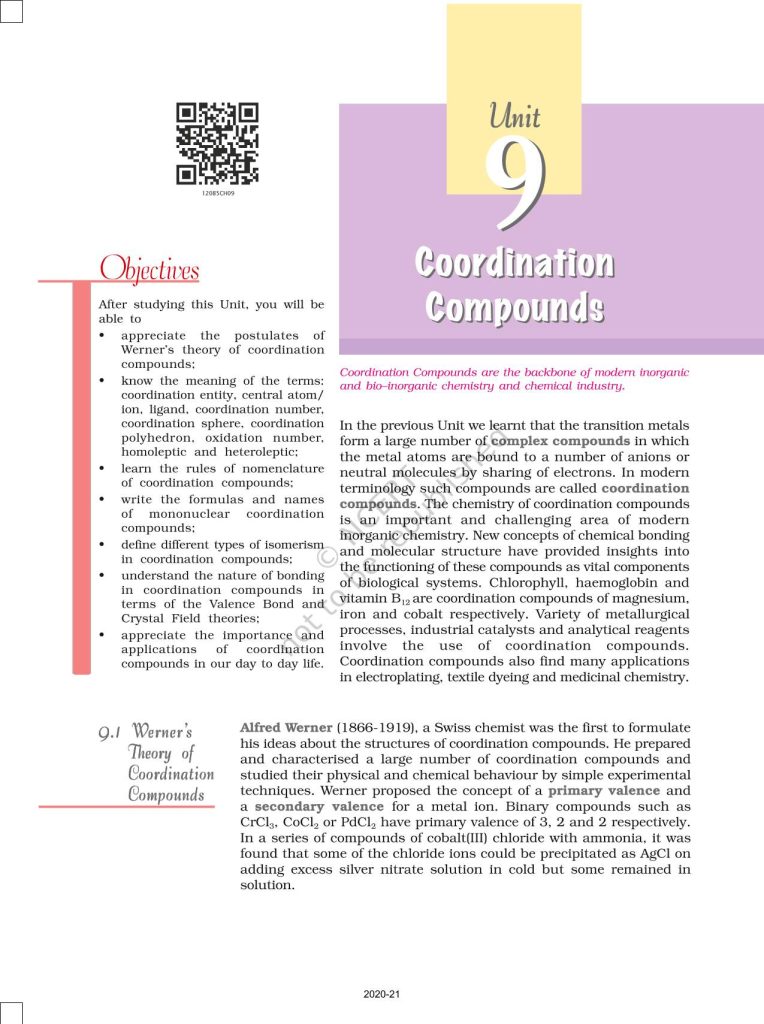
Chapter 9 – Coordination Compounds
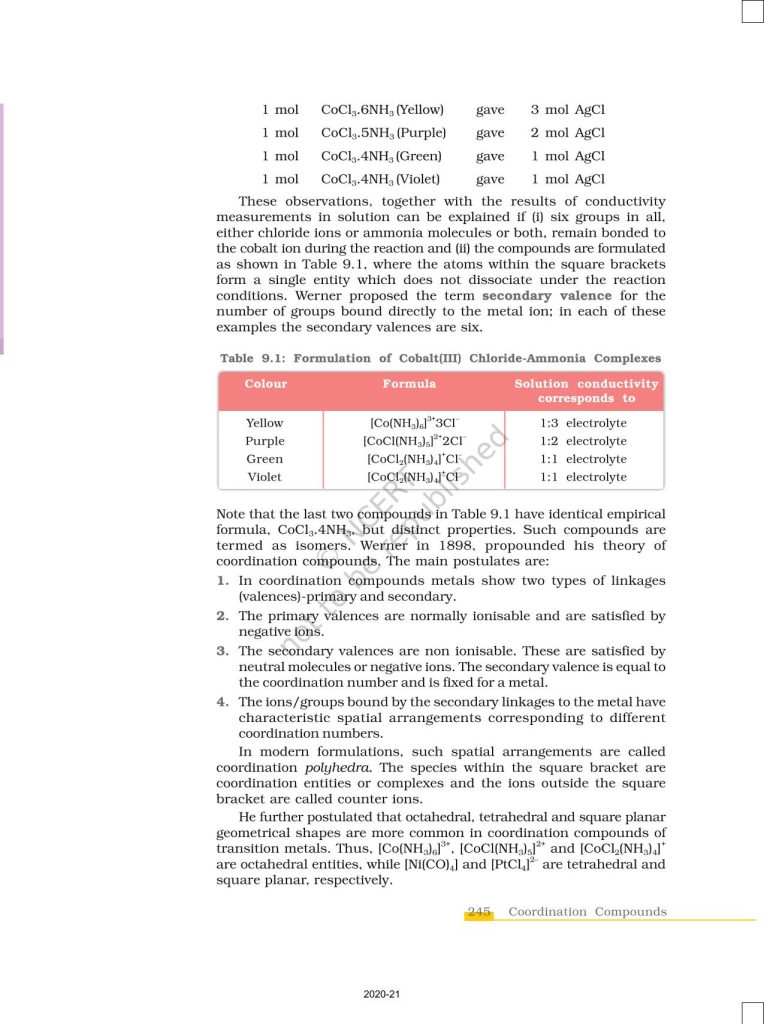
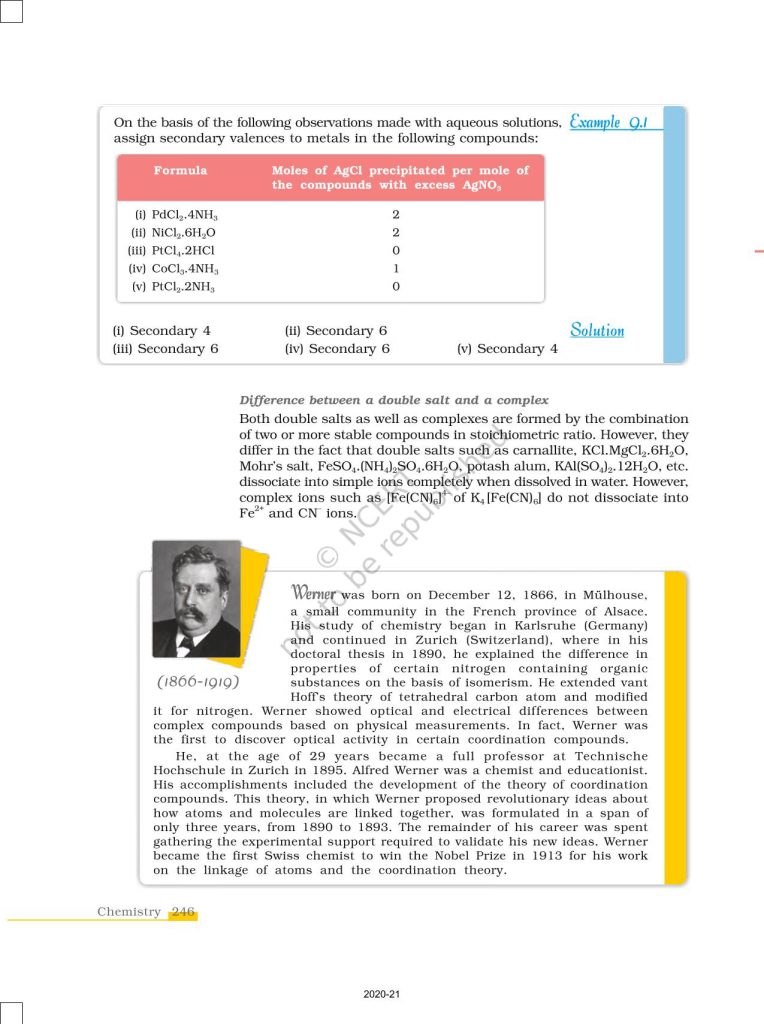
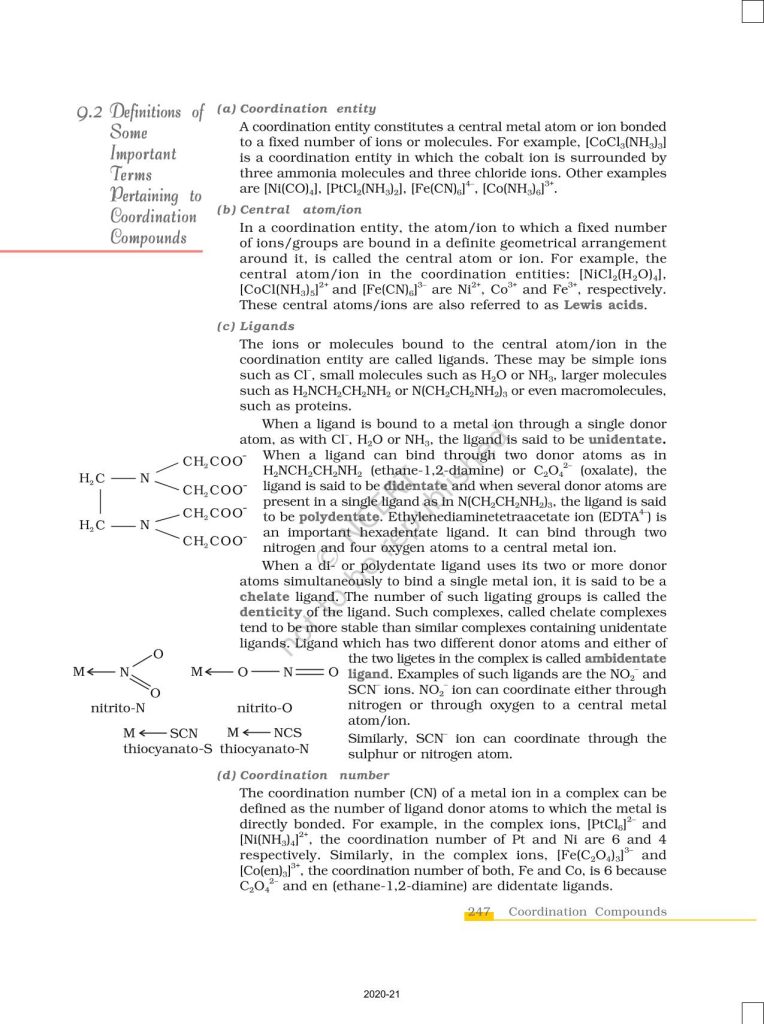
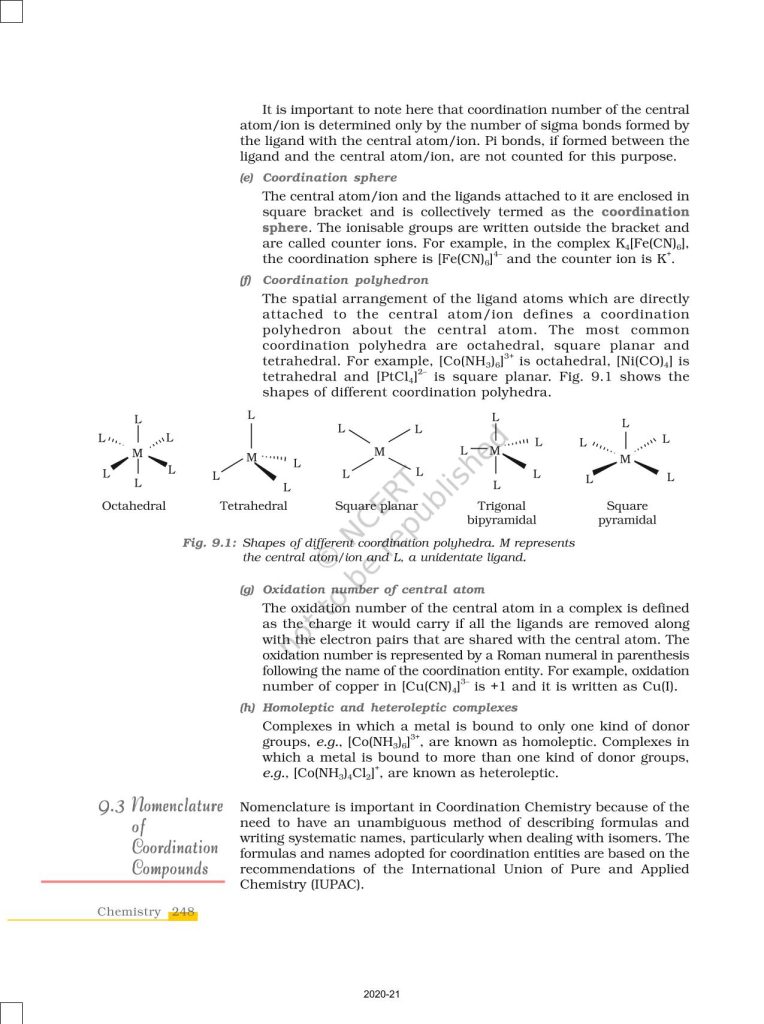
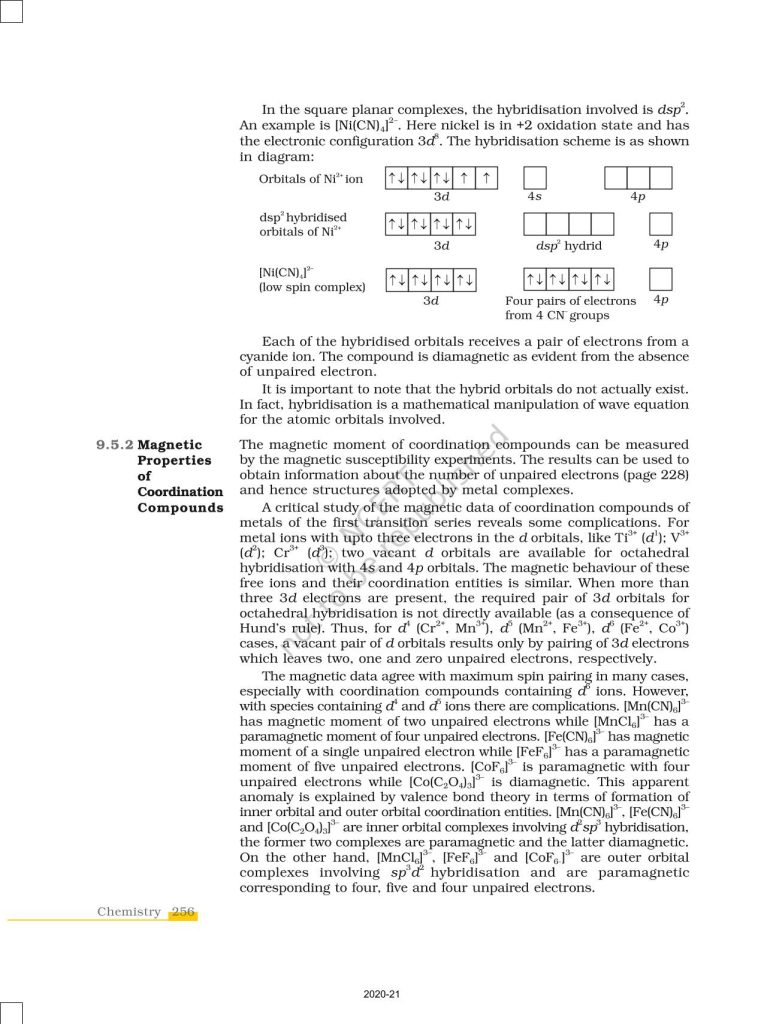
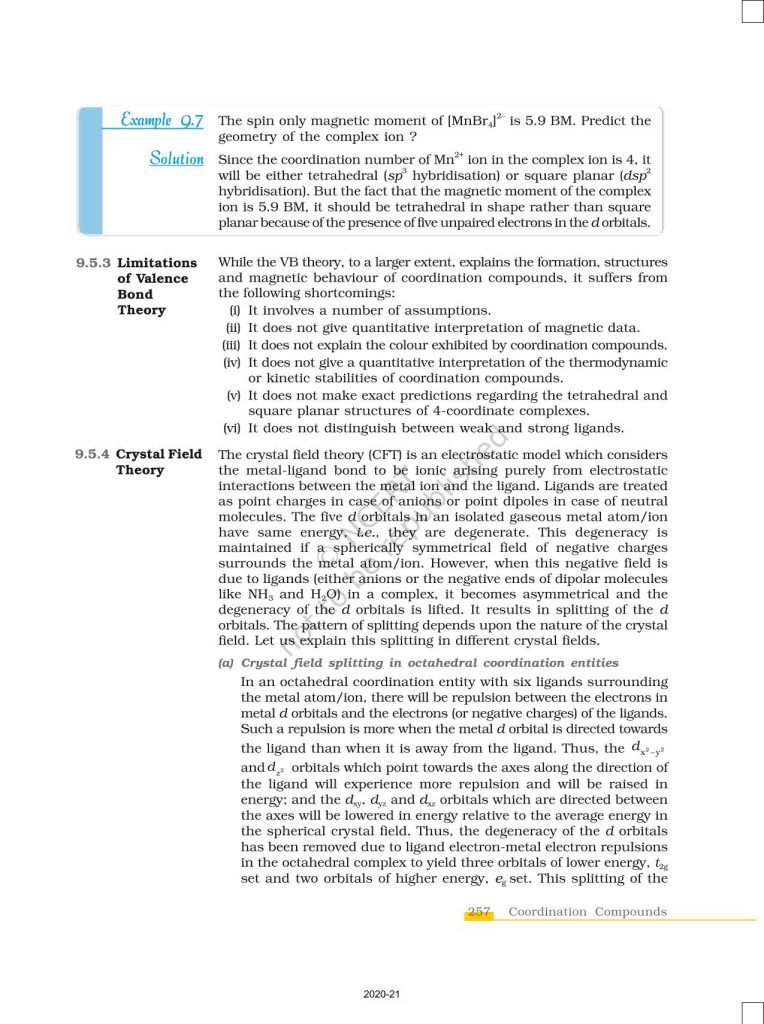
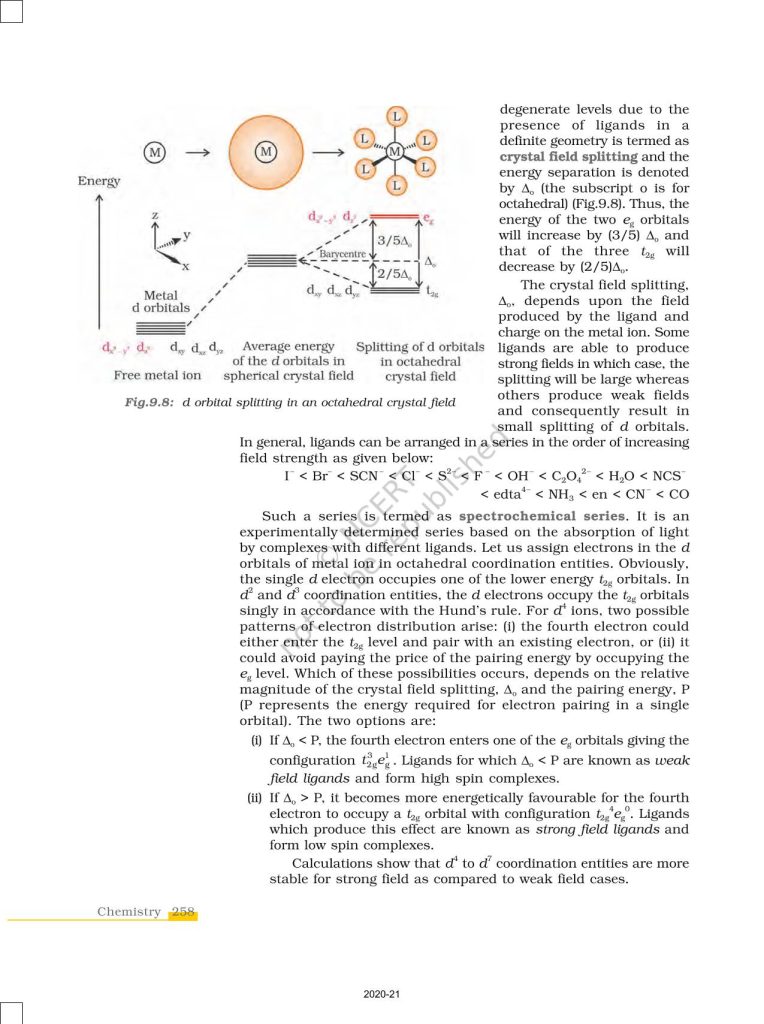
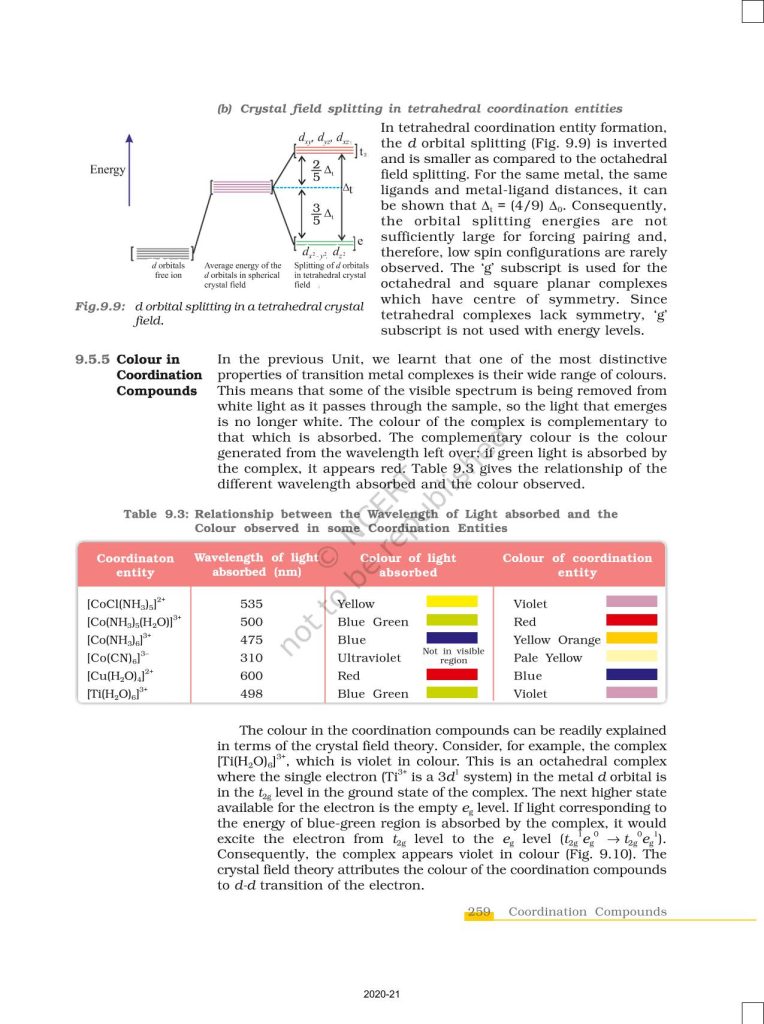
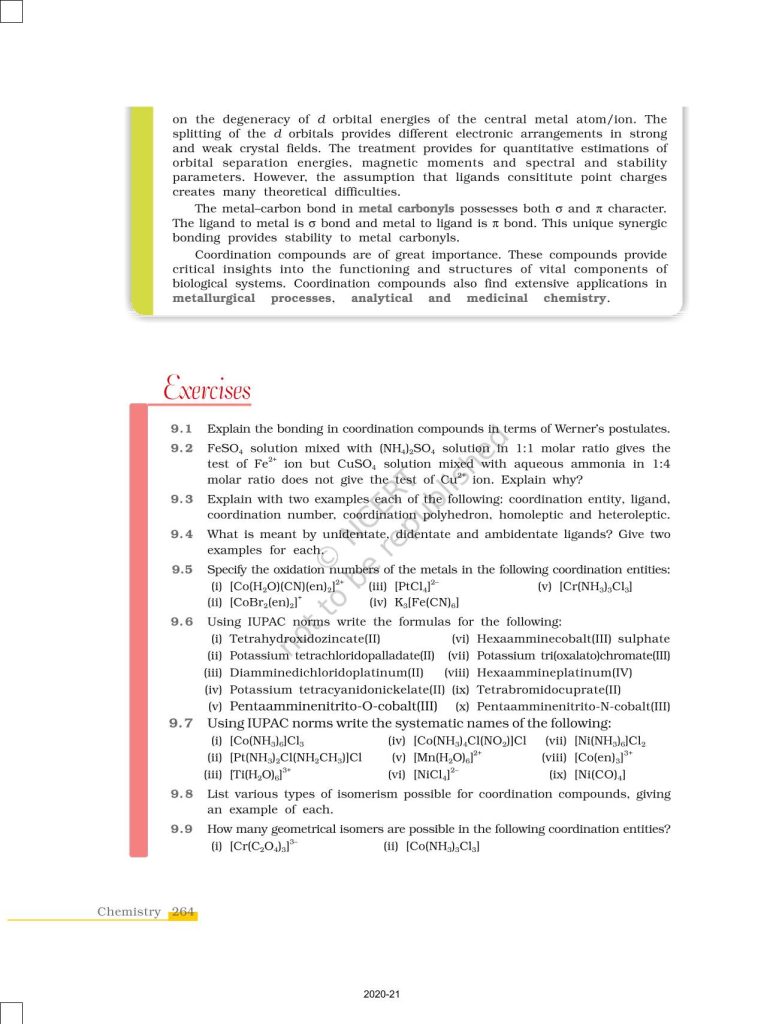
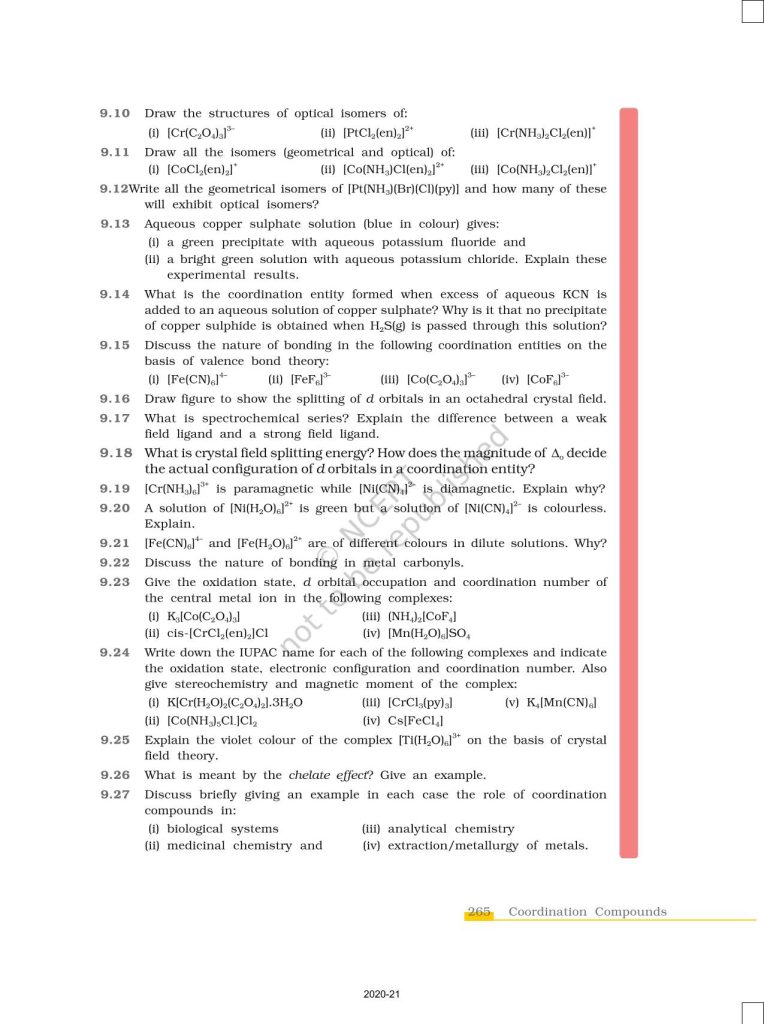
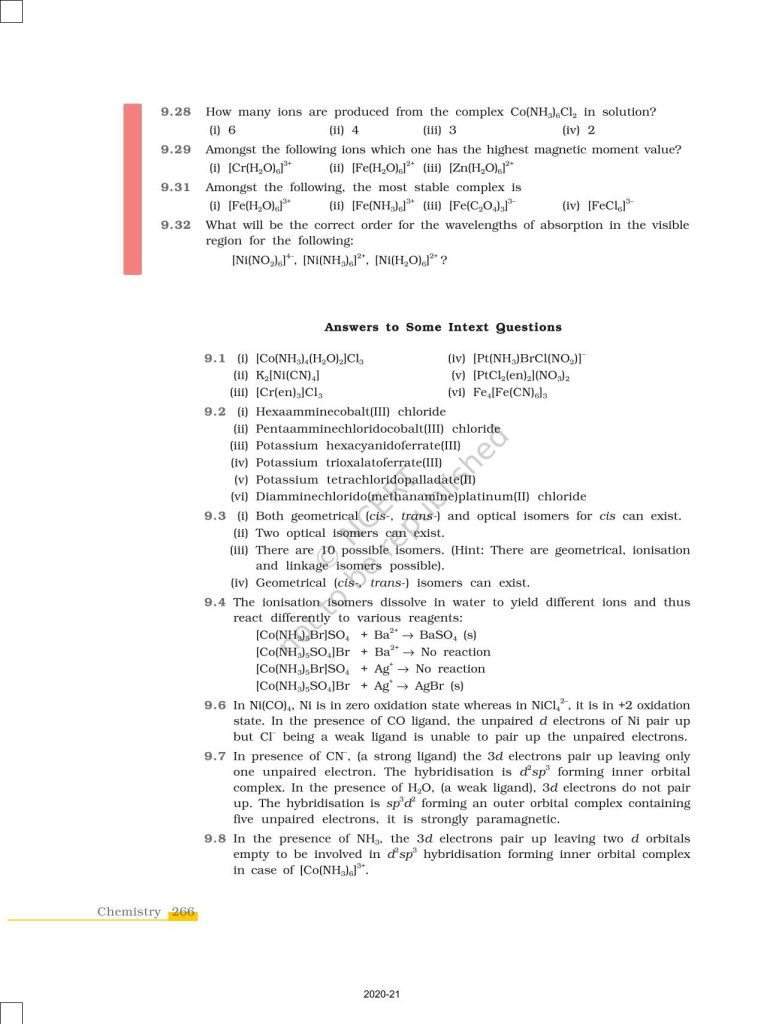
Coordination compounds are chemical compounds in which a central metal atom or ion is bonded to surrounding molecules or ions called ligands through coordinate covalent bonds. The metal ion and the ligands together form a coordination complex, where the number of ligand atoms attached to the metal is called the coordination number. These compounds can have different geometrical shapes such as octahedral, tetrahedral, or square planar, depending on the arrangement of ligands around the metal ion. Coordination compounds are very important in chemistry because they help explain metal–ligand bonding and have many applications in analytical chemistry, medicine, catalysis, electroplating, and biological systems, such as the iron-containing hemoglobin molecule in blood.Important for Class 12 board exams and competitive exams like NEET and JEE.
coordination compounds NCERT

Student Doubts & Questions
Have a question about this chapter? Ask below and get help from tutors & peers.