Chapter 4 – Chemical Bonding and Molecular Structure
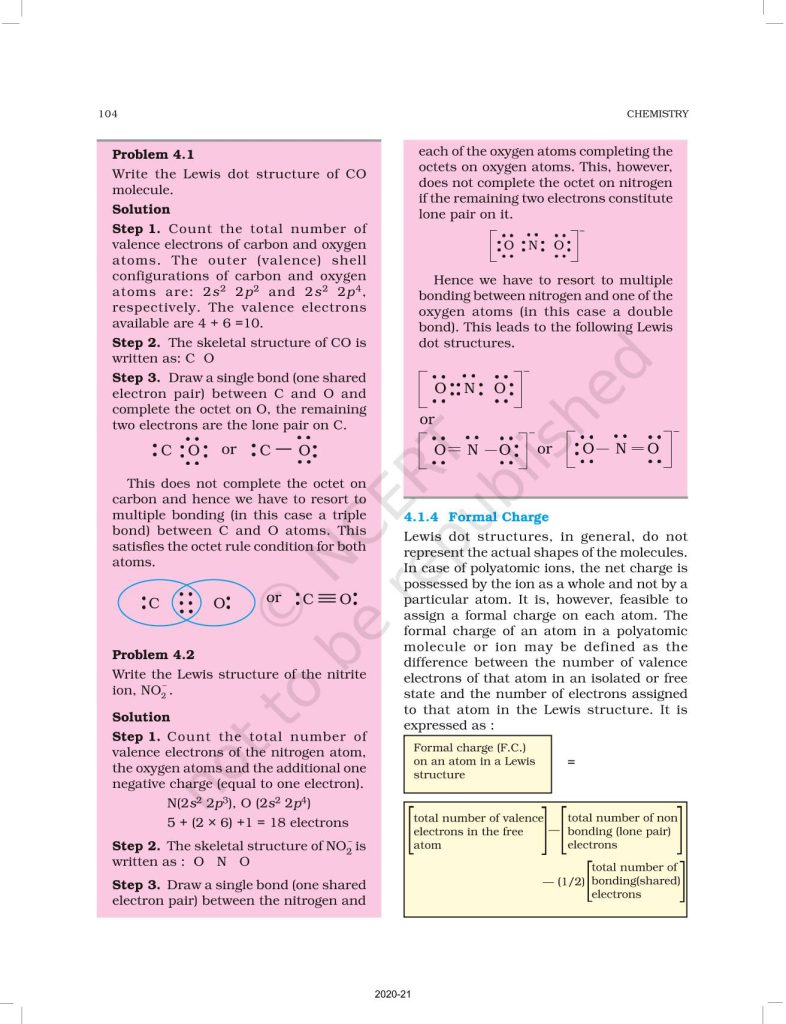
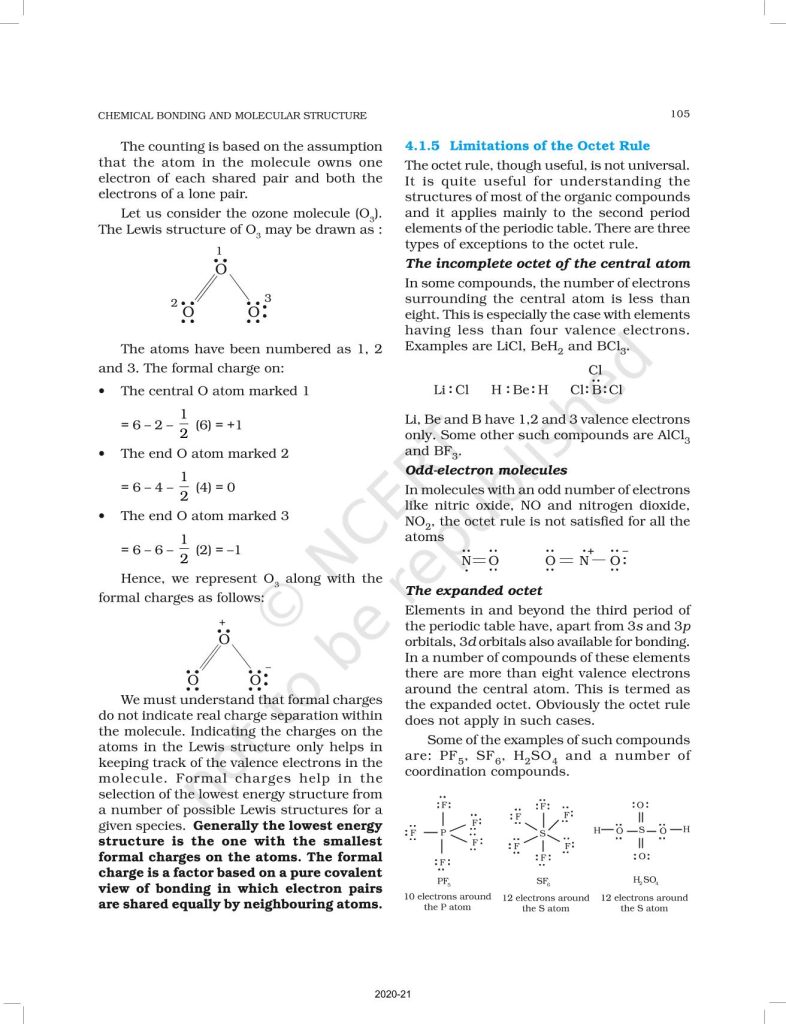
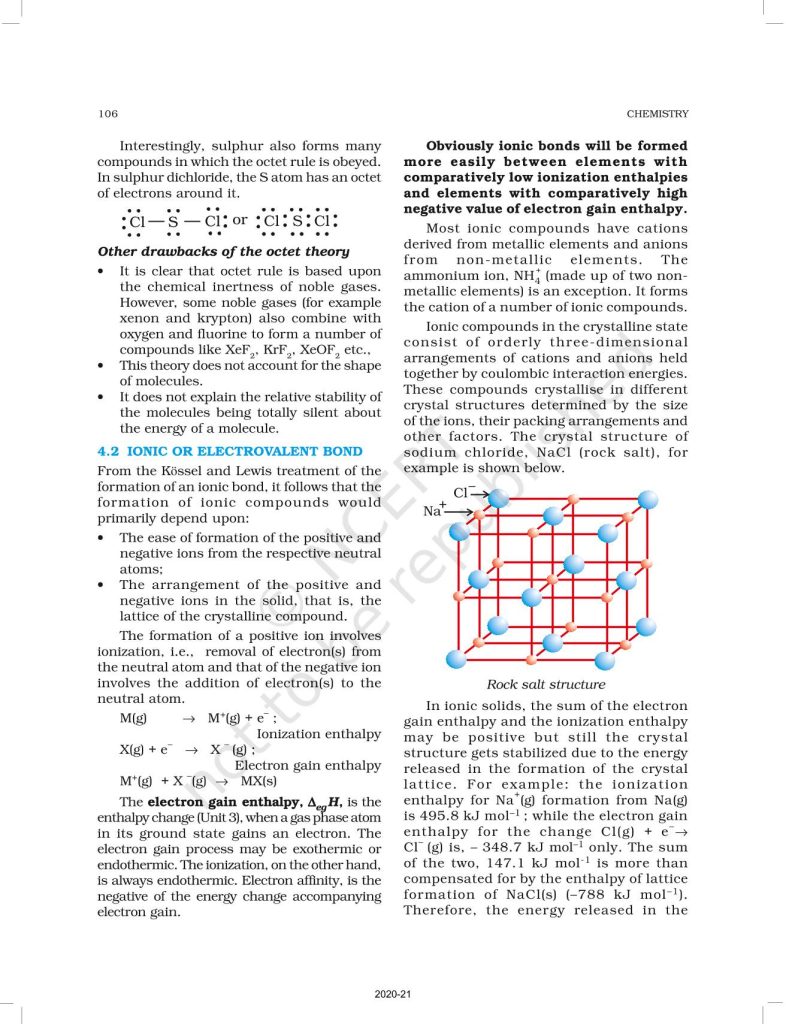
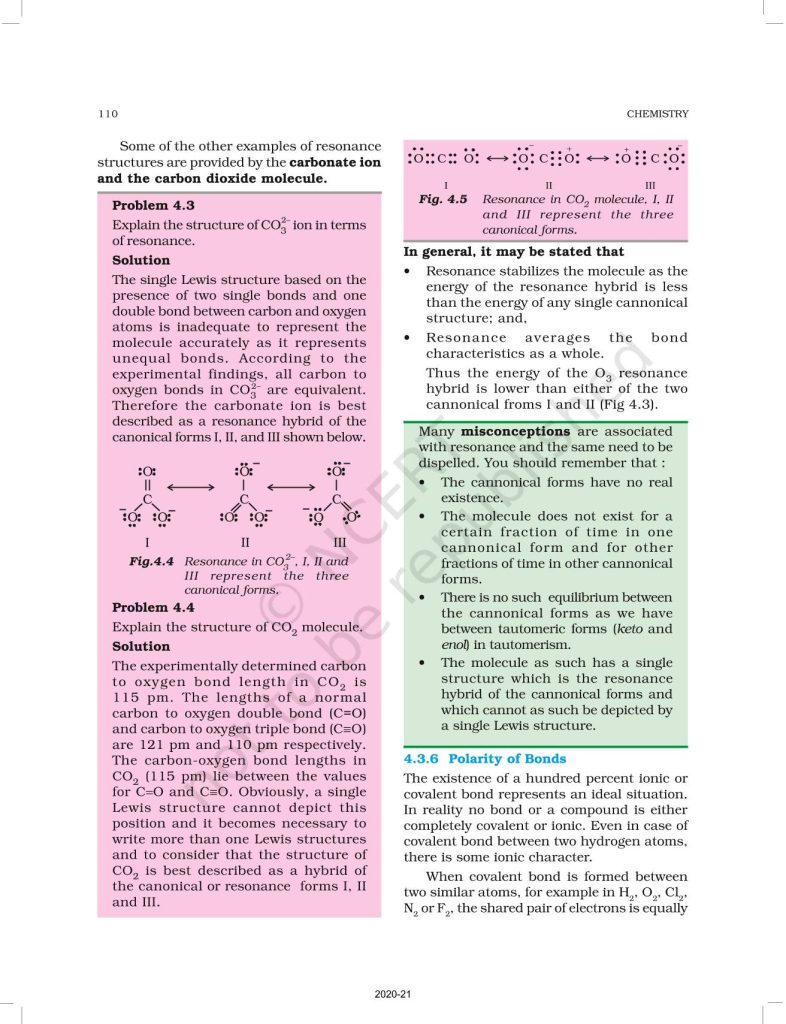
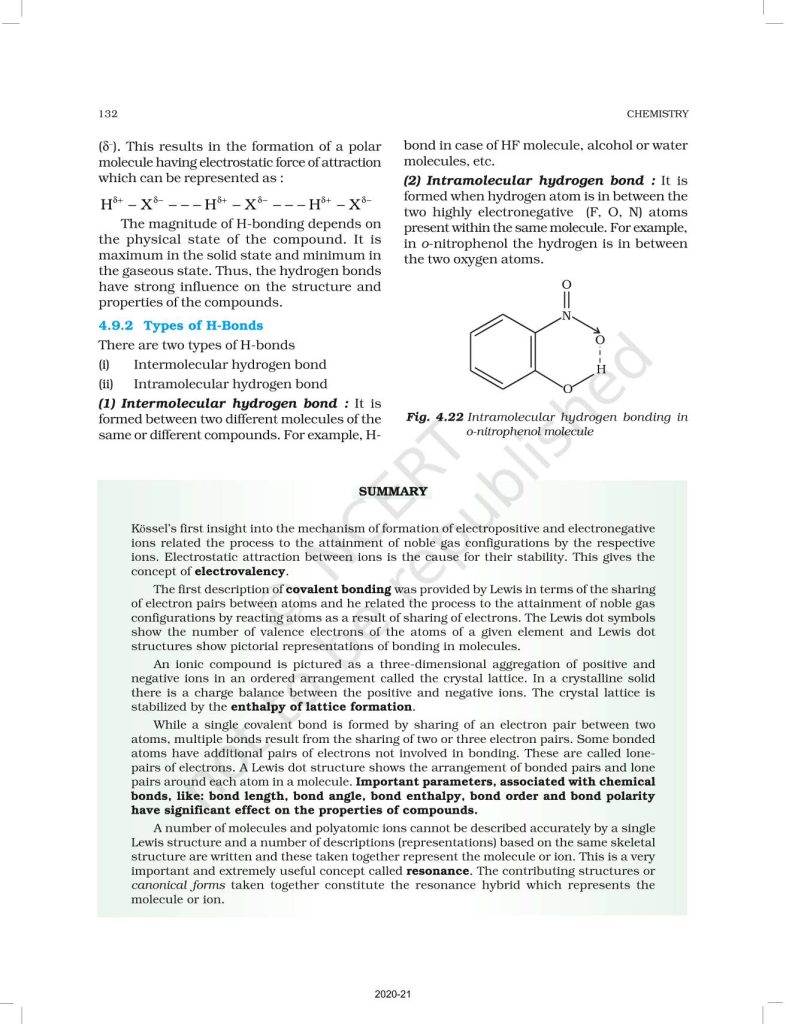
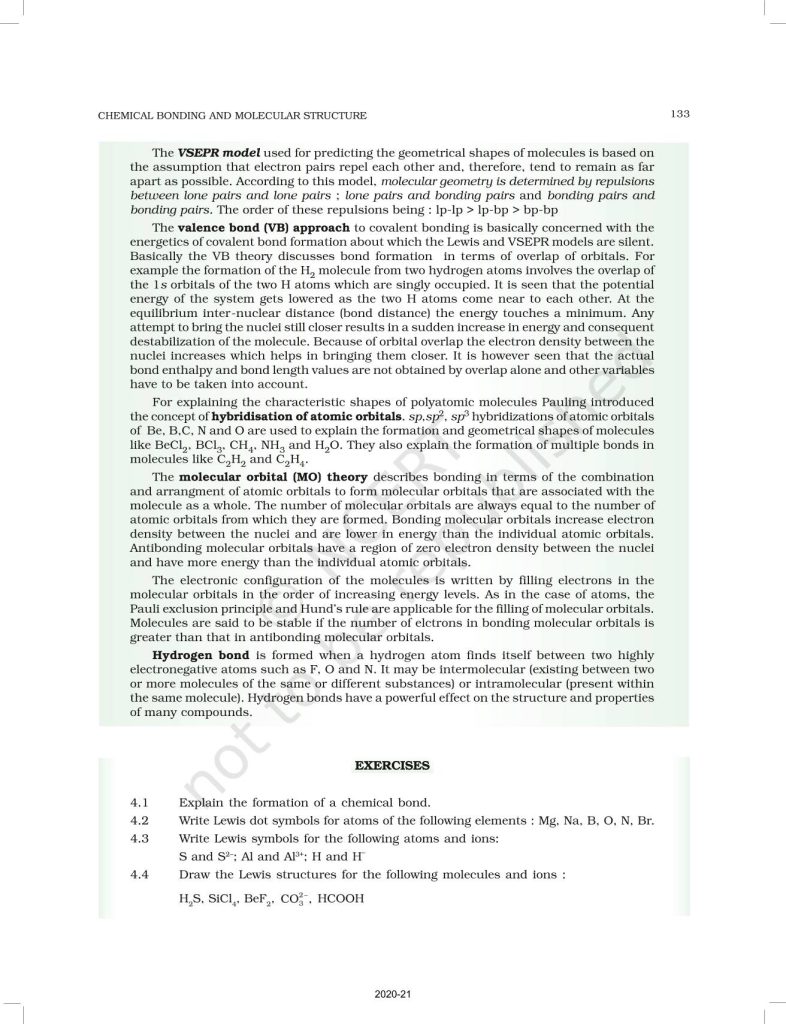
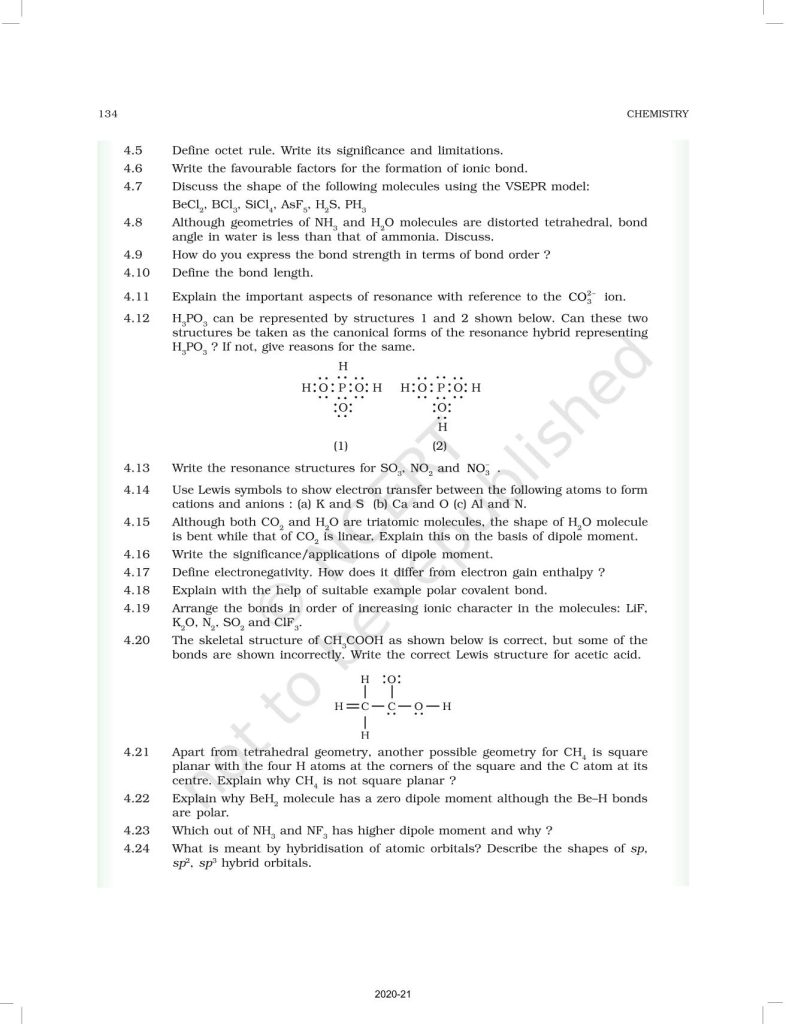
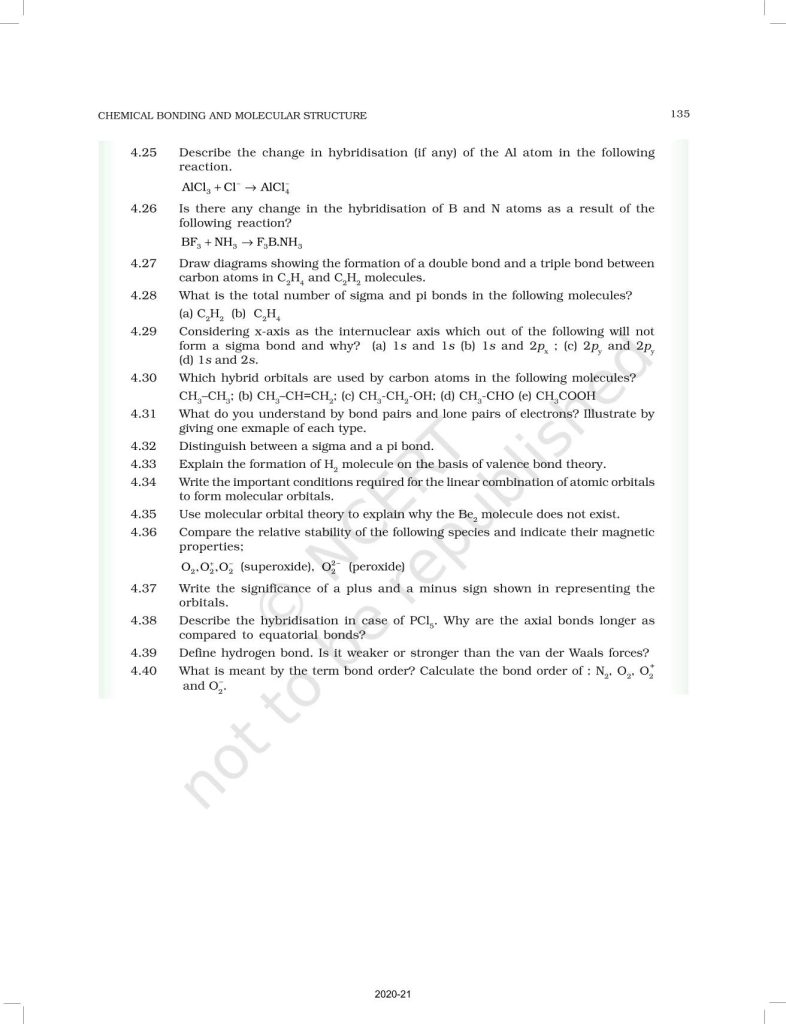
Chapter 4 – Chemical Bonding and Molecular Structure explains how and why atoms combine to form molecules and compounds. It covers important concepts such as ionic bonding, covalent bonding, coordinate bonding, and metallic bonding, along with the octet rule and exceptions to it. The chapter also introduces Lewis structures to represent bonding between atoms.
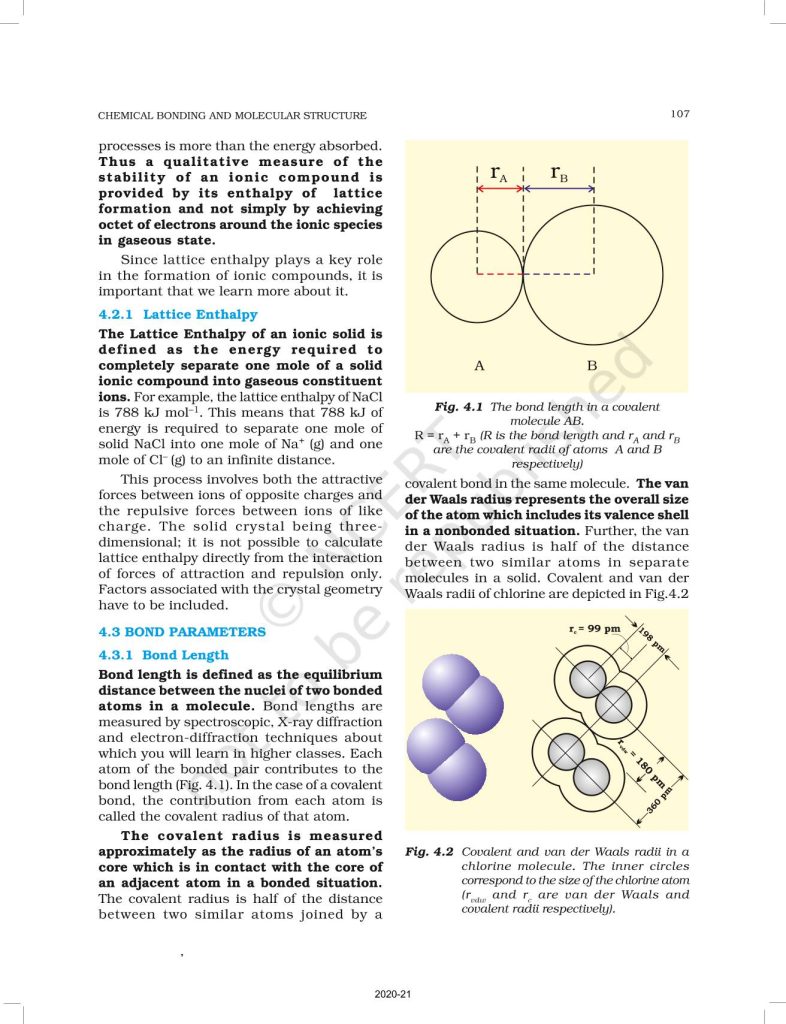
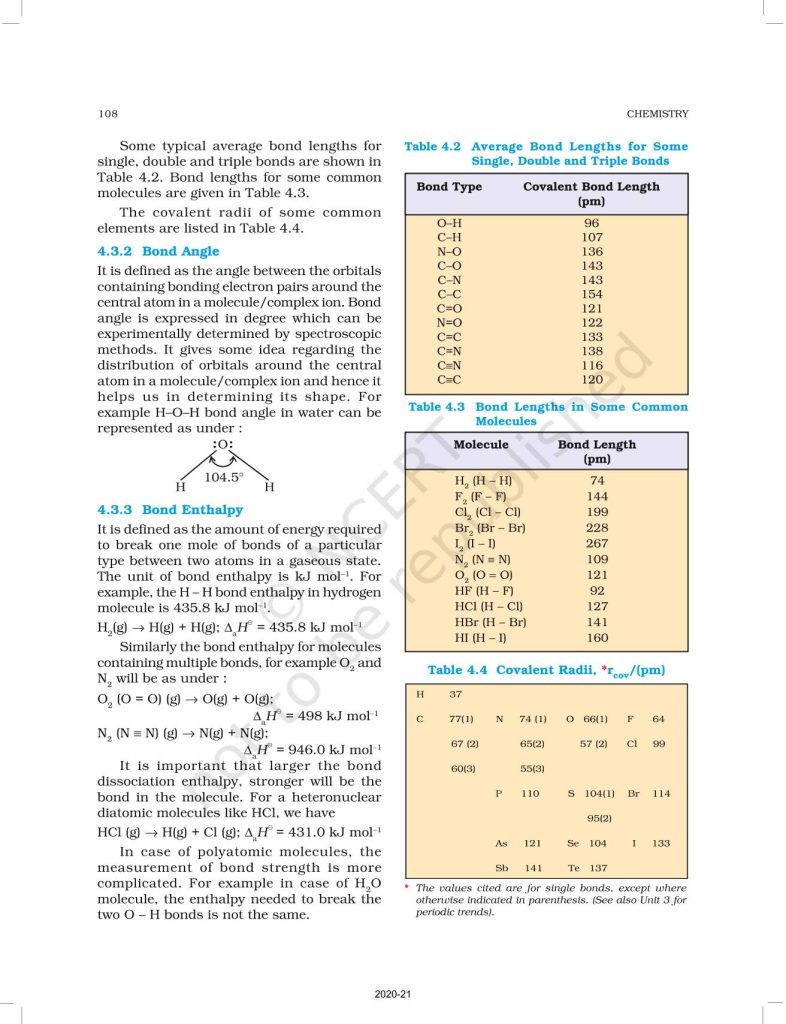
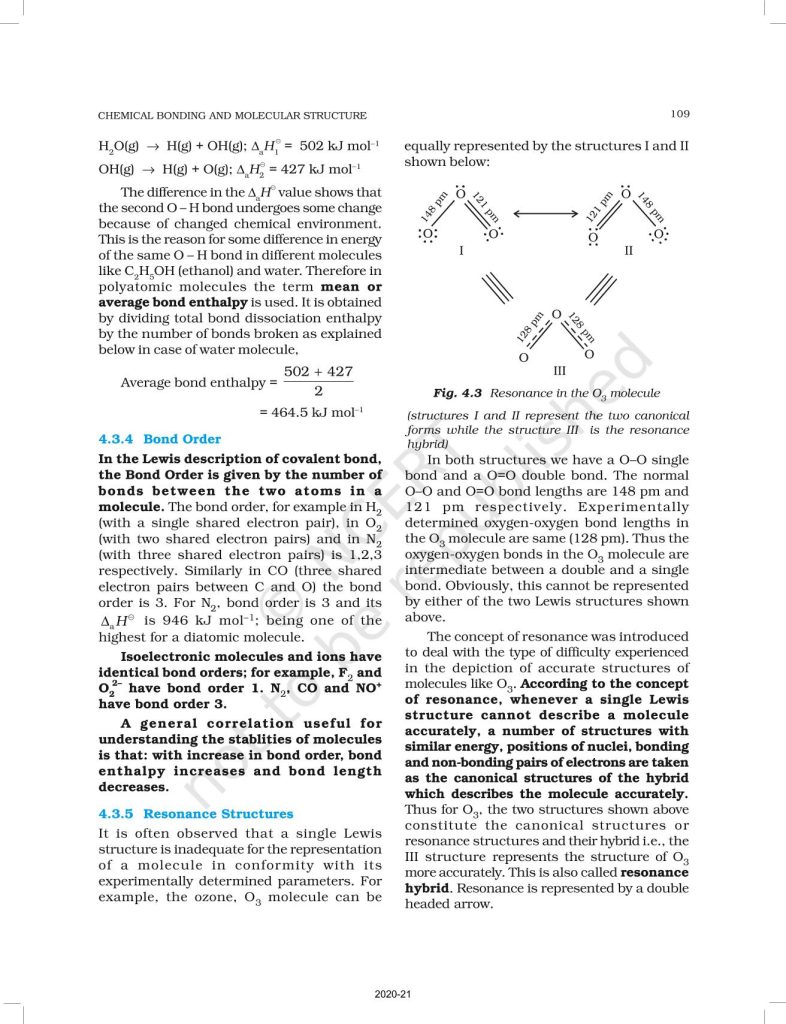
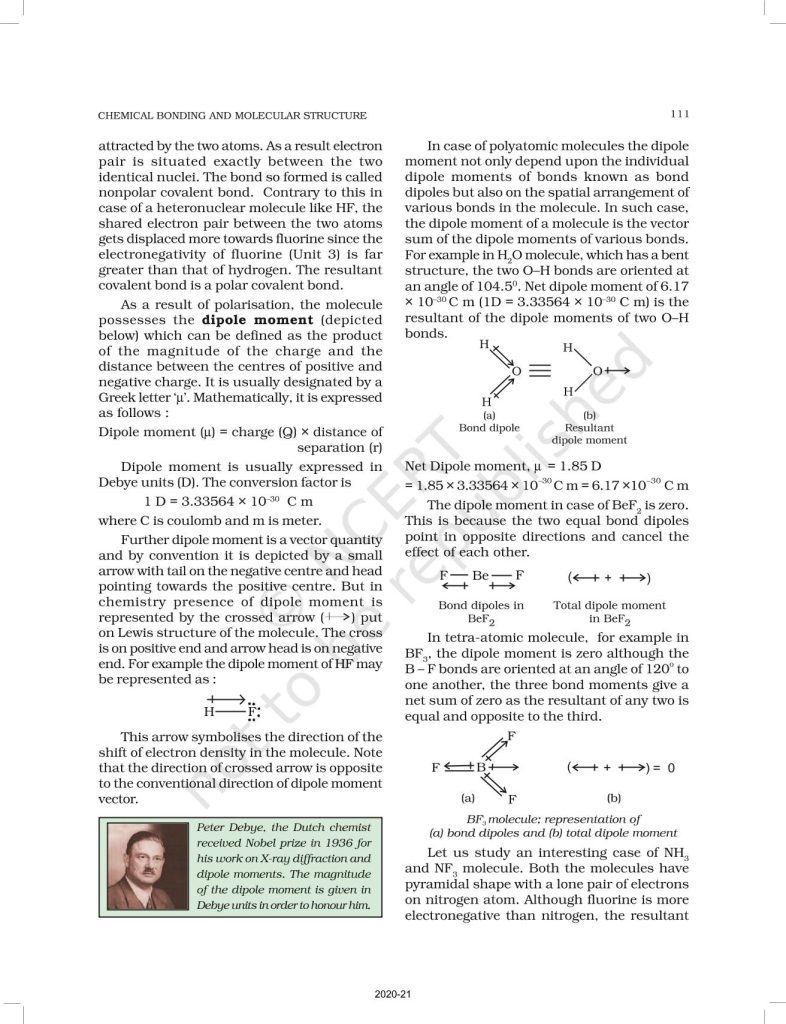
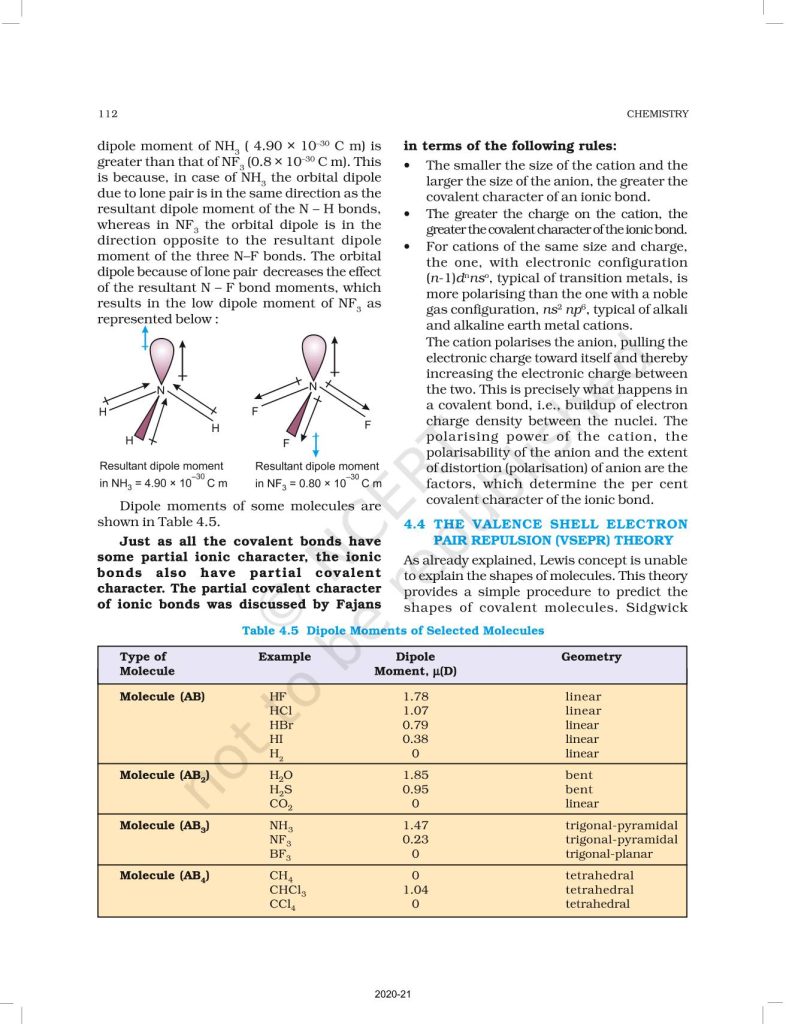
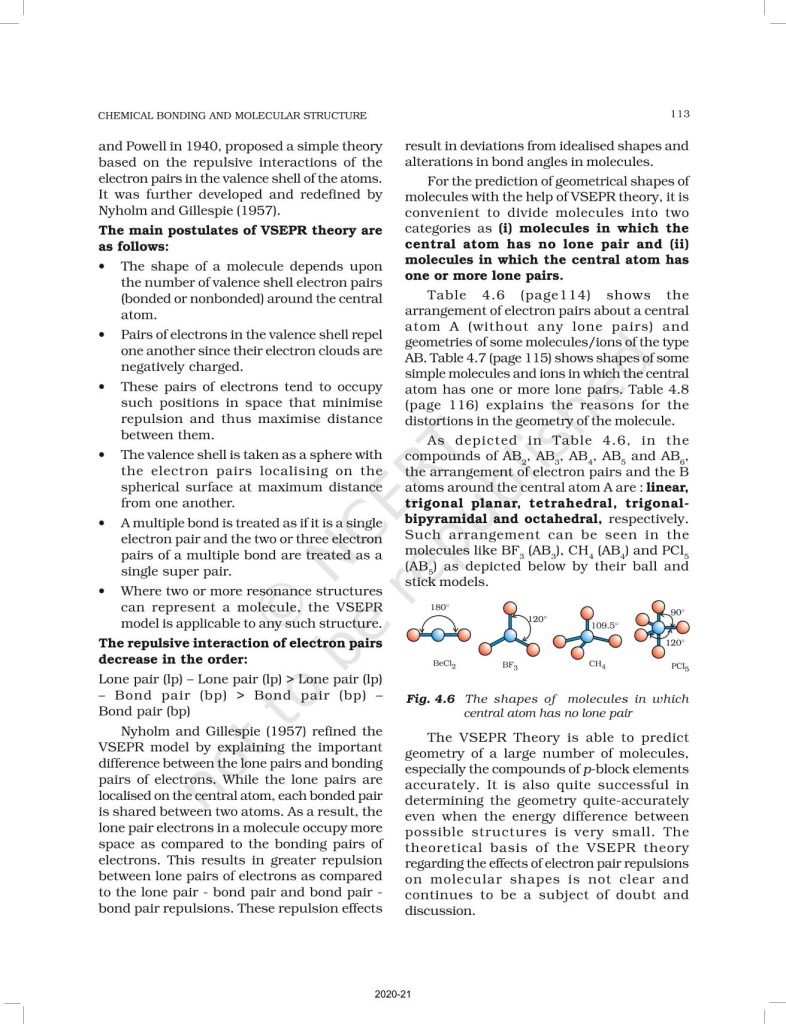
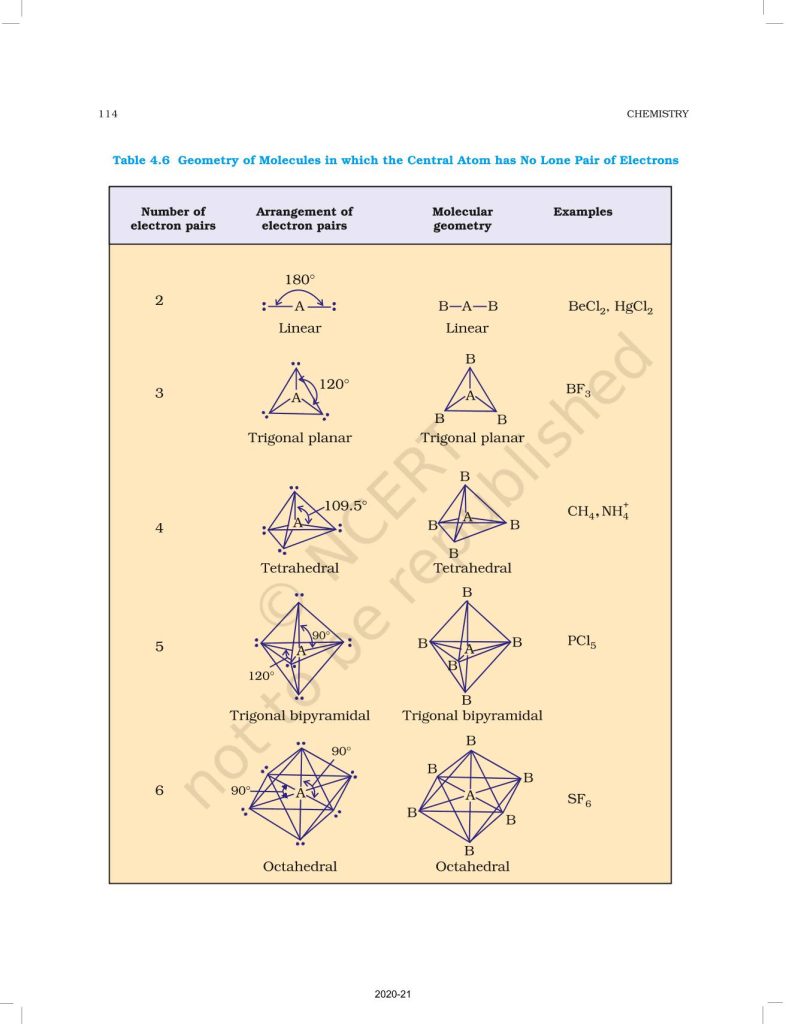
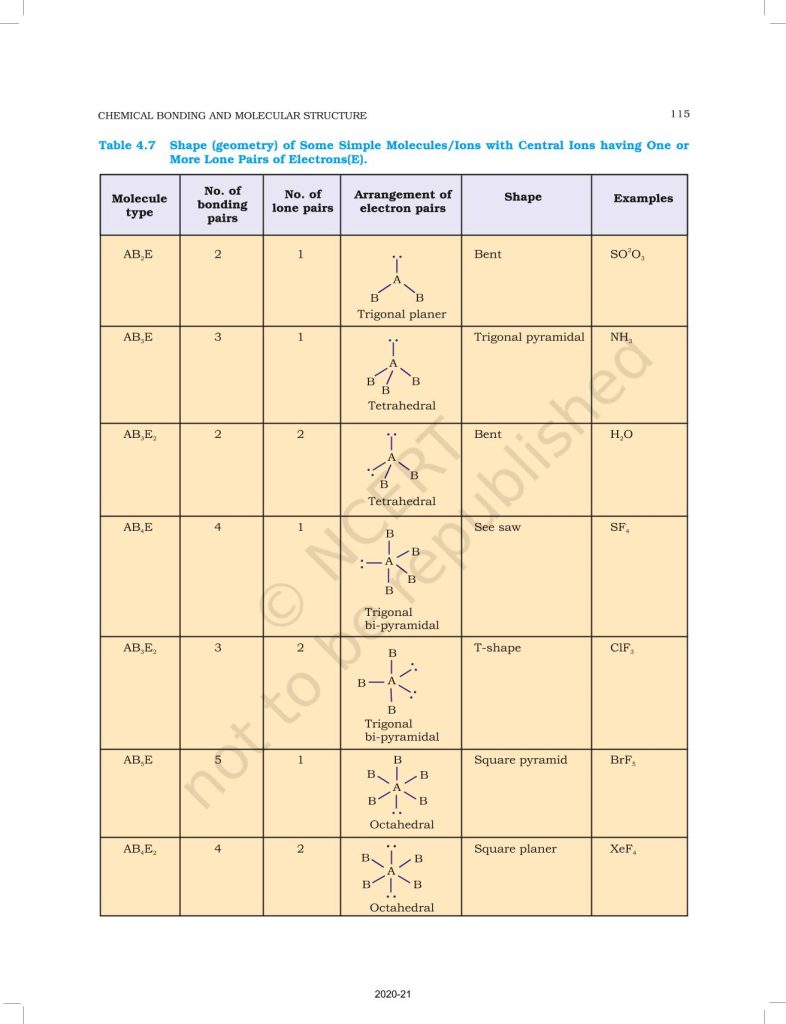
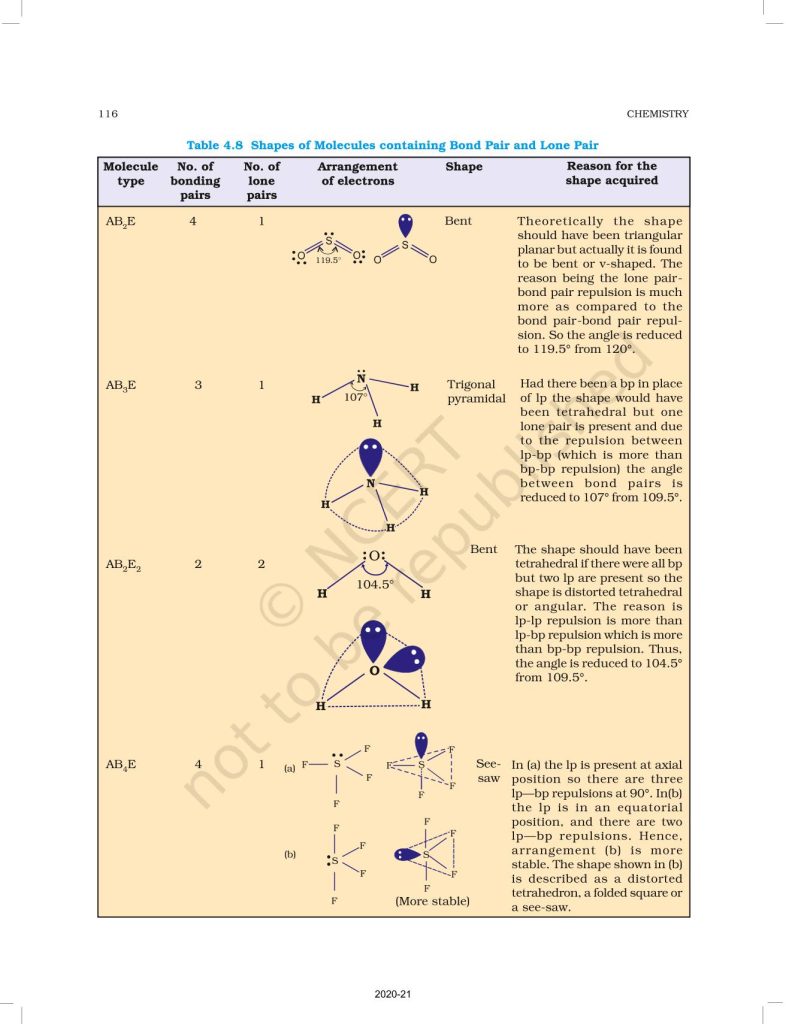
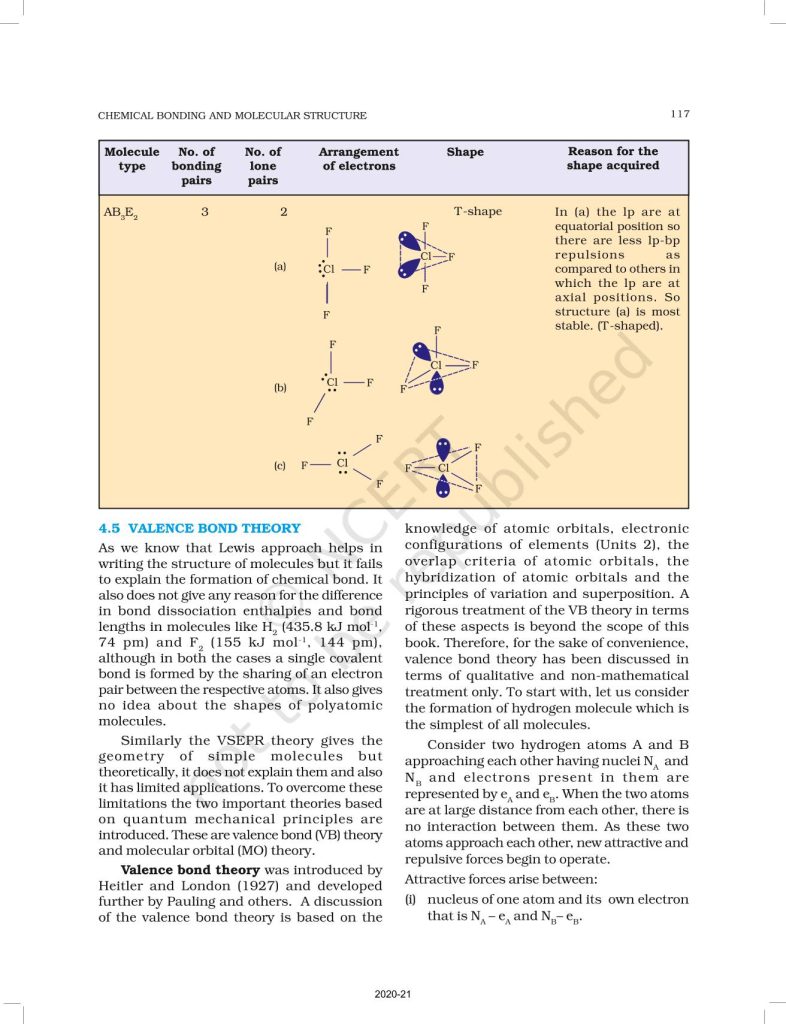
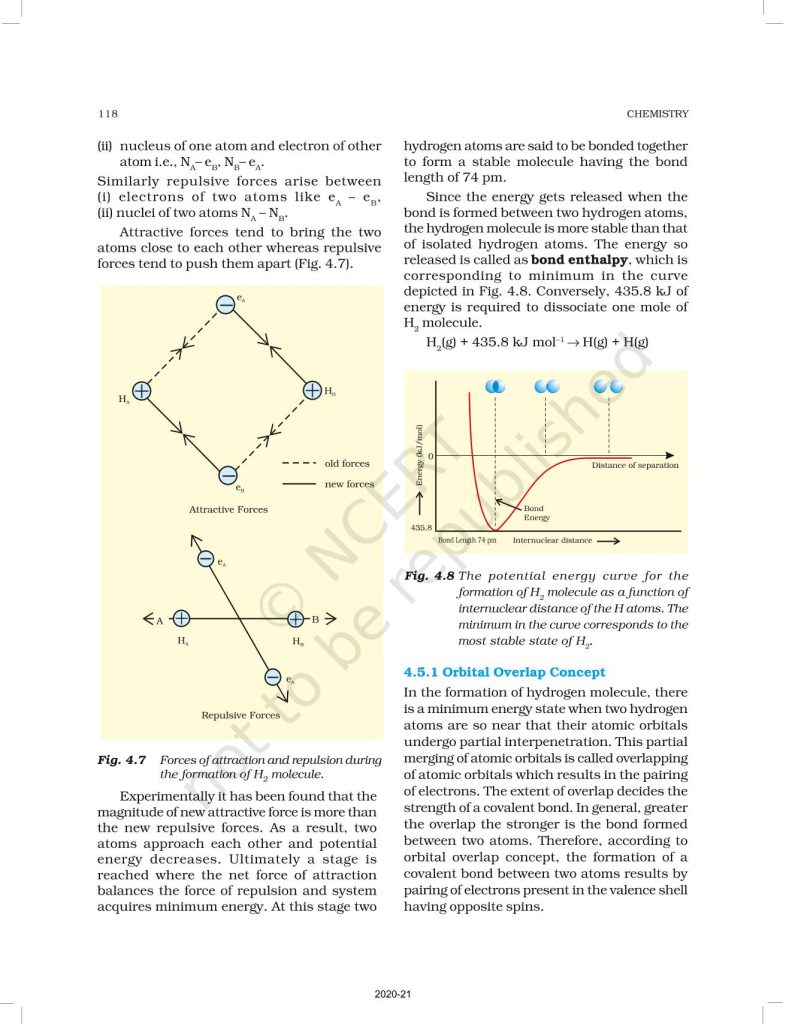
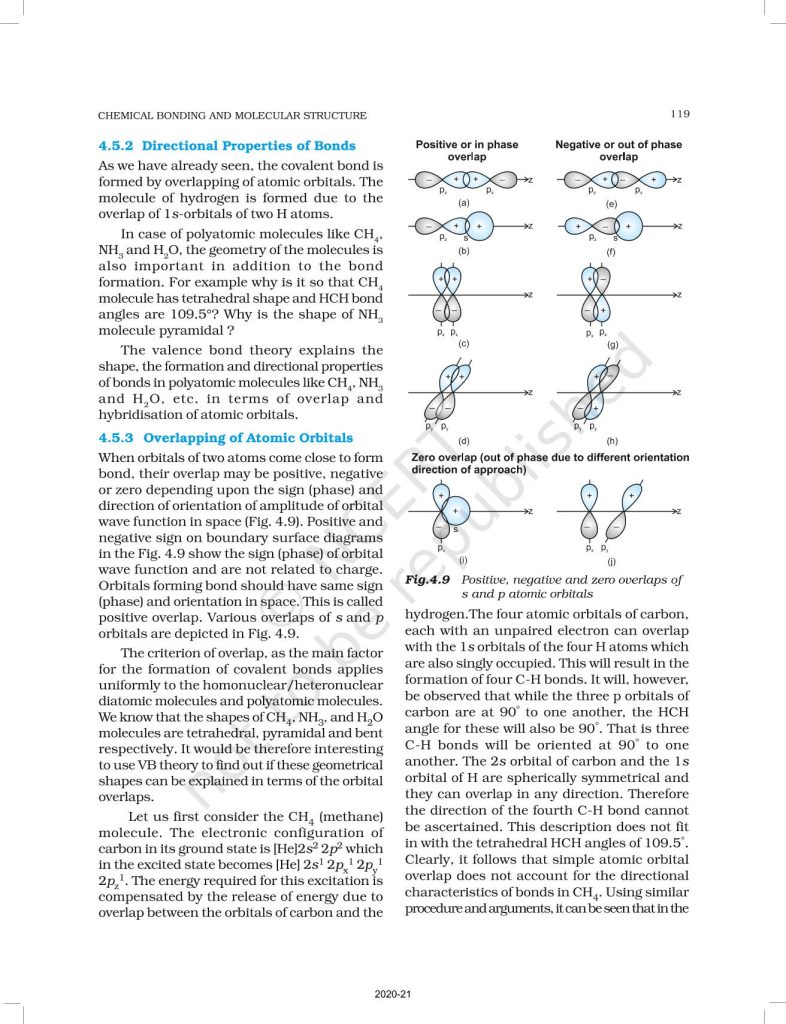
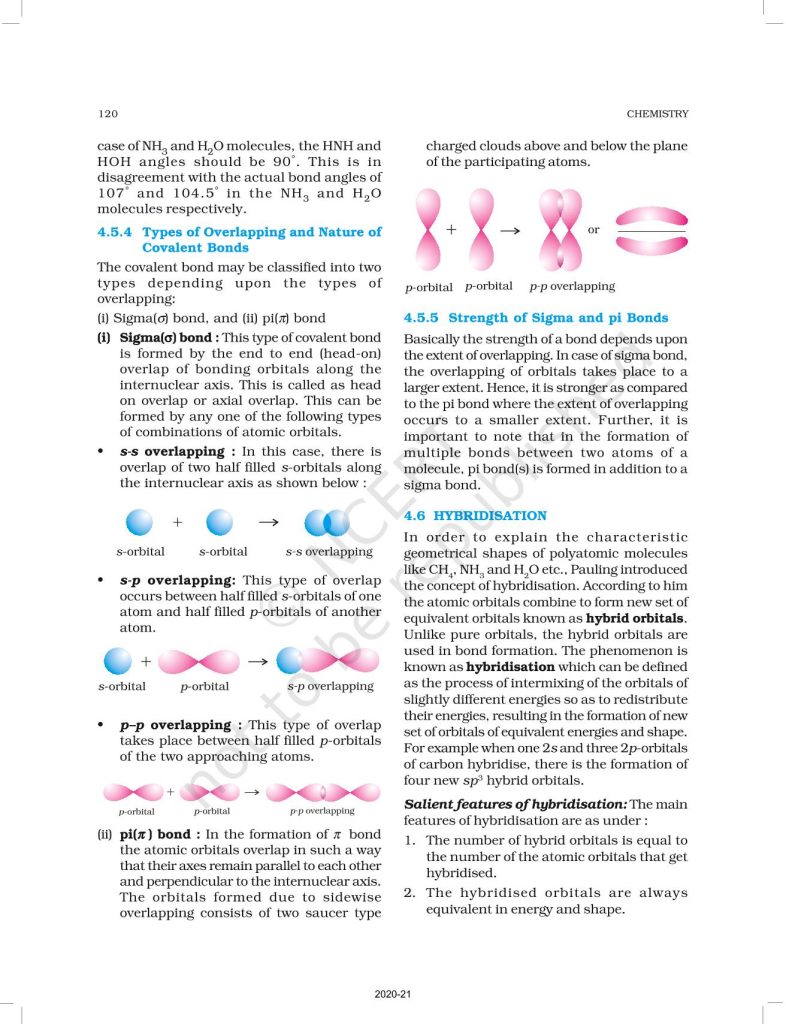
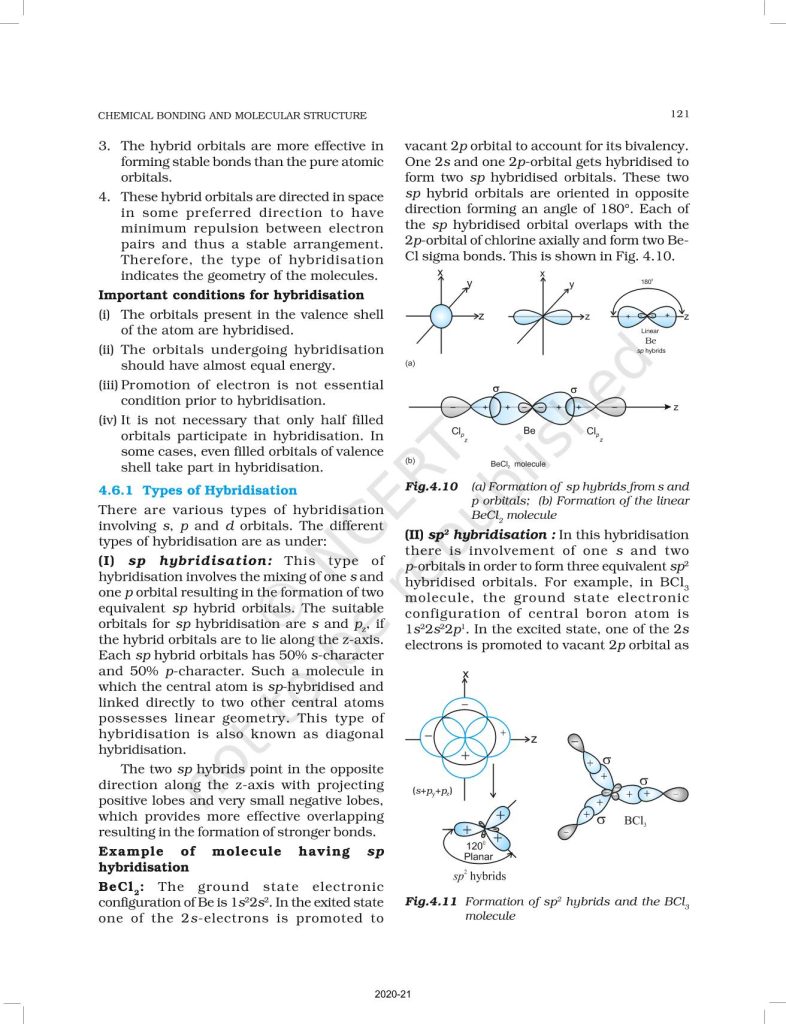
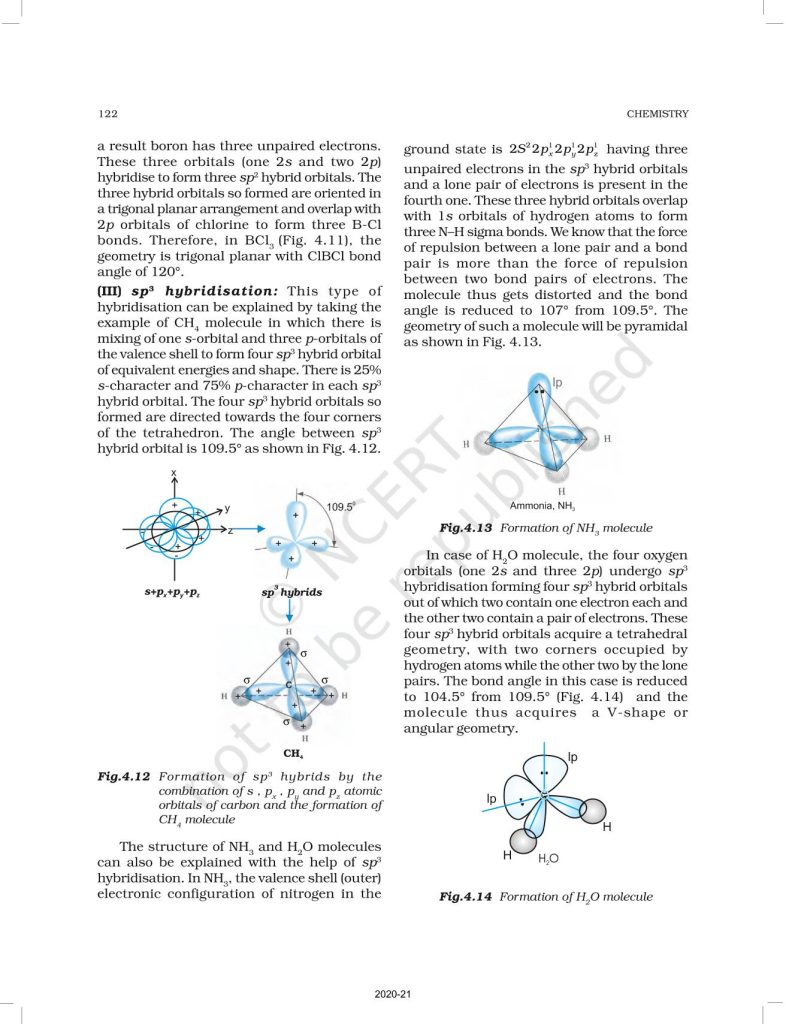
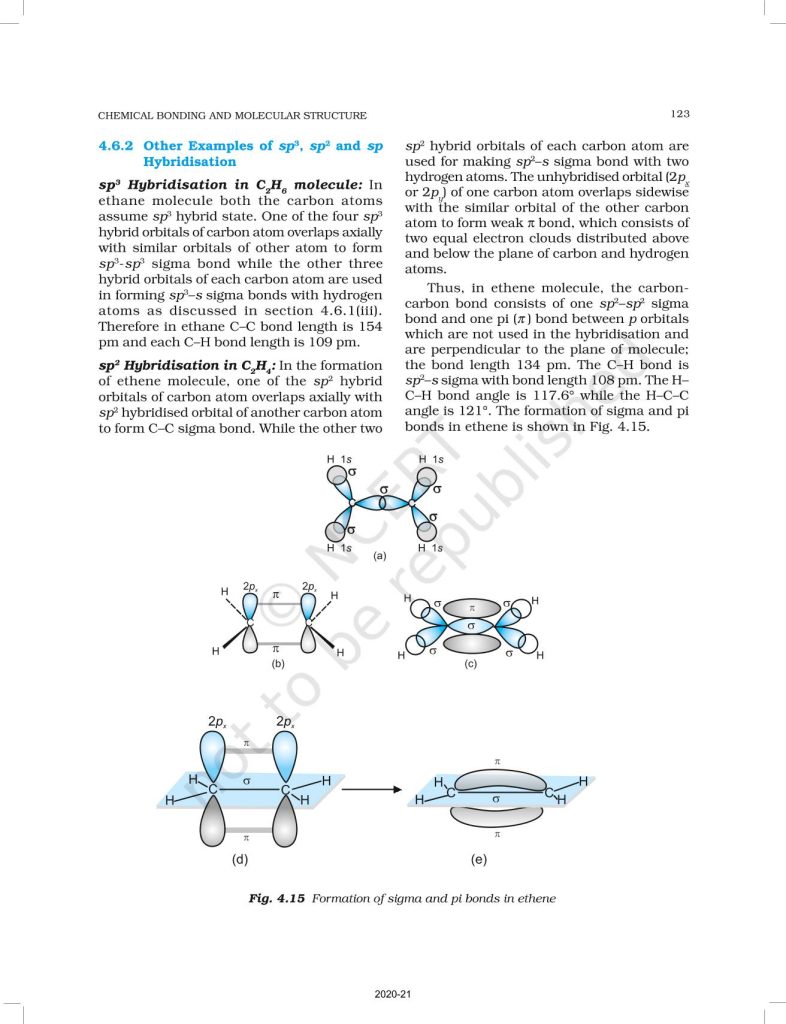
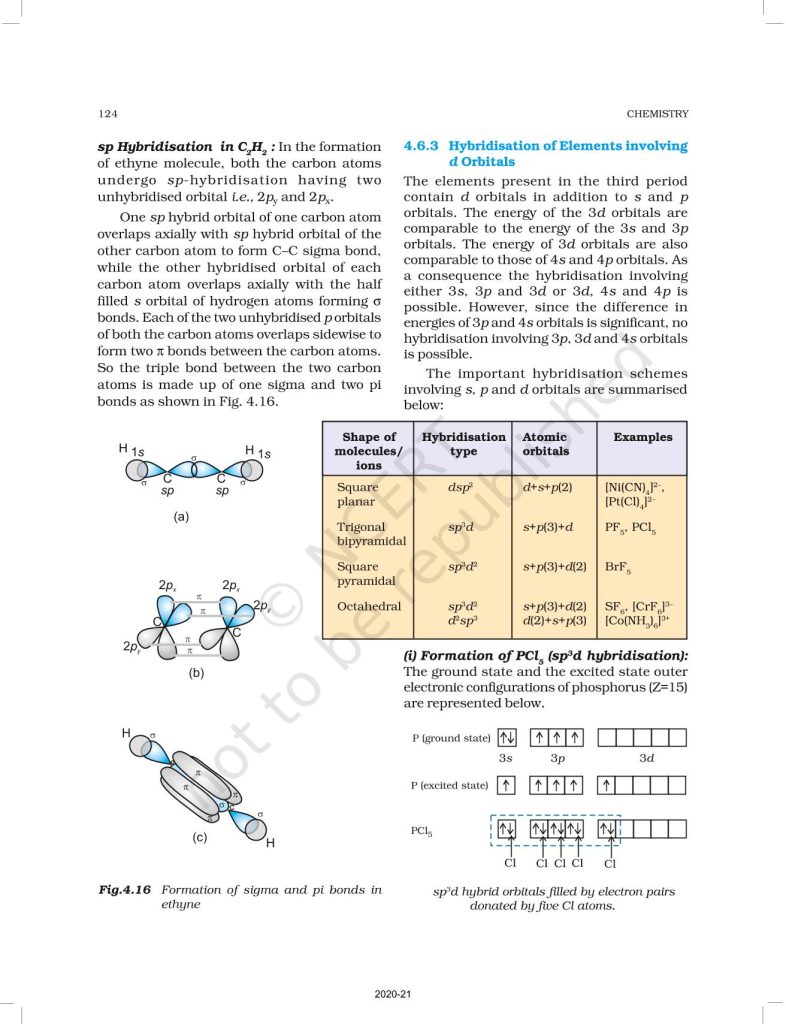
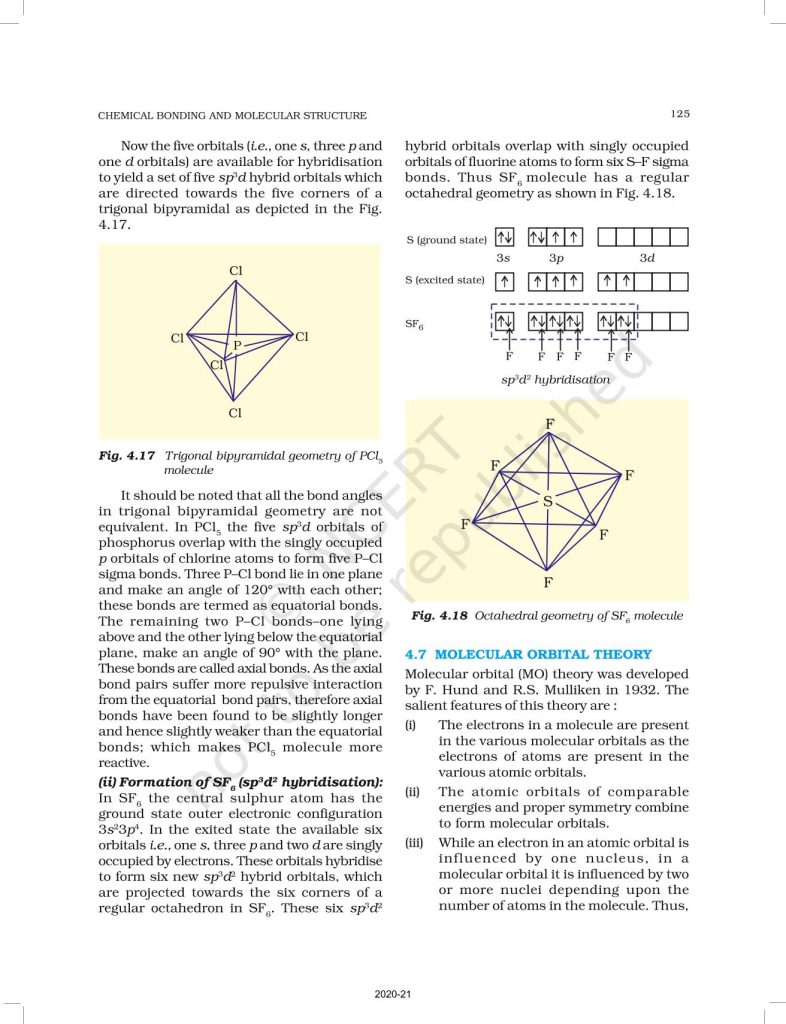
Students learn about VSEPR theory to predict molecular shapes, valence bond theory, and different types of hybridization (sp, sp², sp³, sp³d, sp³d²). The chapter also discusses bond parameters like bond length, bond angle, bond enthalpy, and dipole moment. This topic is fundamental for understanding chemistry and is highly important for CBSE board exams, NEET, and JEE preparation.
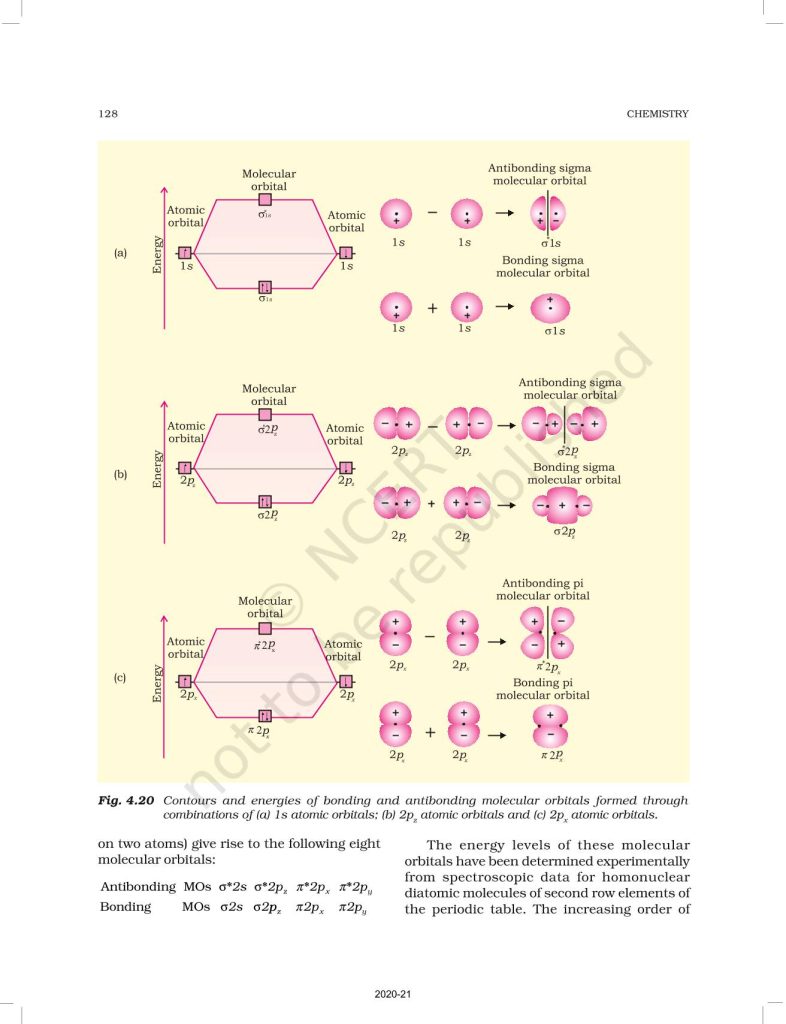
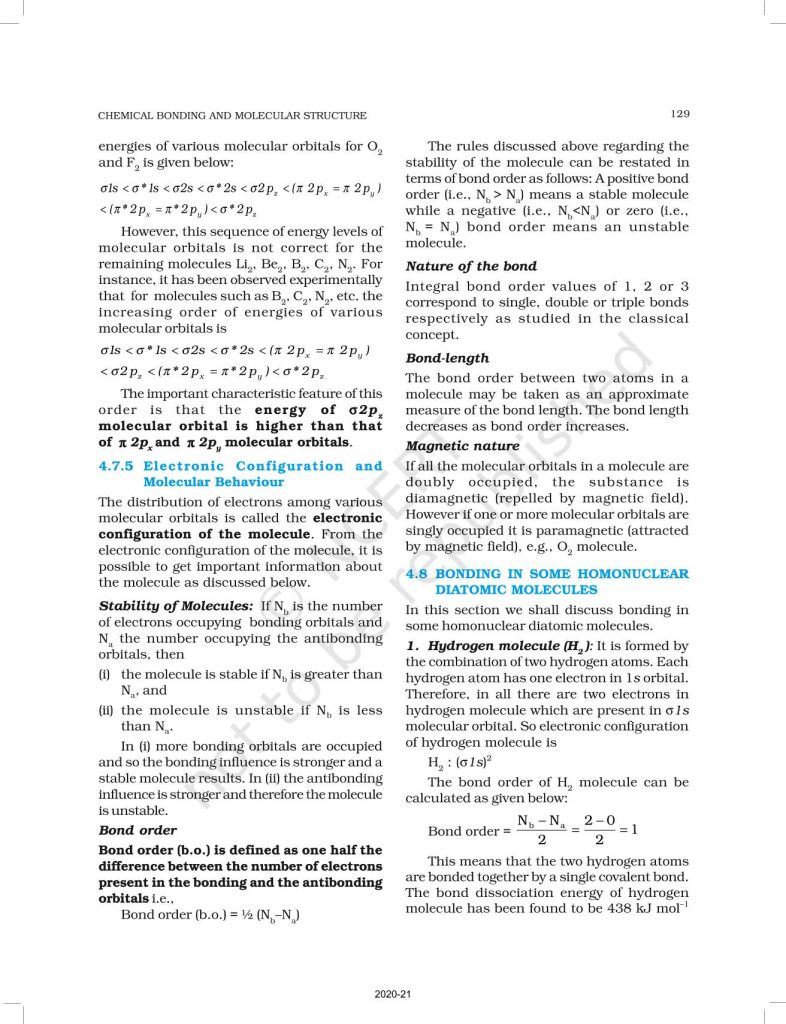
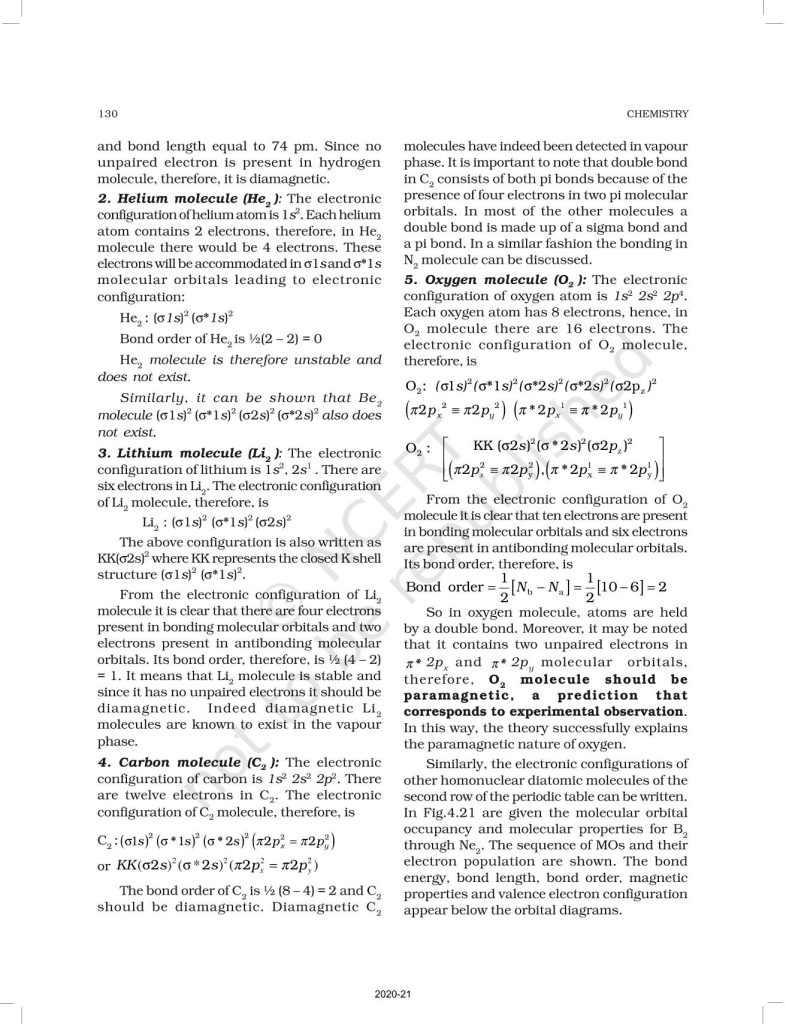
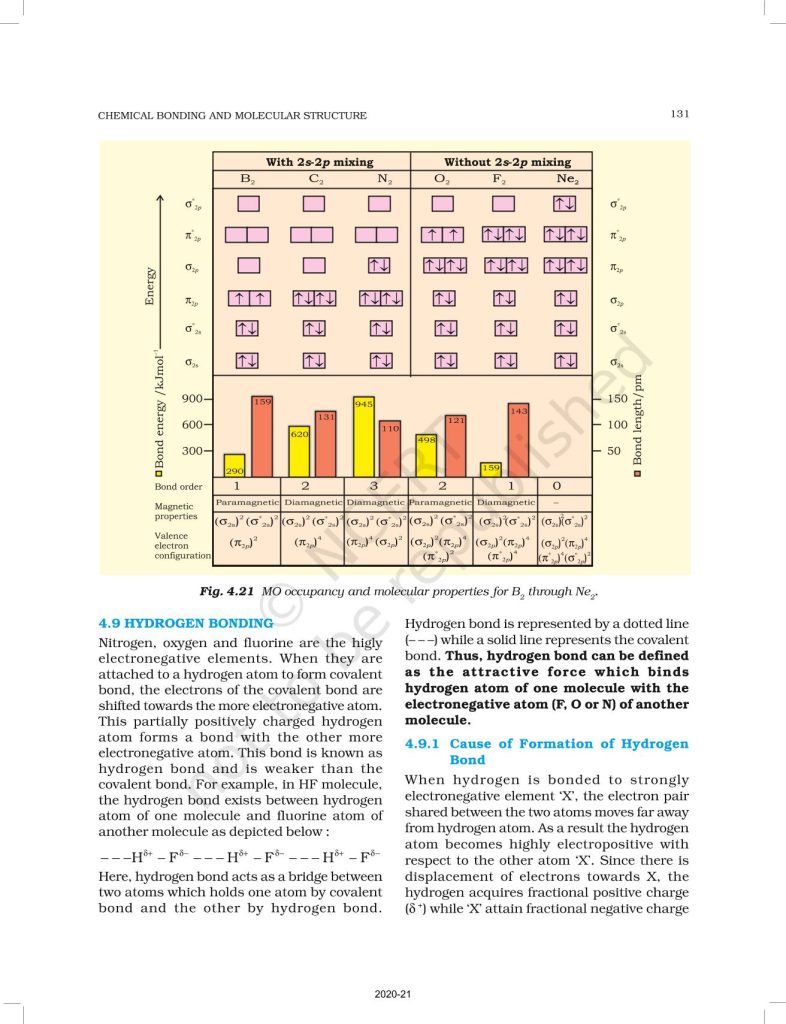
Chemical Bonding and Molecular Structure NCERT
Student doubts & questions
Stuck on this chapter? Ask below and get help from tutors and fellow students.