Chapter 14 – Respiration In Plants
Respiration in Plants is an important chapter in Class 11 Biology that explains how plants break down food molecules to release energy required for growth, repair, and maintenance. Unlike photosynthesis, respiration occurs in all living cells and takes place both in the presence and absence of oxygen.
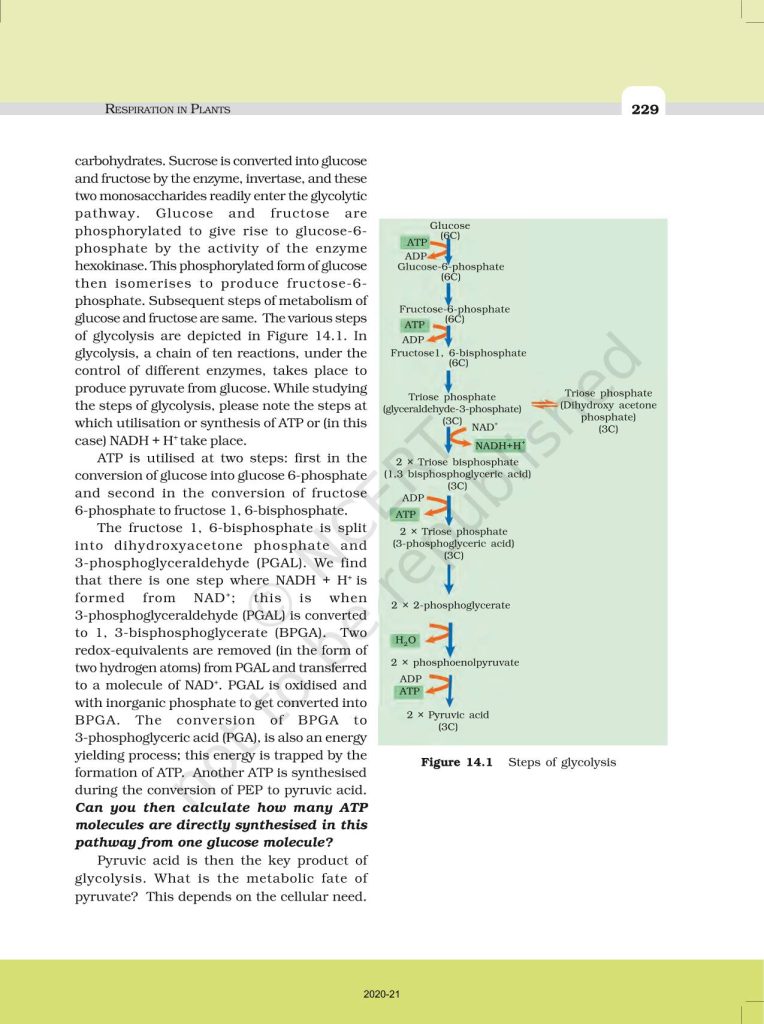
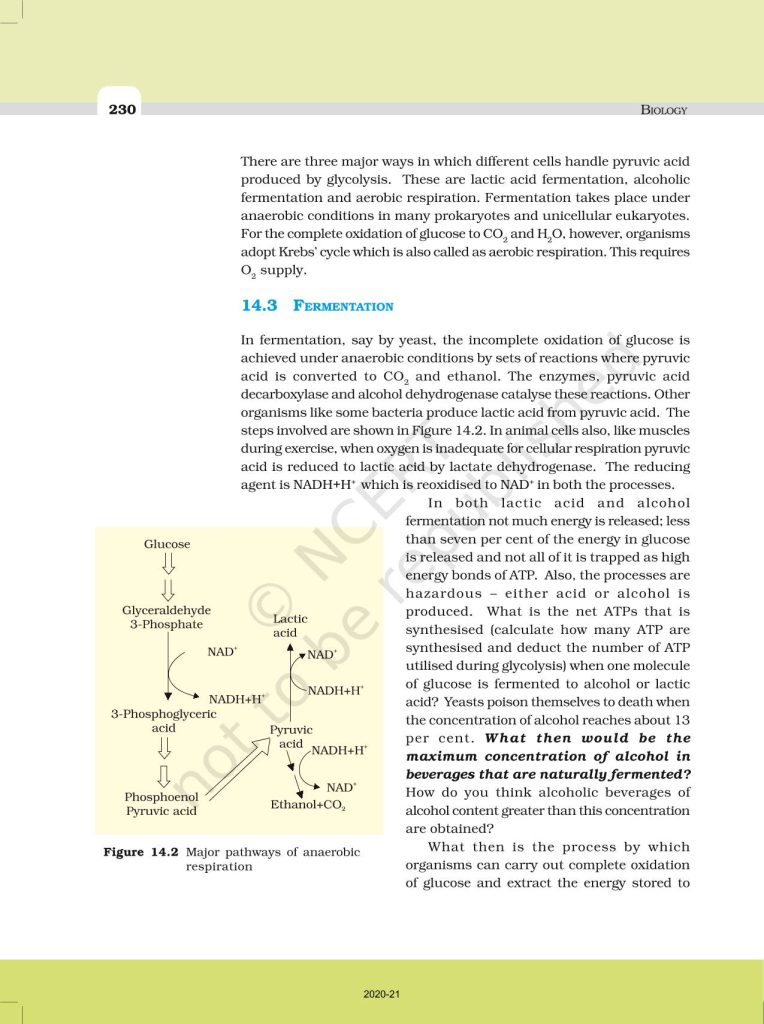
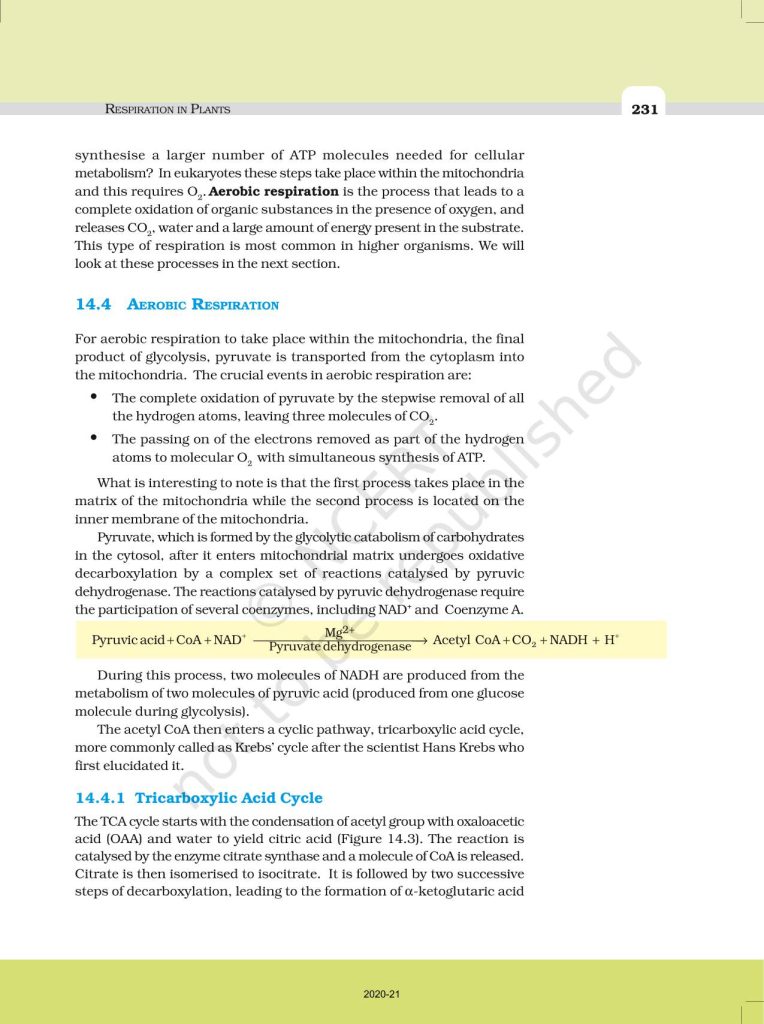
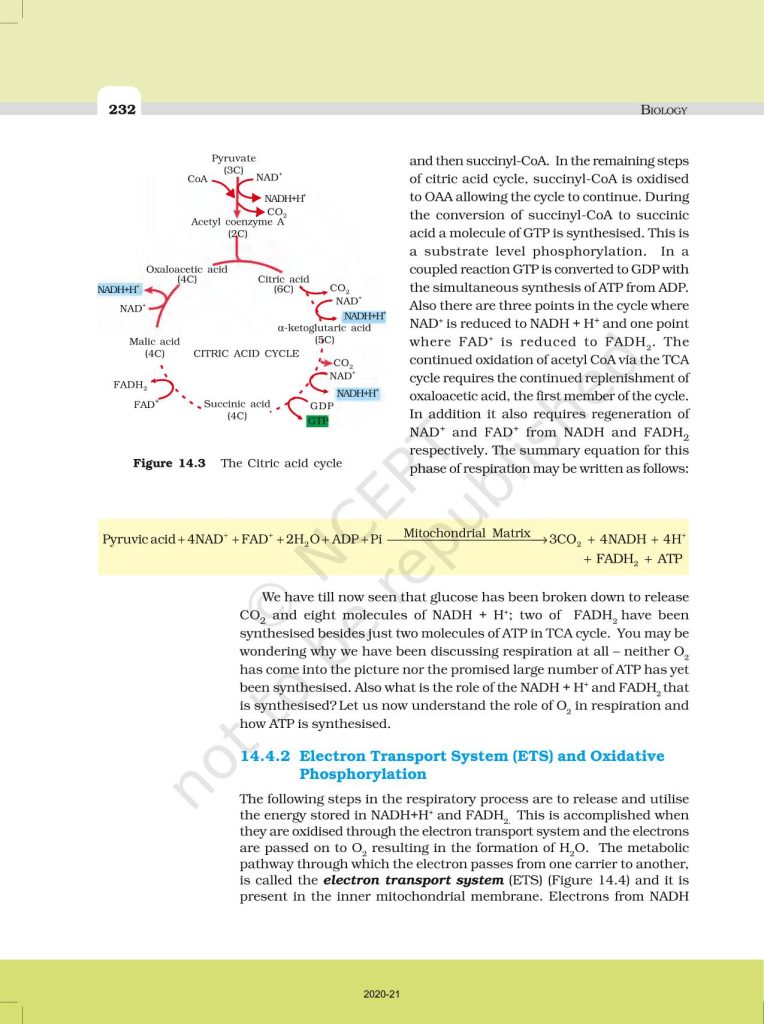
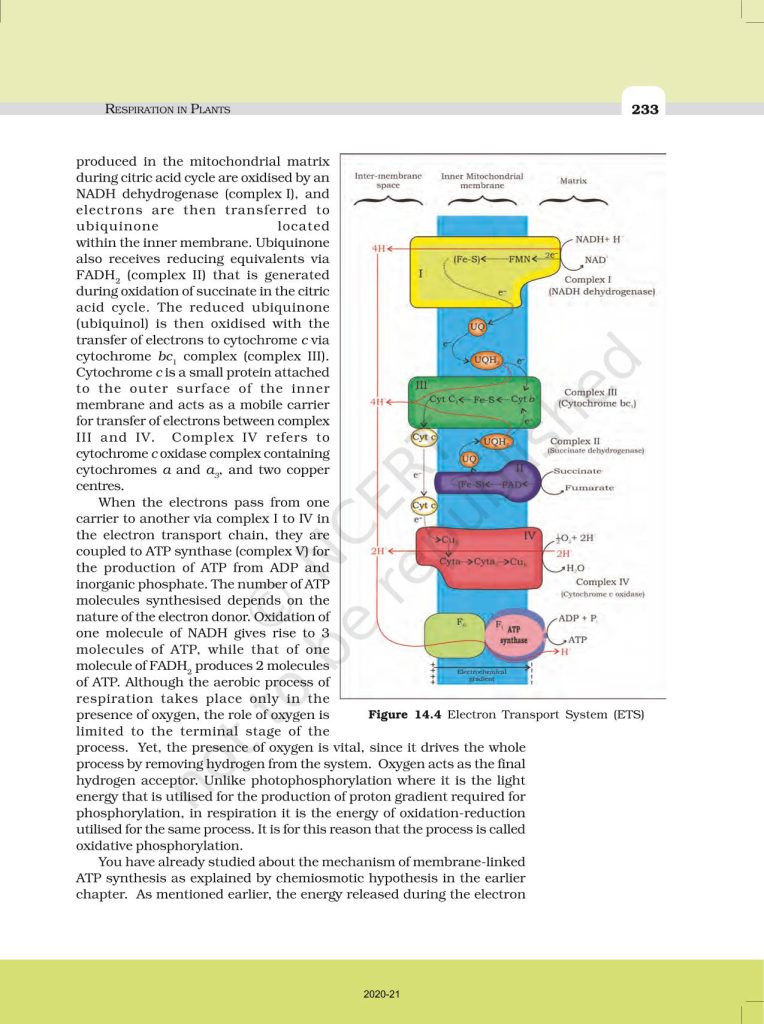
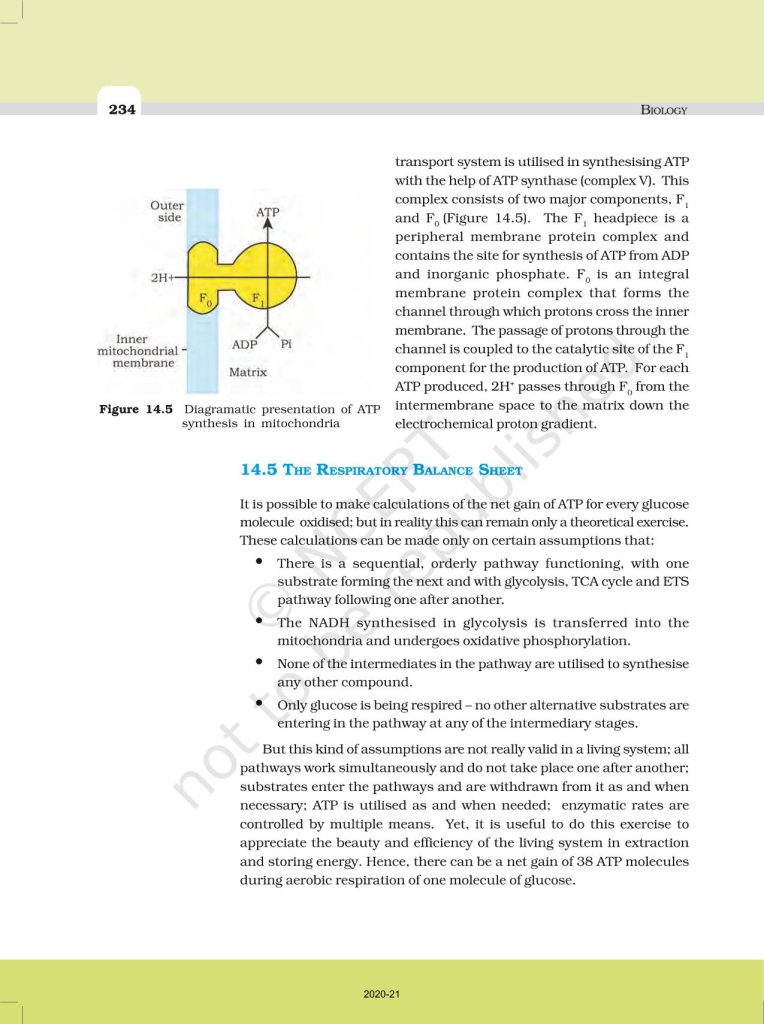
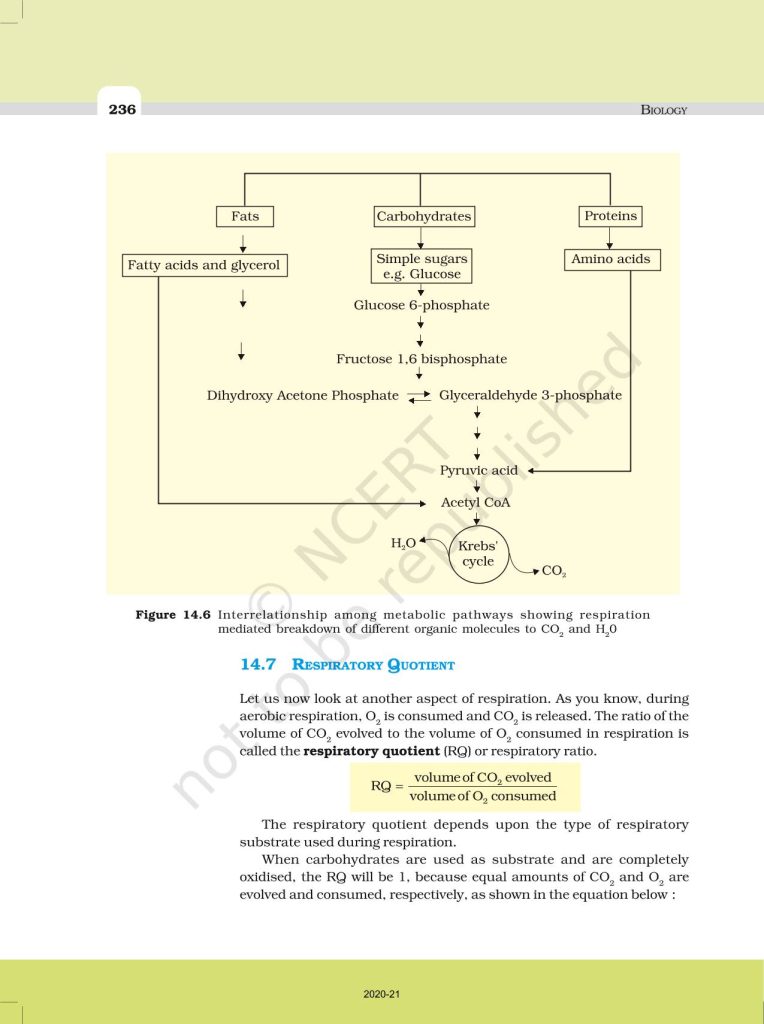
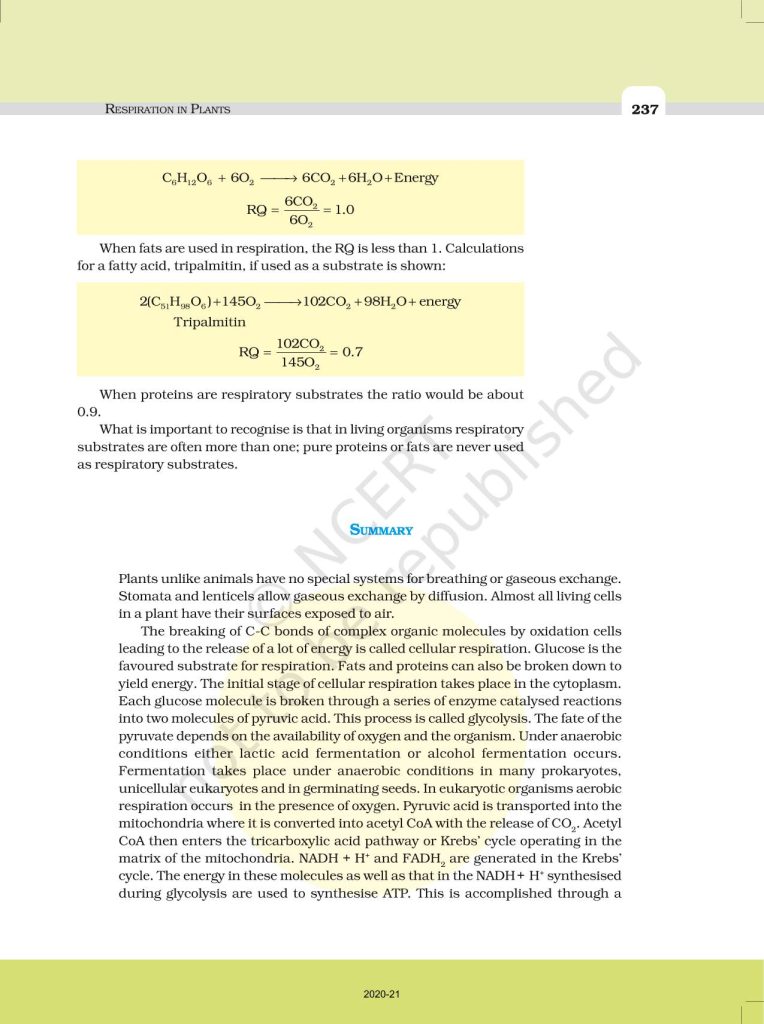
This chapter covers key processes such as glycolysis, Krebs cycle (TCA cycle), and the electron transport chain (ETS), which together form aerobic respiration. It also explains anaerobic respiration (fermentation) and compares it with aerobic respiration. The concept of respiratory quotient (RQ) and the energy yield of ATP during different stages are also discussed.
Understanding respiration is essential to connect how plants produce energy from the food synthesized during photosynthesis, making this chapter crucial for CBSE board exams and NEET preparation.
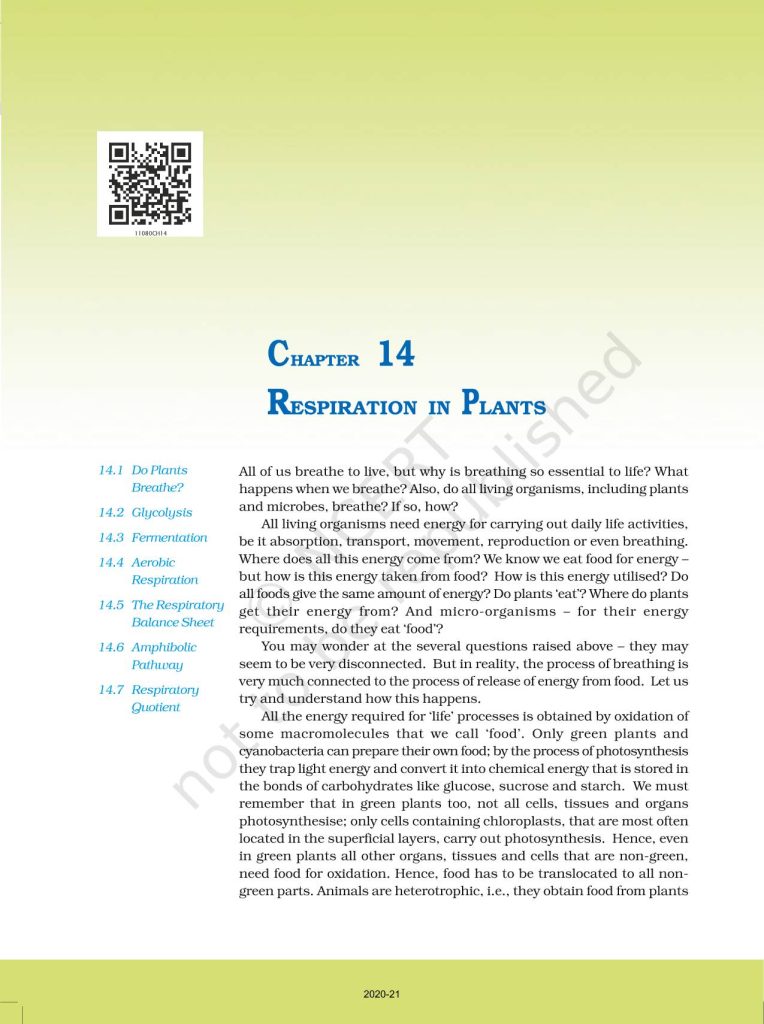
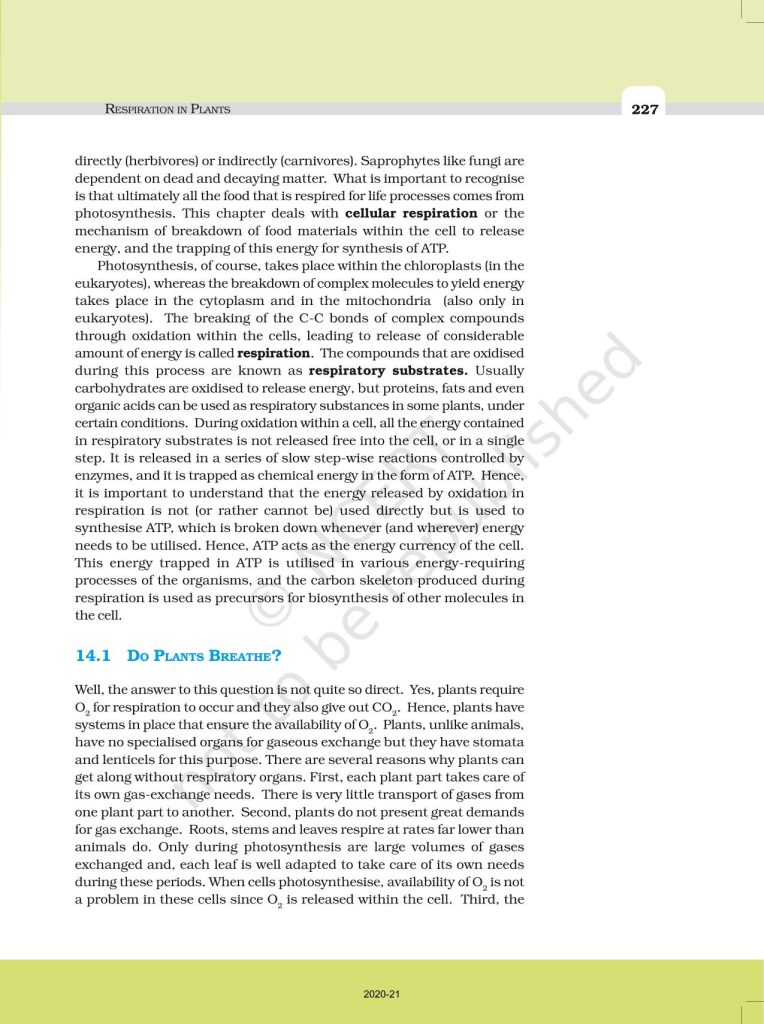
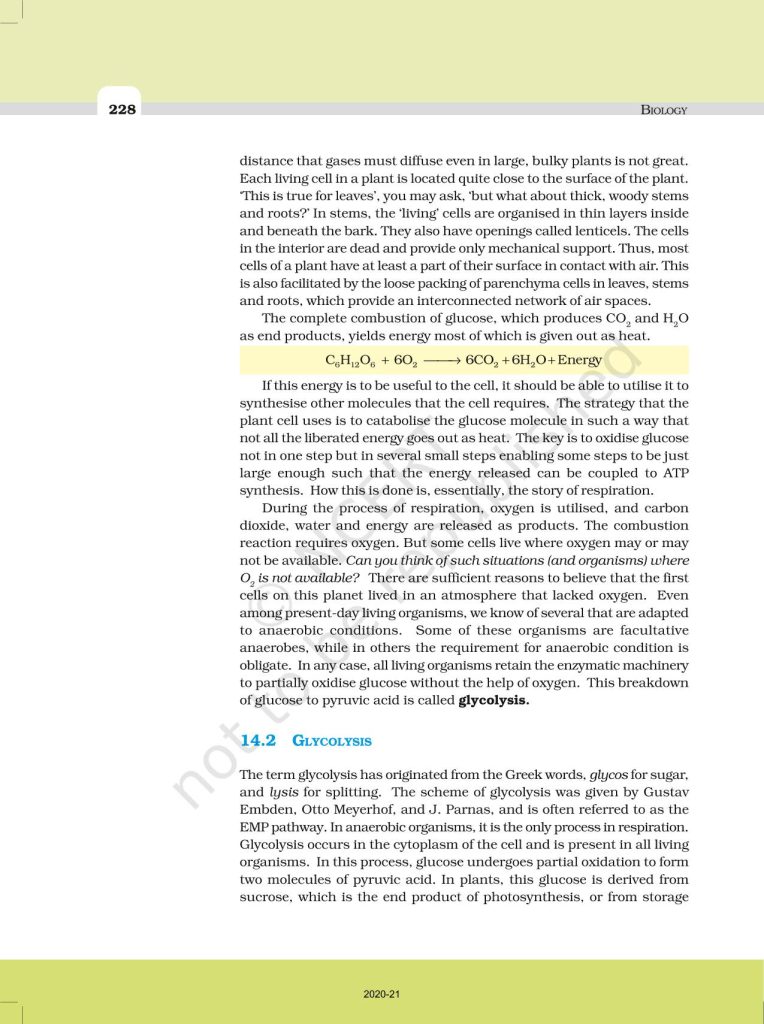
Respiration in Plants NCERT
Student doubts & questions
Stuck on this chapter? Ask below and get help from tutors and fellow students.