Chapter 15 – Plant Growth And Development
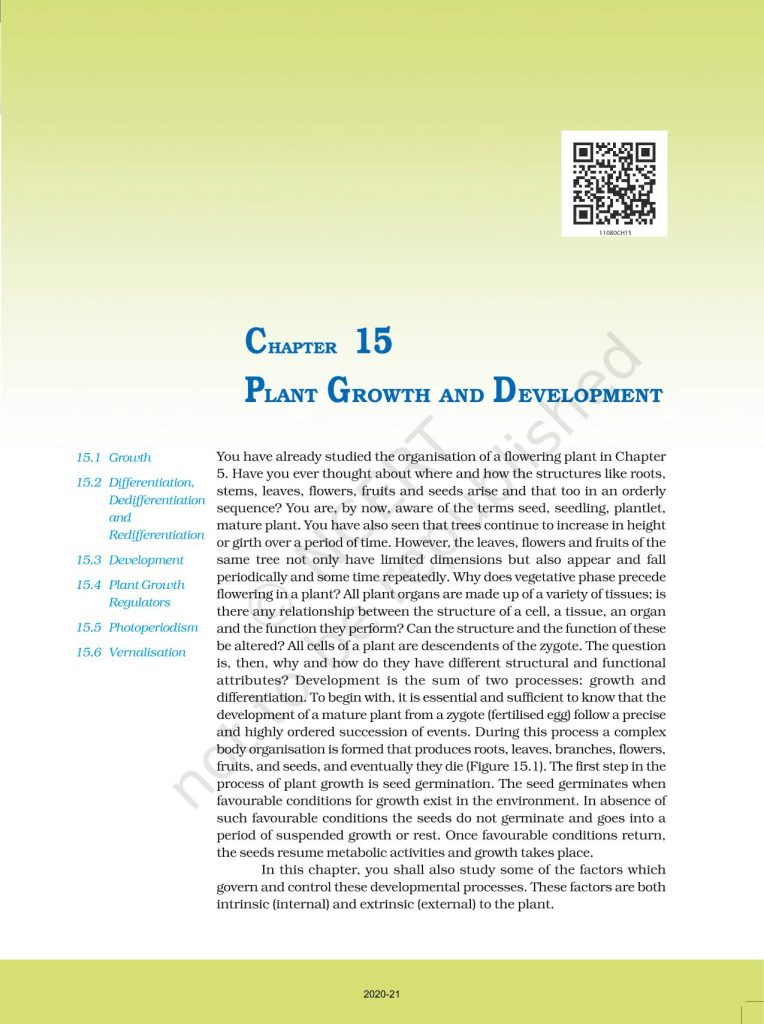
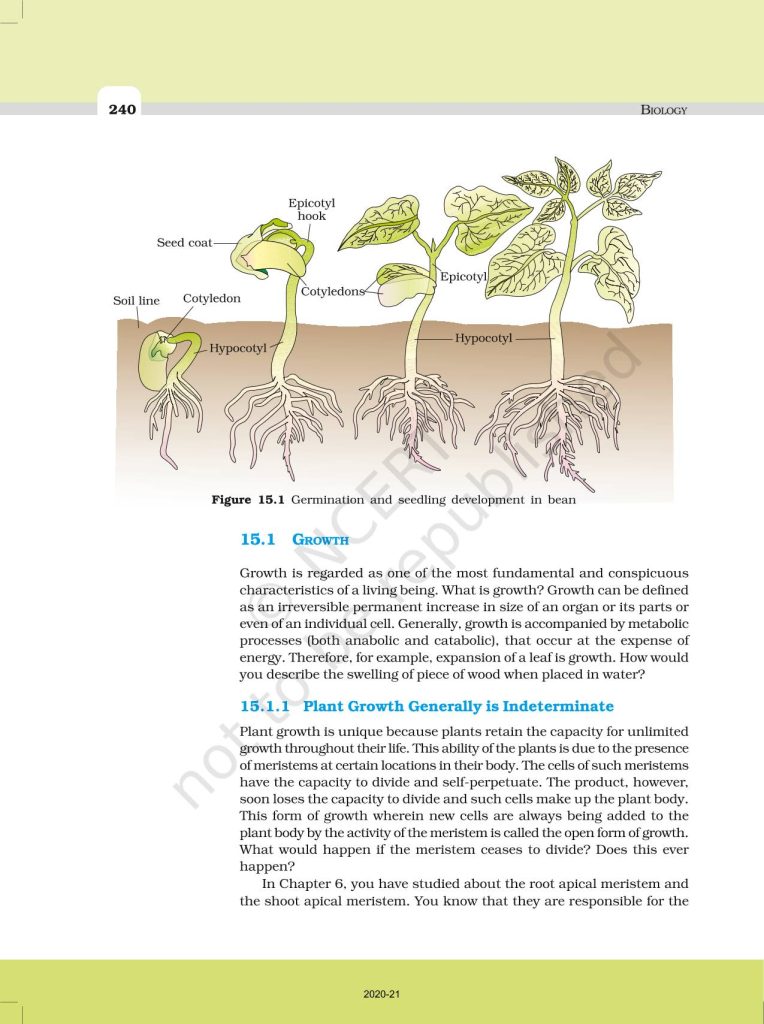
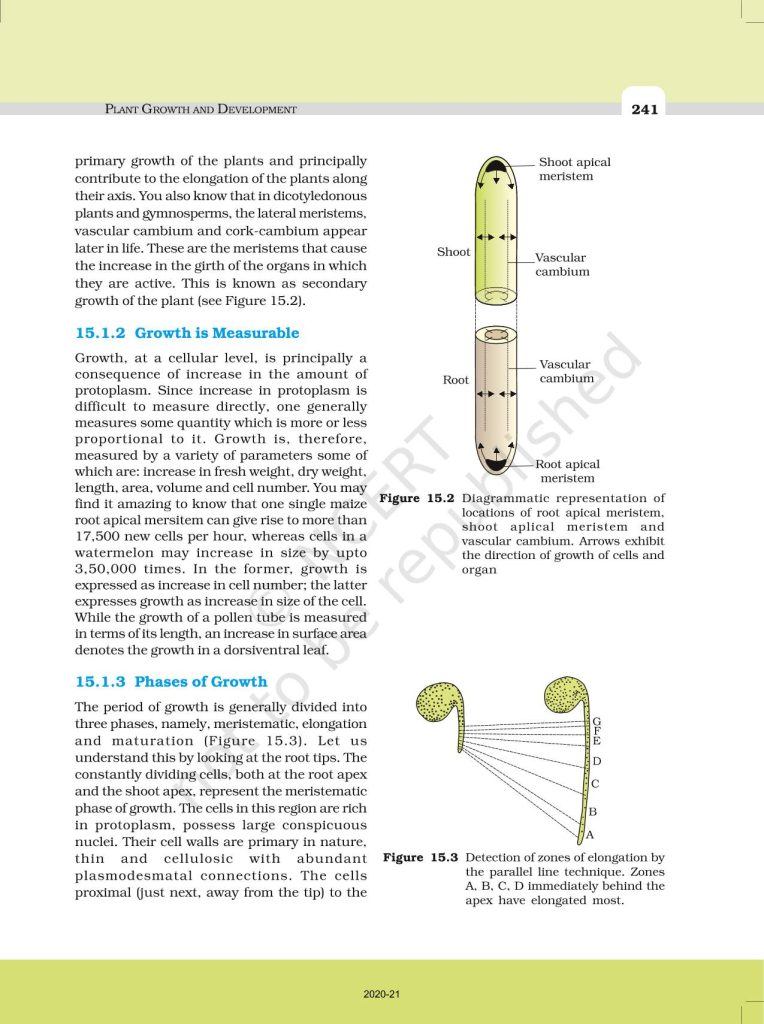
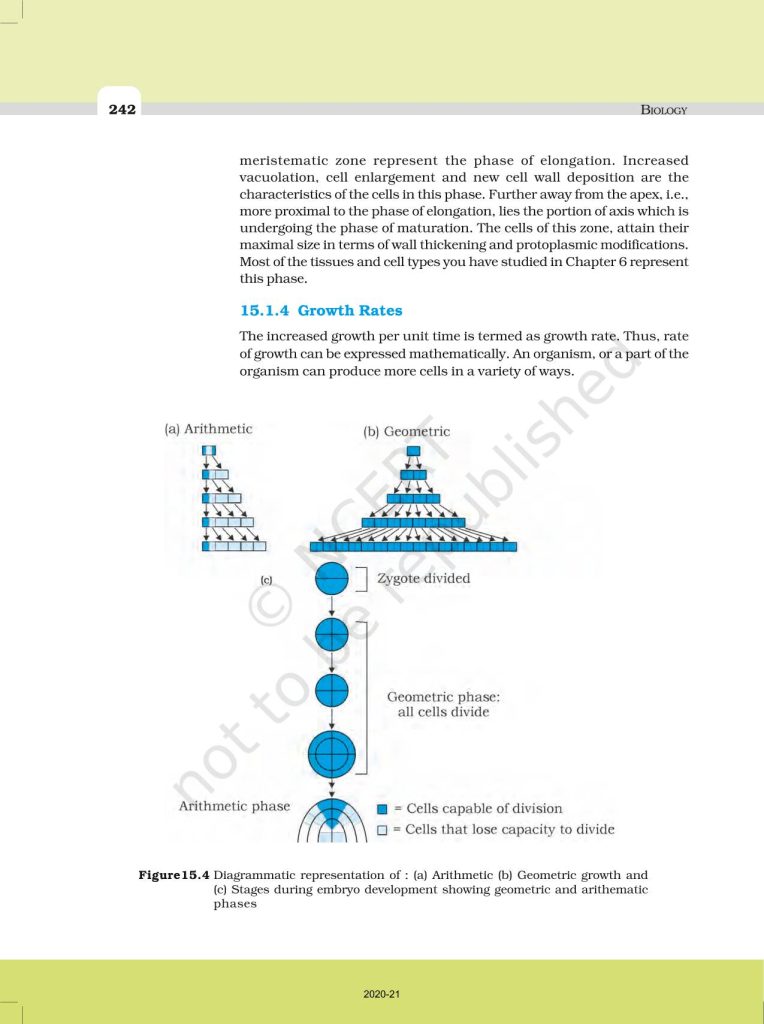
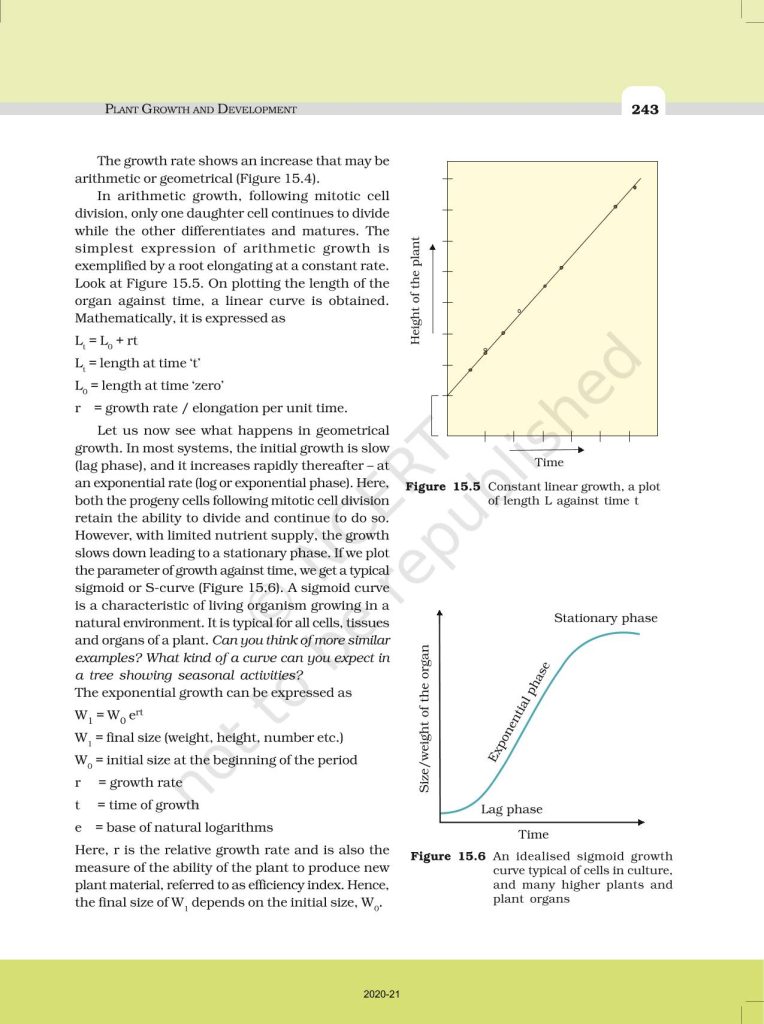
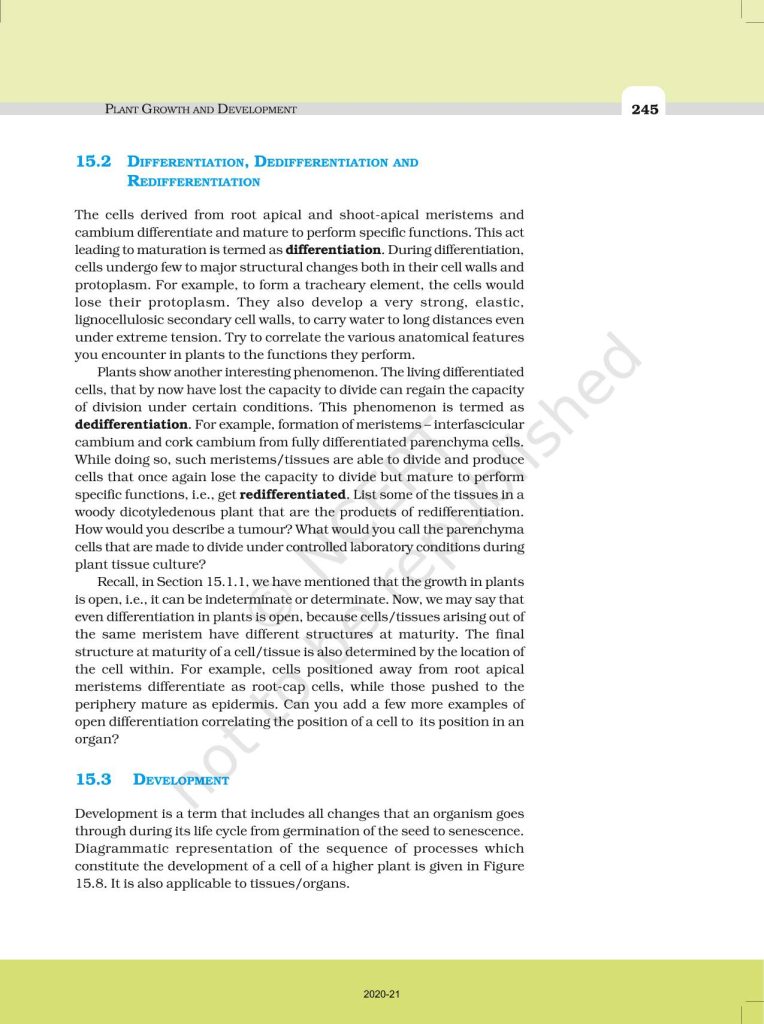
Plant Growth and Development is an important chapter in Class 11 Biology that explains how plants grow, differentiate, and develop throughout their life cycle. Plant growth is a permanent and irreversible increase in size due to cell division, elongation, and differentiation, mainly occurring in meristematic tissues.
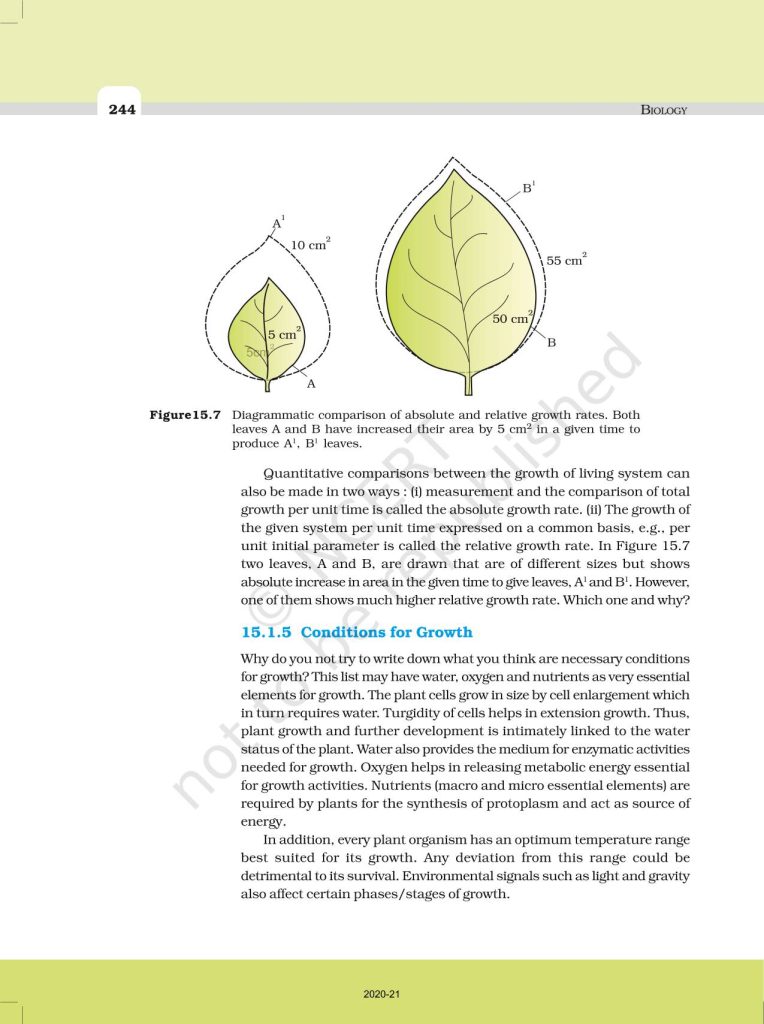
This chapter covers key concepts such as phases of growth (lag, log/exponential, and stationary phase), growth rate, and conditions for growth. It also explains plant growth regulators (PGRs) including auxins, gibberellins, cytokinins, ethylene, and abscisic acid (ABA), and their role in controlling various physiological processes like flowering, fruit ripening, dormancy, and seed germination.
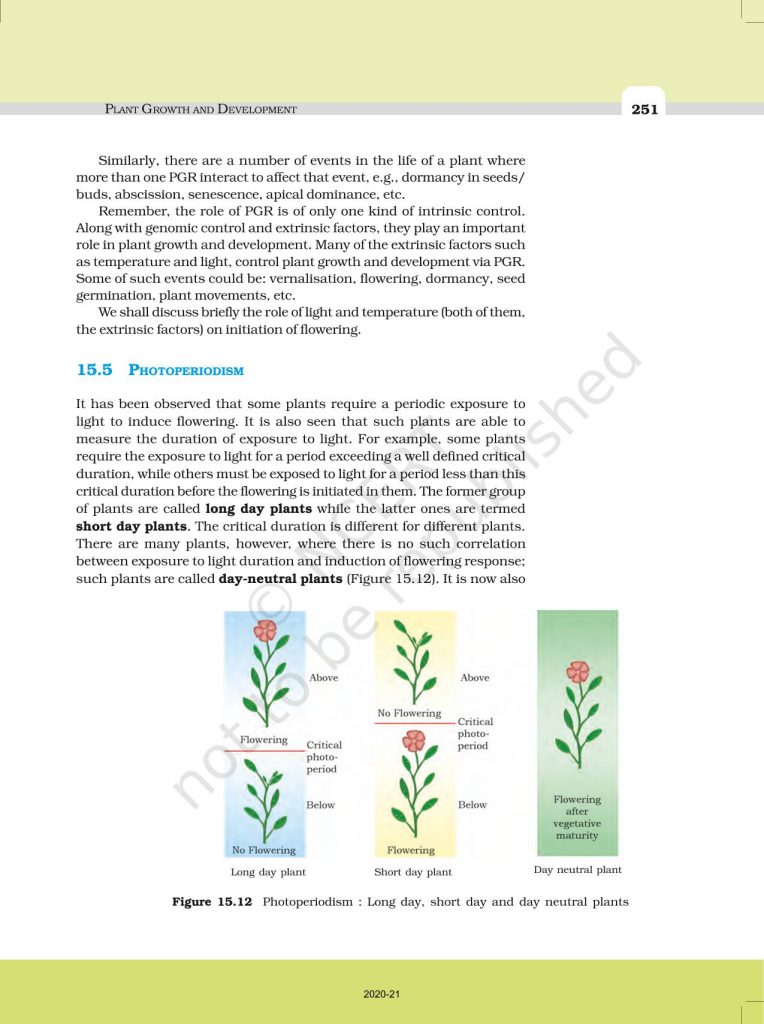
The chapter further discusses photoperiodism, vernalization, and seed dormancy, which are essential for understanding plant responses to environmental factors. This topic is highly important for CBSE board exams and competitive exams like NEET, as it forms the foundation of plant physiology.
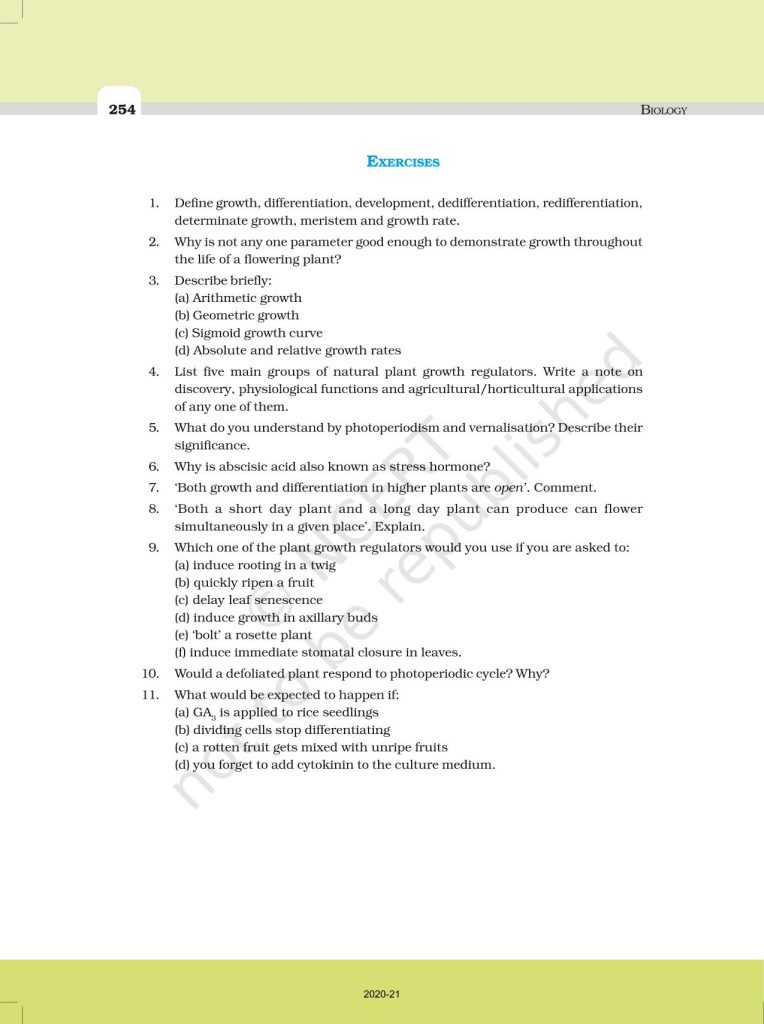
Plant growth and development ncert
Student doubts & questions
Stuck on this chapter? Ask below and get help from tutors and fellow students.