Chapter 5 – Organic Chemistry – Some Basic Principles & Techniques
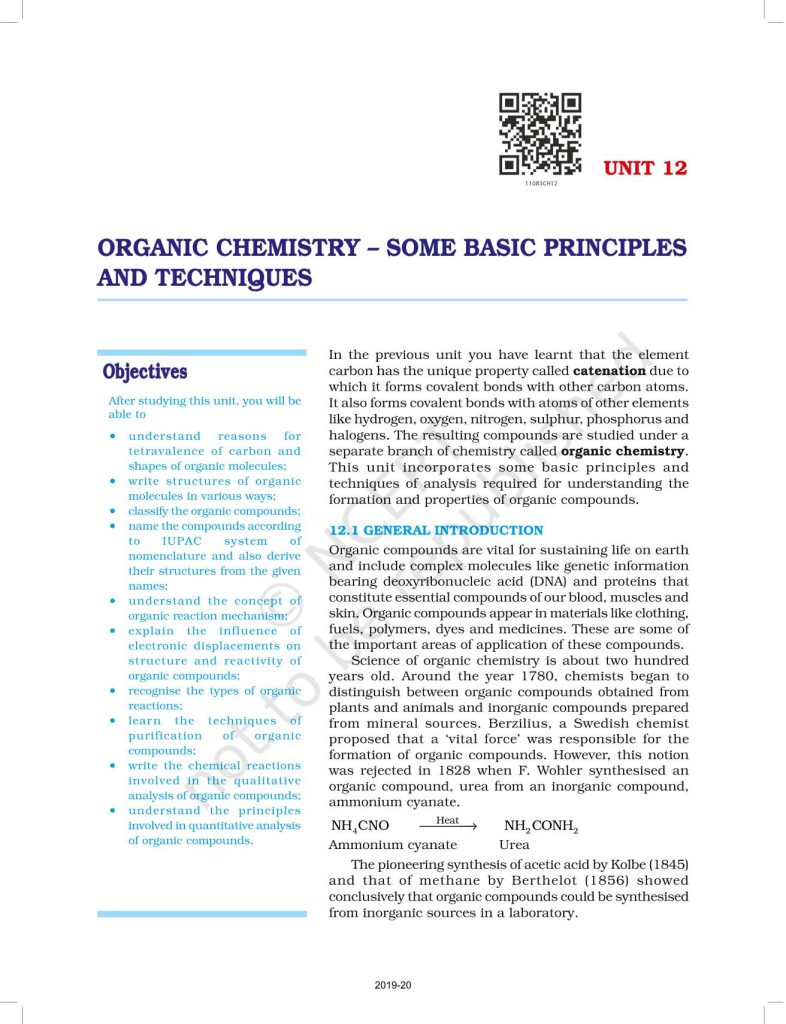
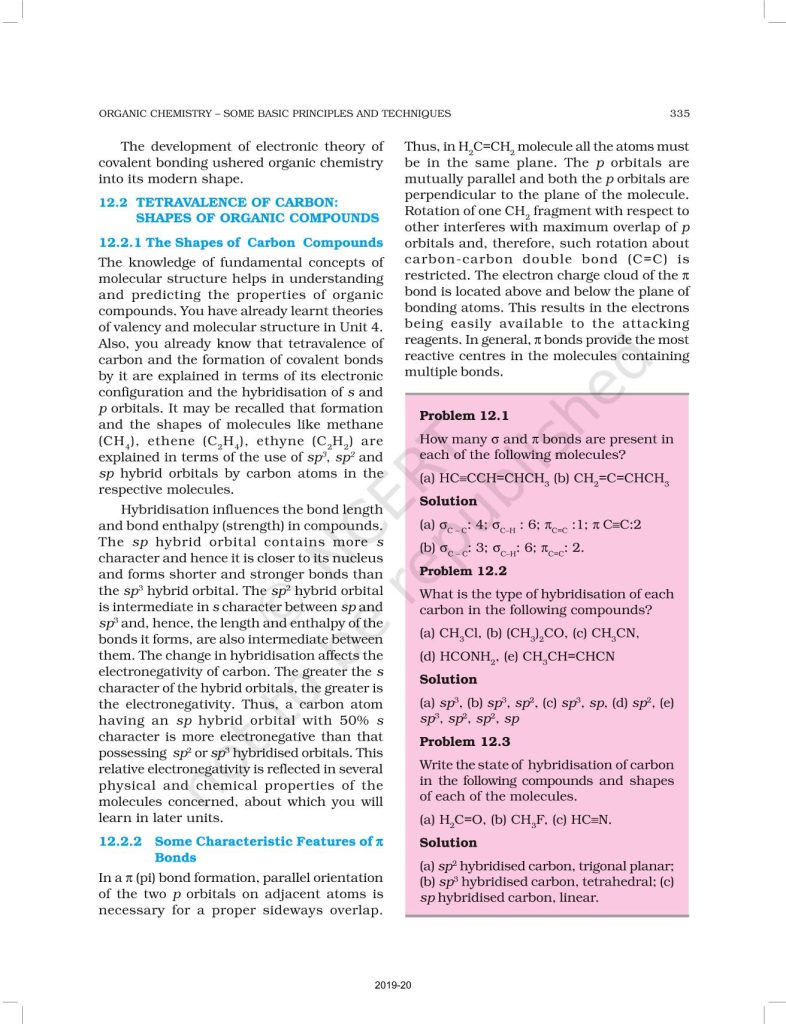
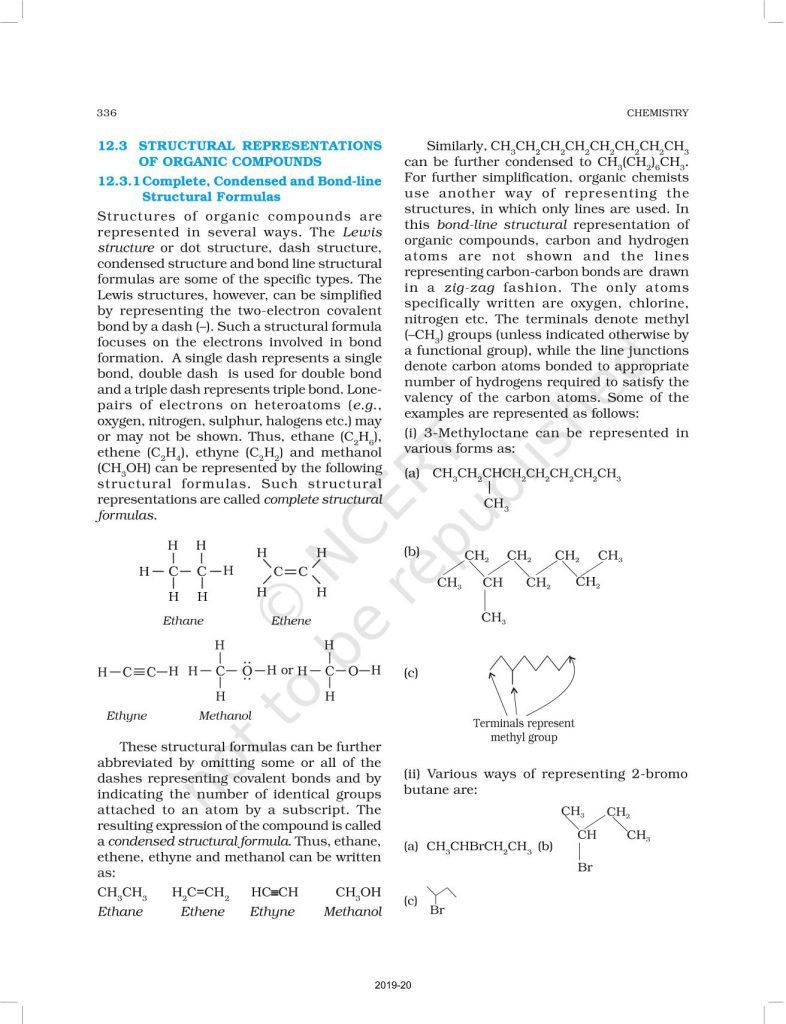
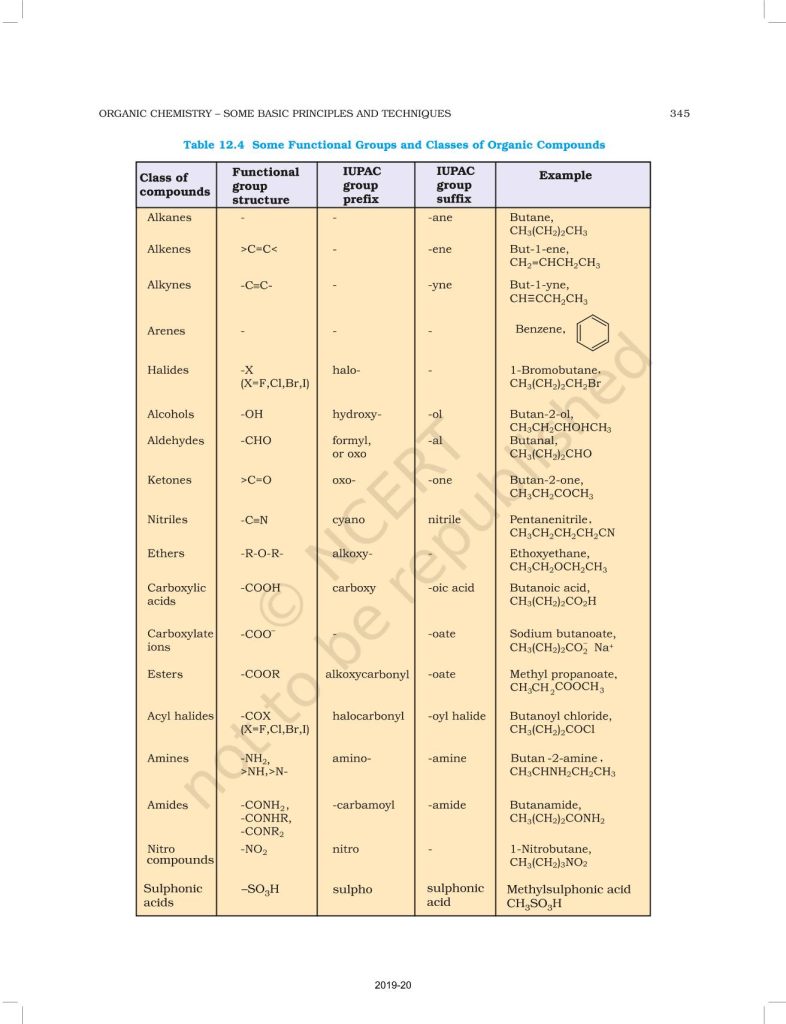
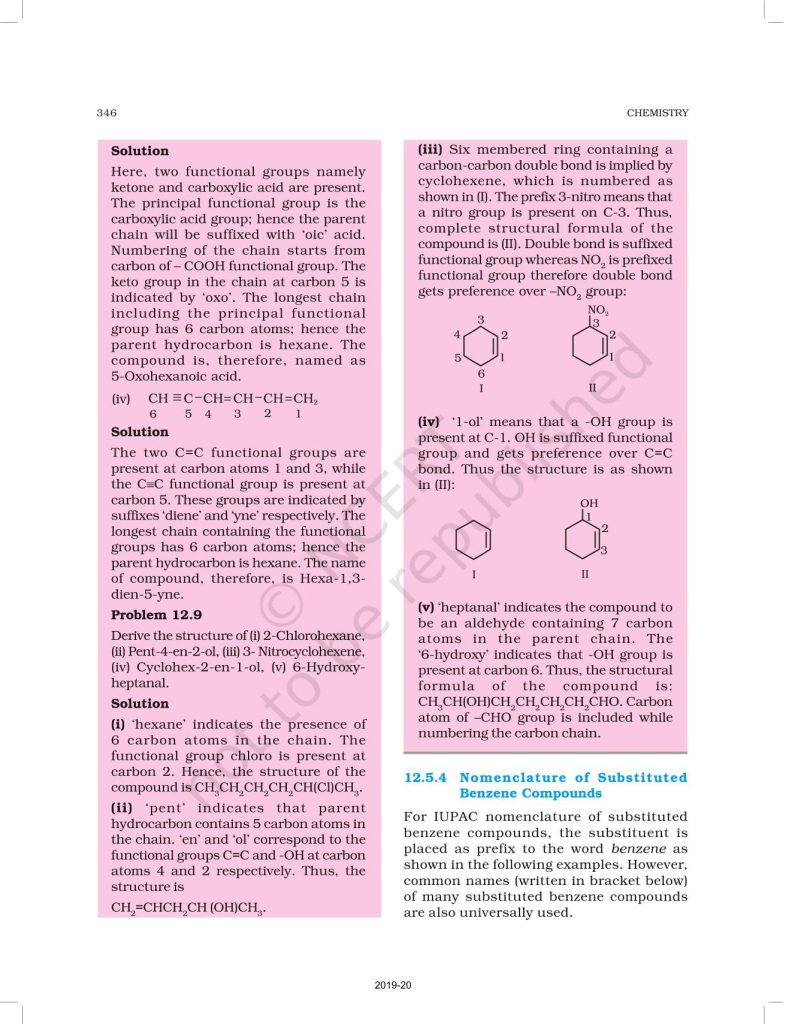
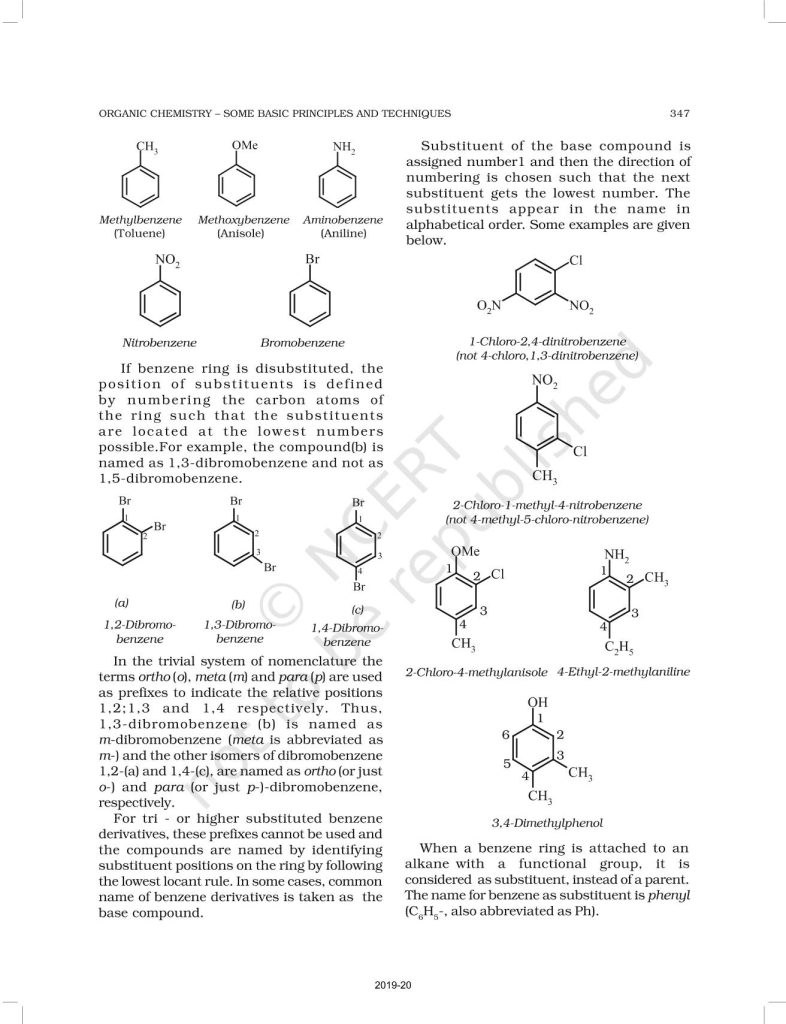
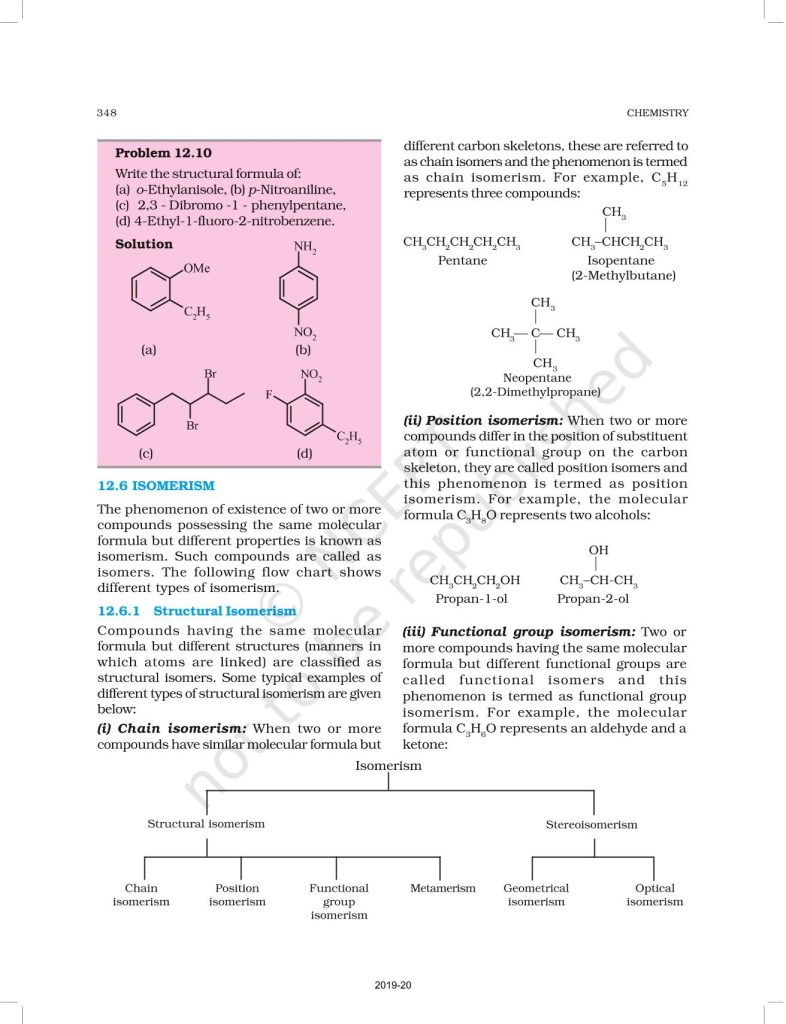
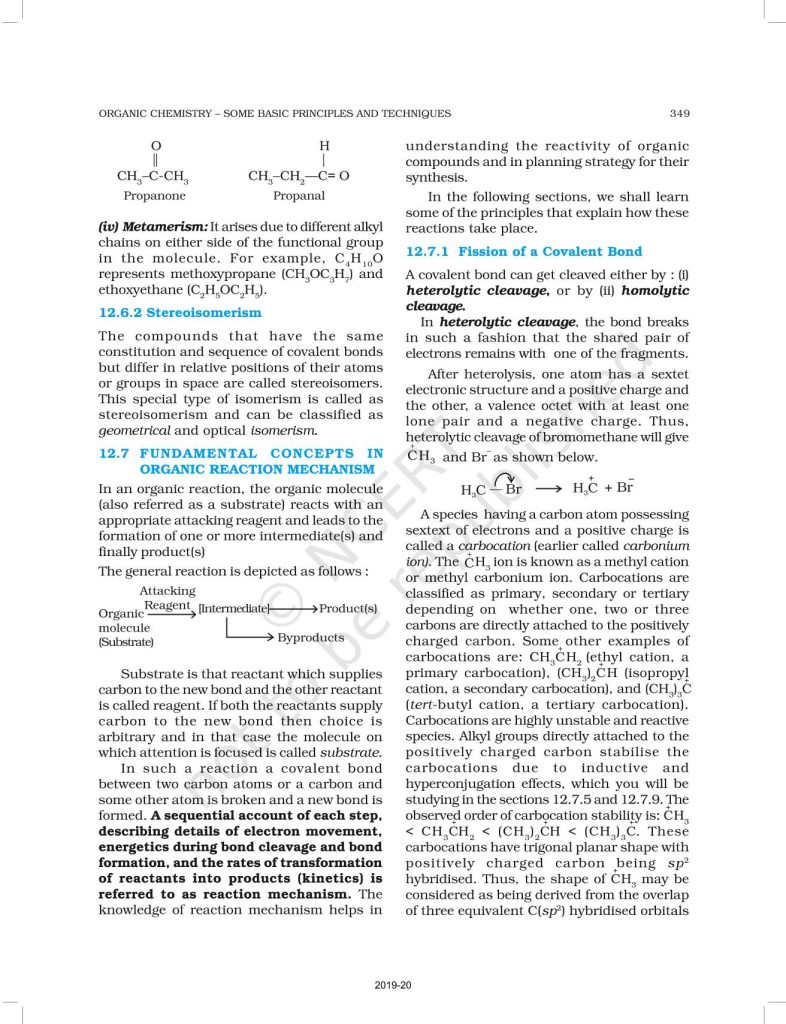
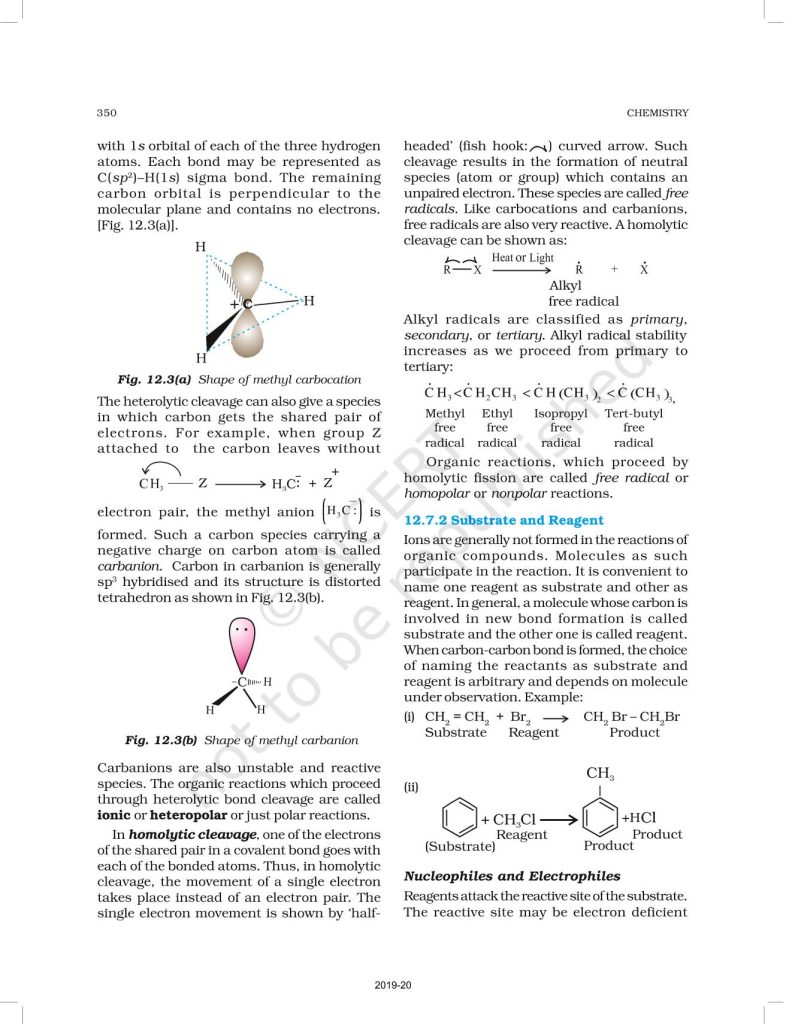
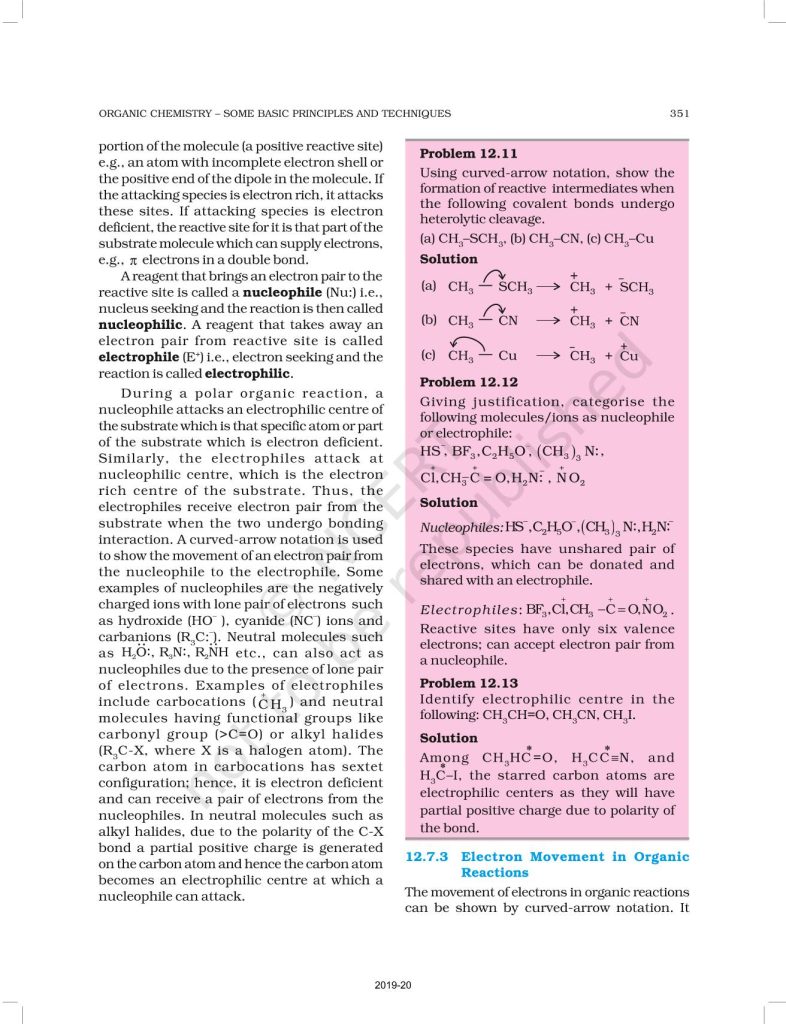
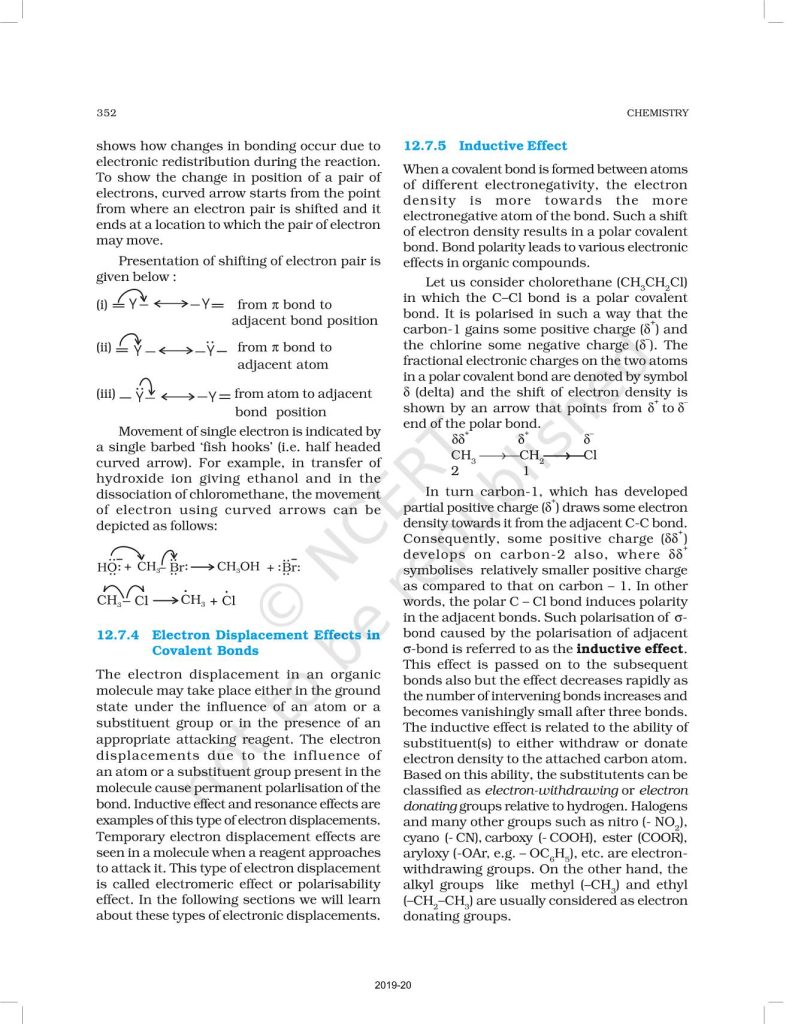
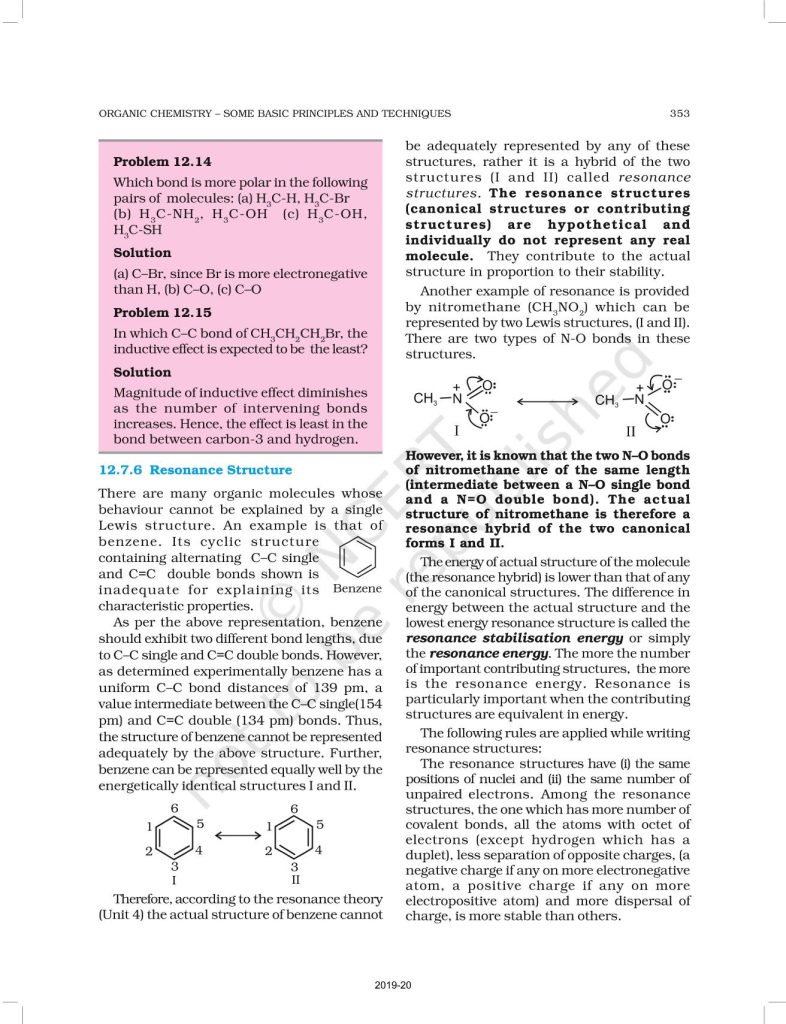
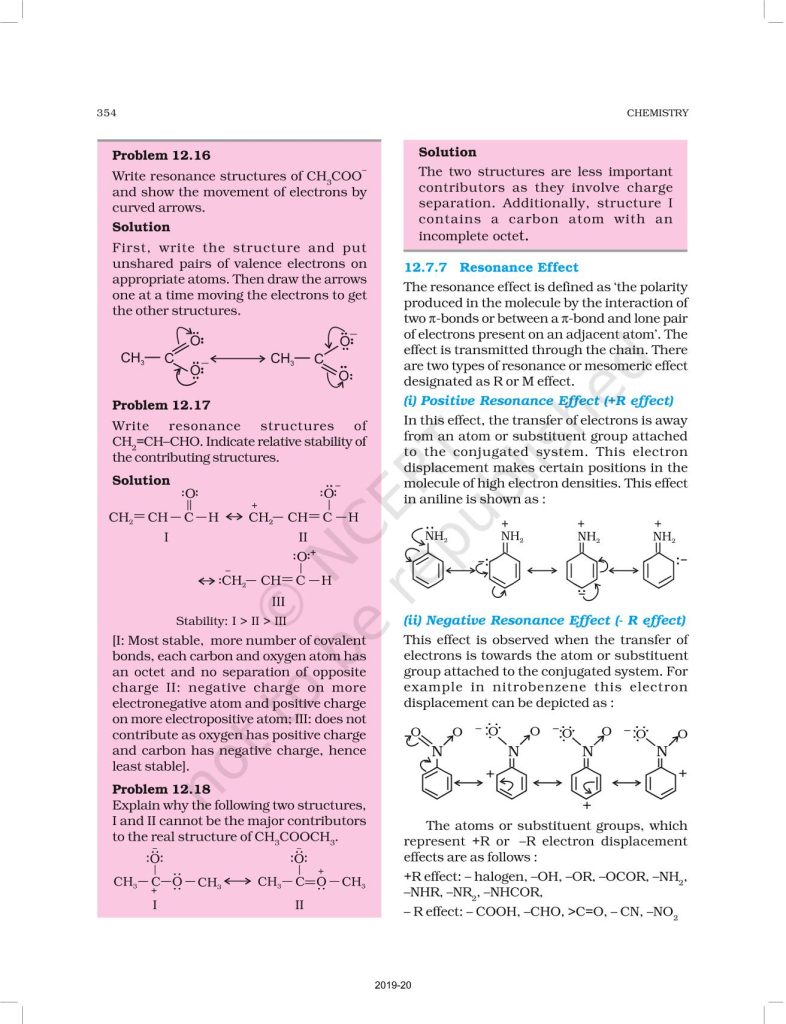
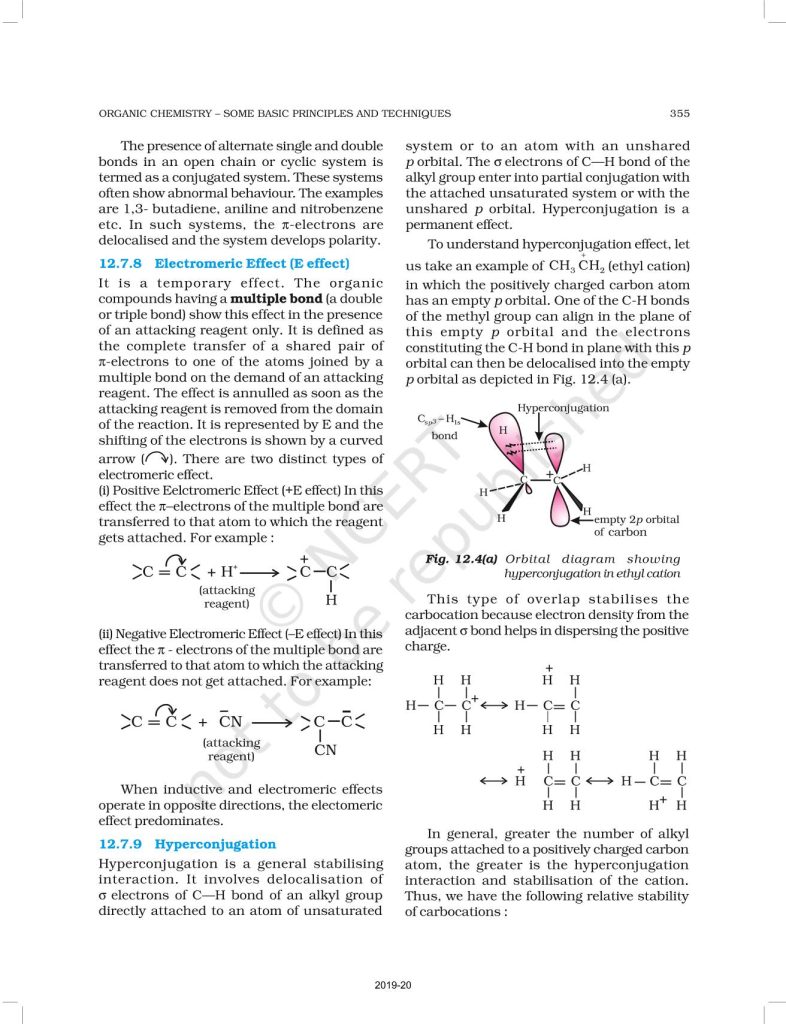
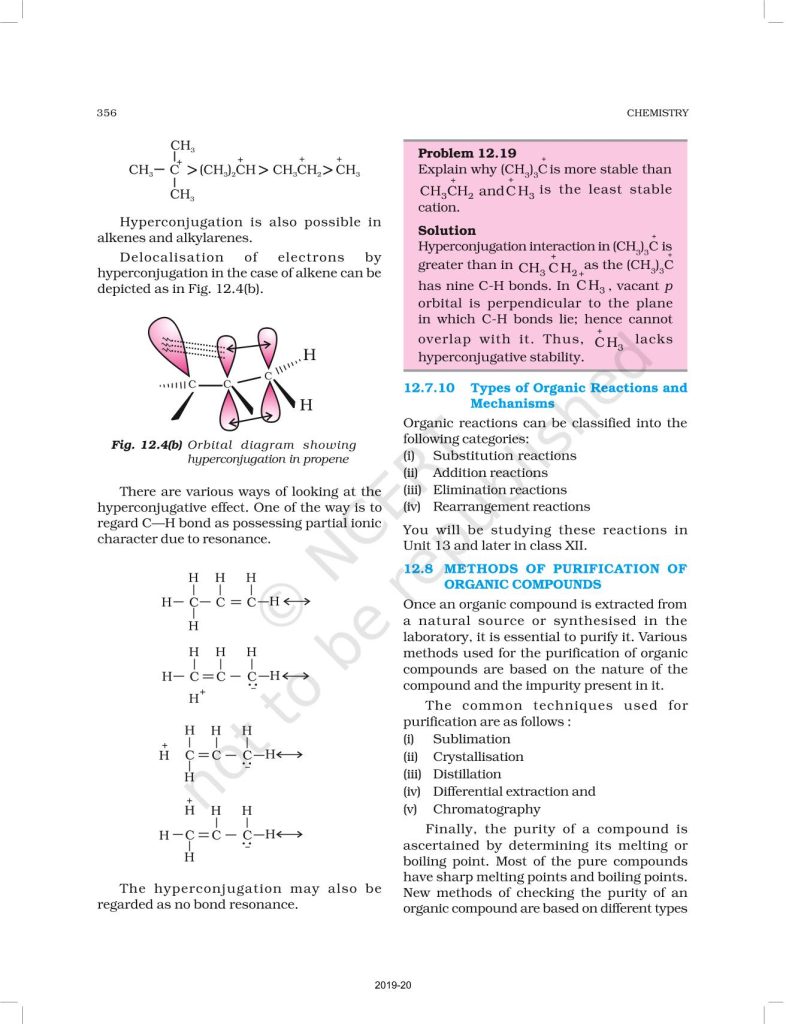
Organic Chemistry: Some Basic Principles & Techniques introduces the fundamentals of organic chemistry. It explains the unique properties of carbon, including catenation, tetravalency, and formation of covalent bonds. The chapter also covers important concepts such as functional groups, homologous series, isomerism, and IUPAC nomenclature, which are essential for naming and identifying organic compounds.
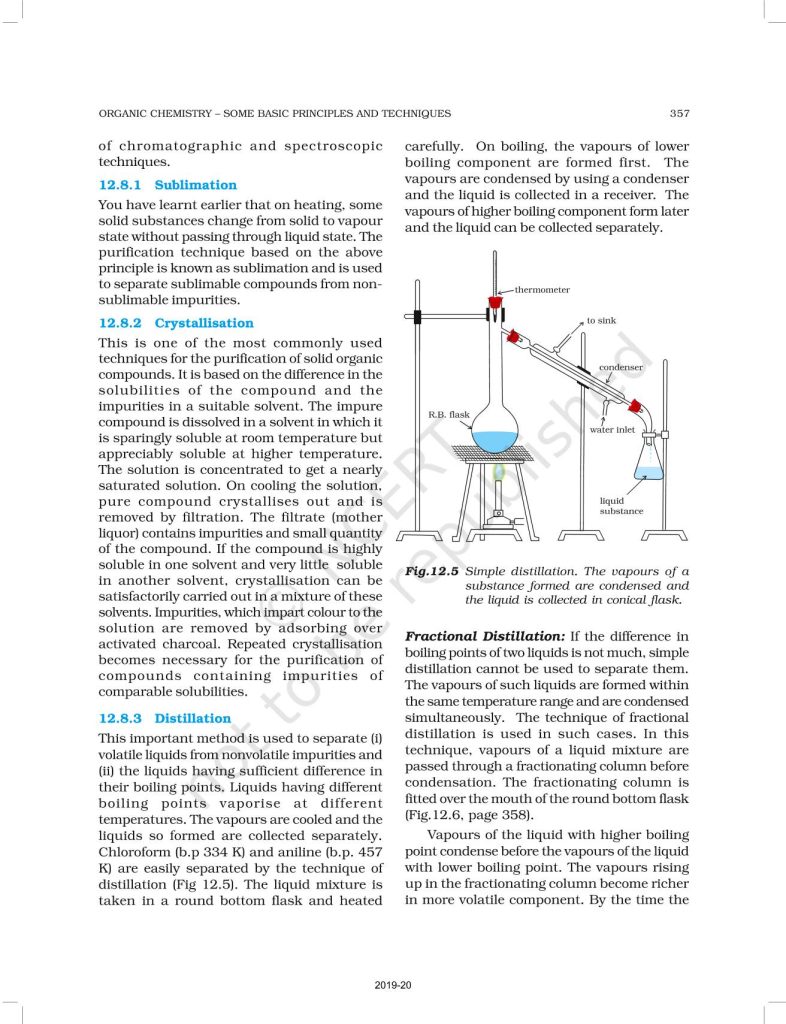
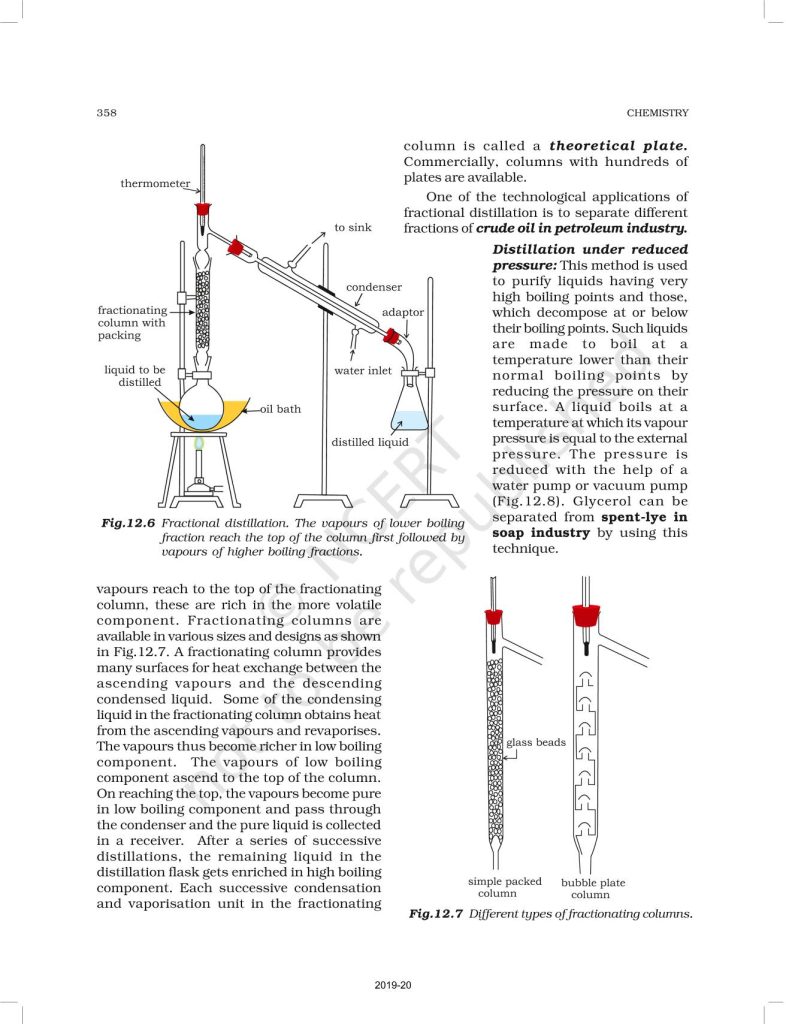
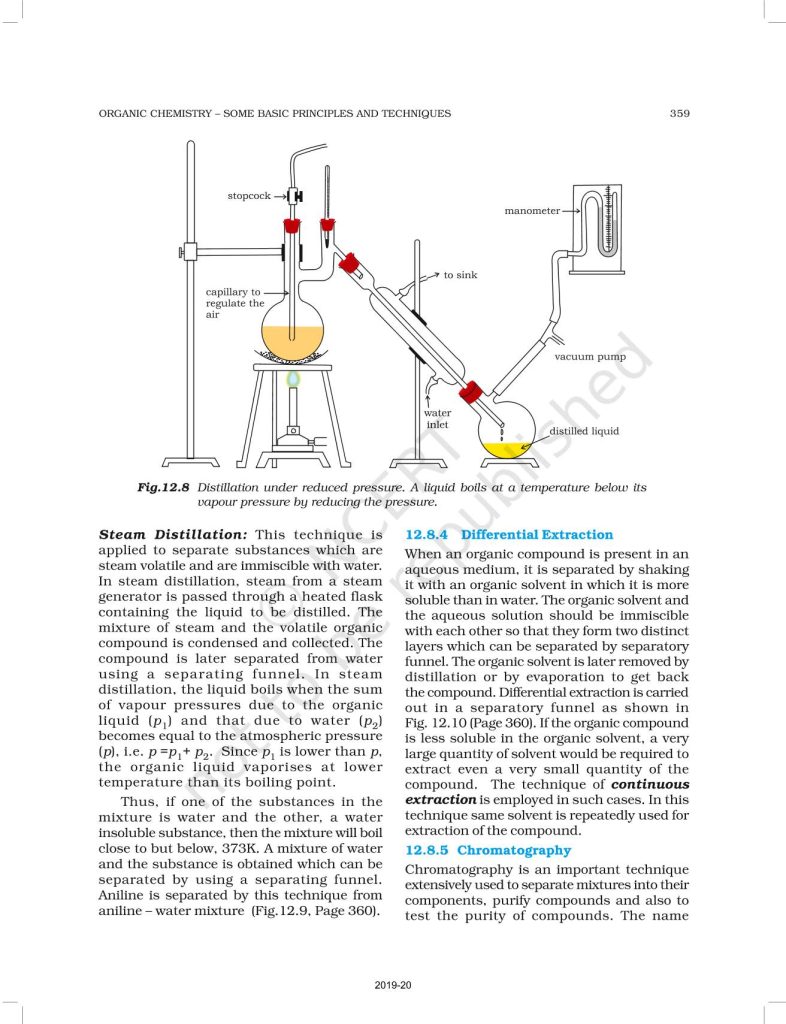
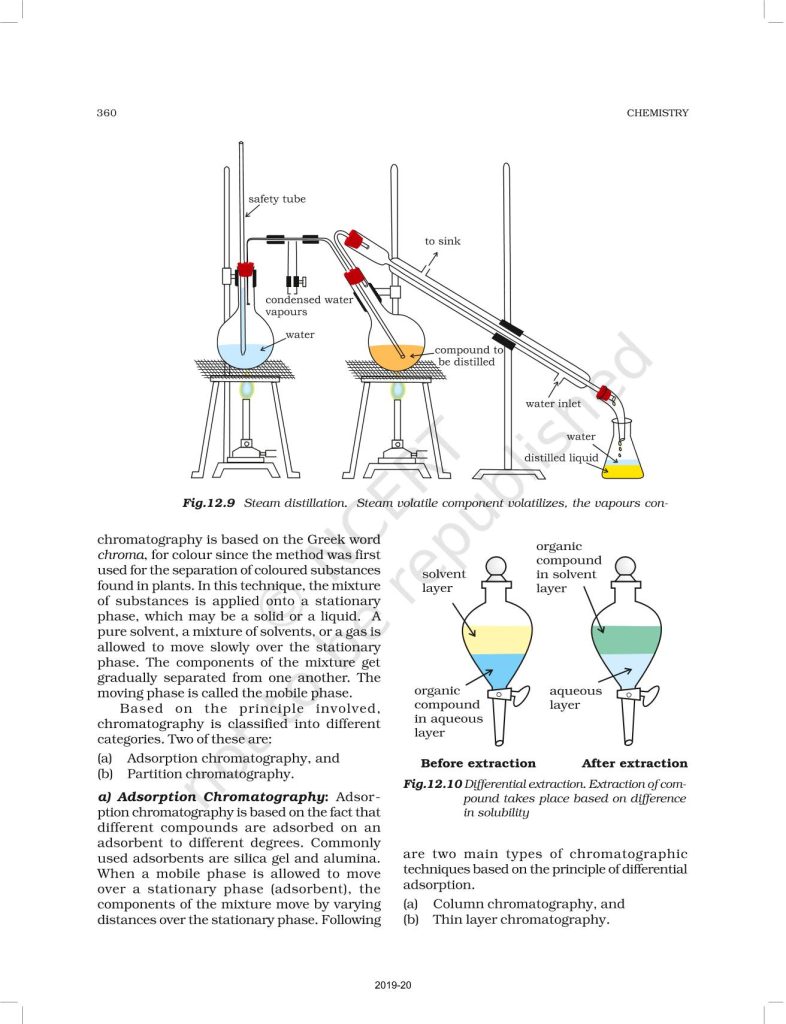
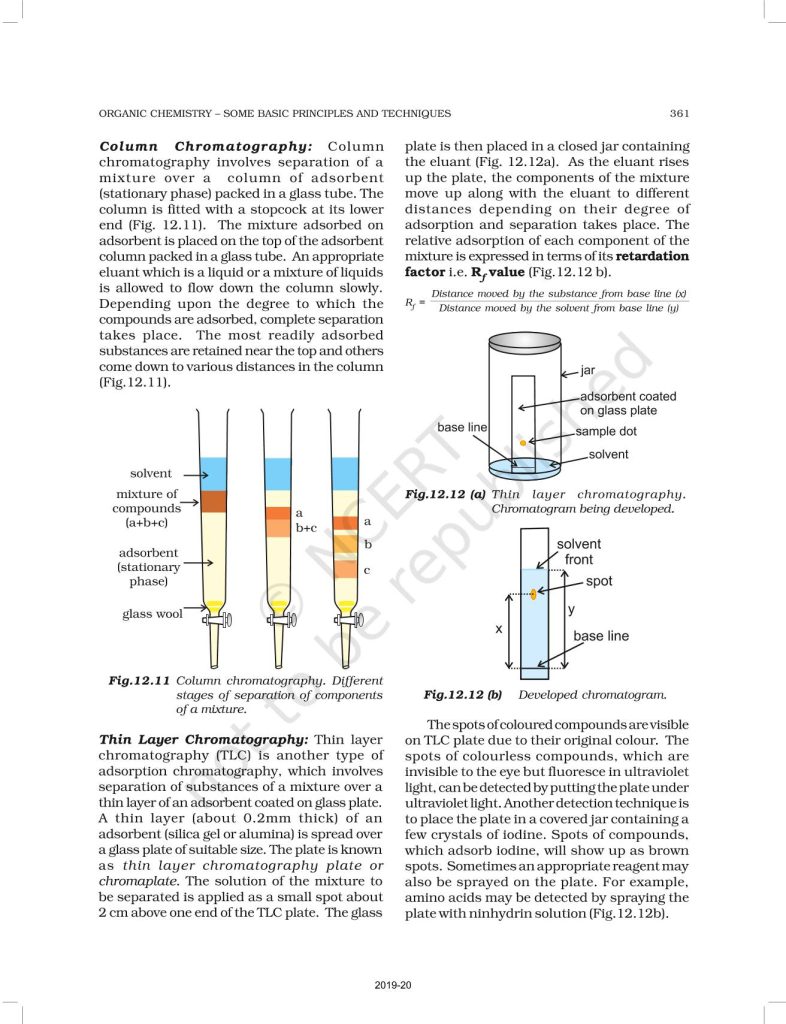
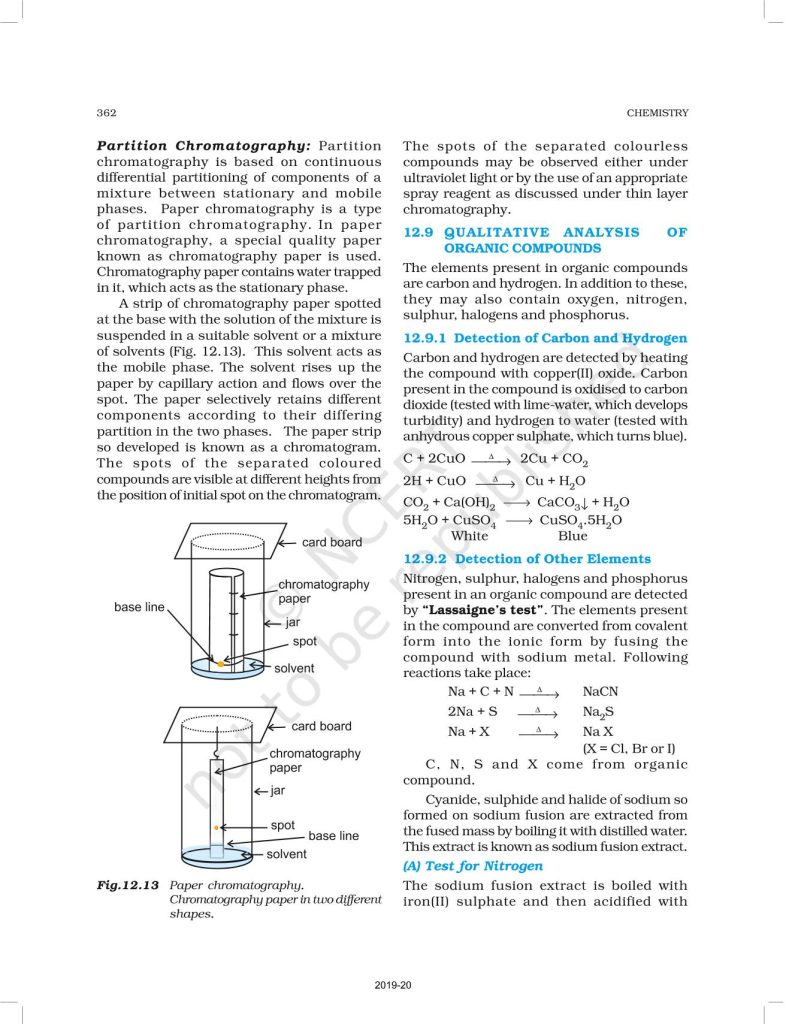
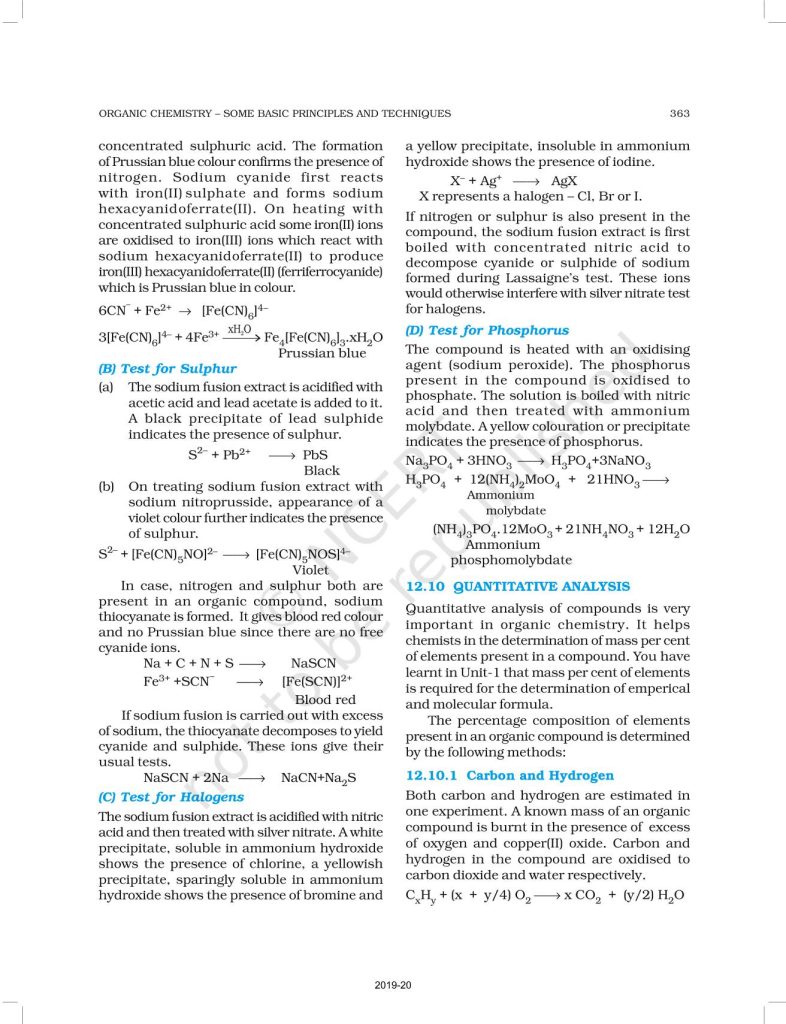
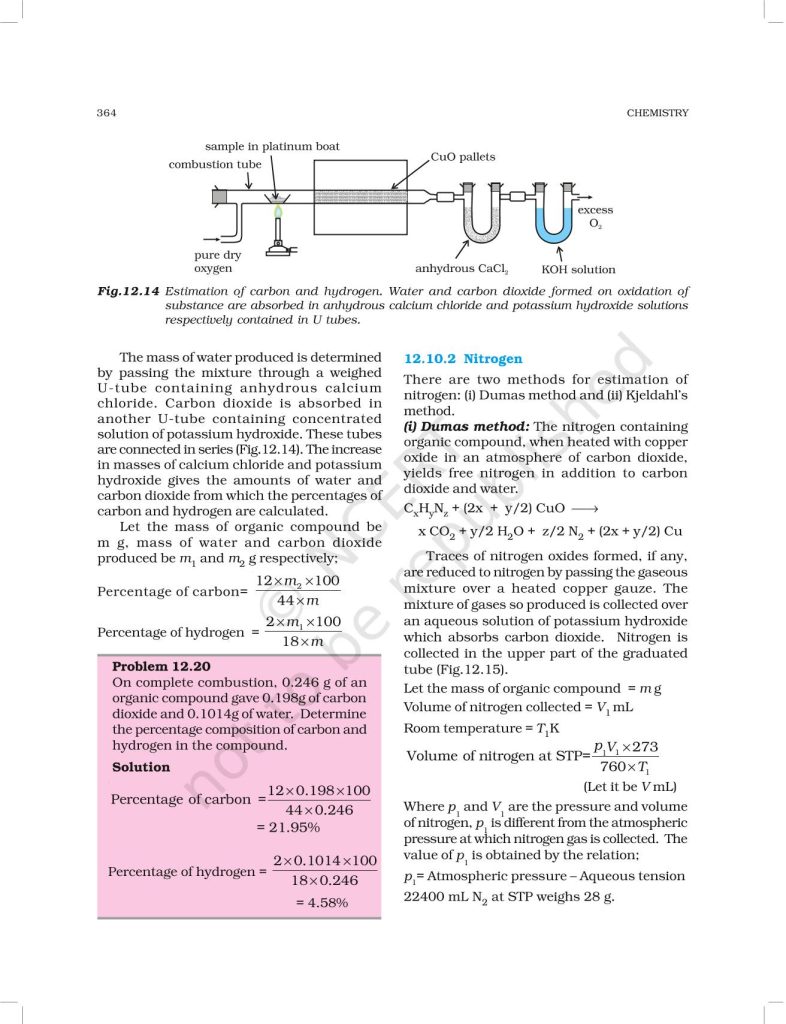
Students learn about different types of organic reactions like substitution, addition, elimination, and rearrangement. The chapter also introduces basic laboratory techniques used in organic chemistry, including purification methods like crystallization, distillation, and chromatography. This chapter forms the foundation for higher organic chemistry and is highly important for CBSE board exams, NEET, and JEE preparation.
Some Basic Principles of Organic Chemistry NCERT
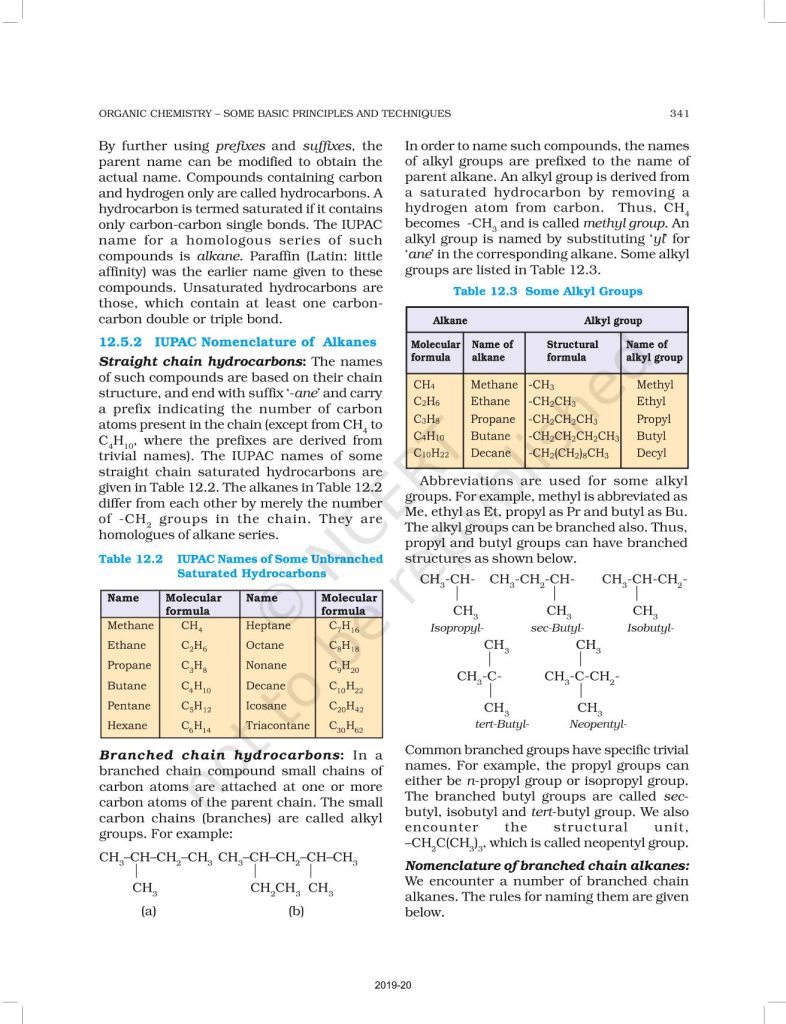
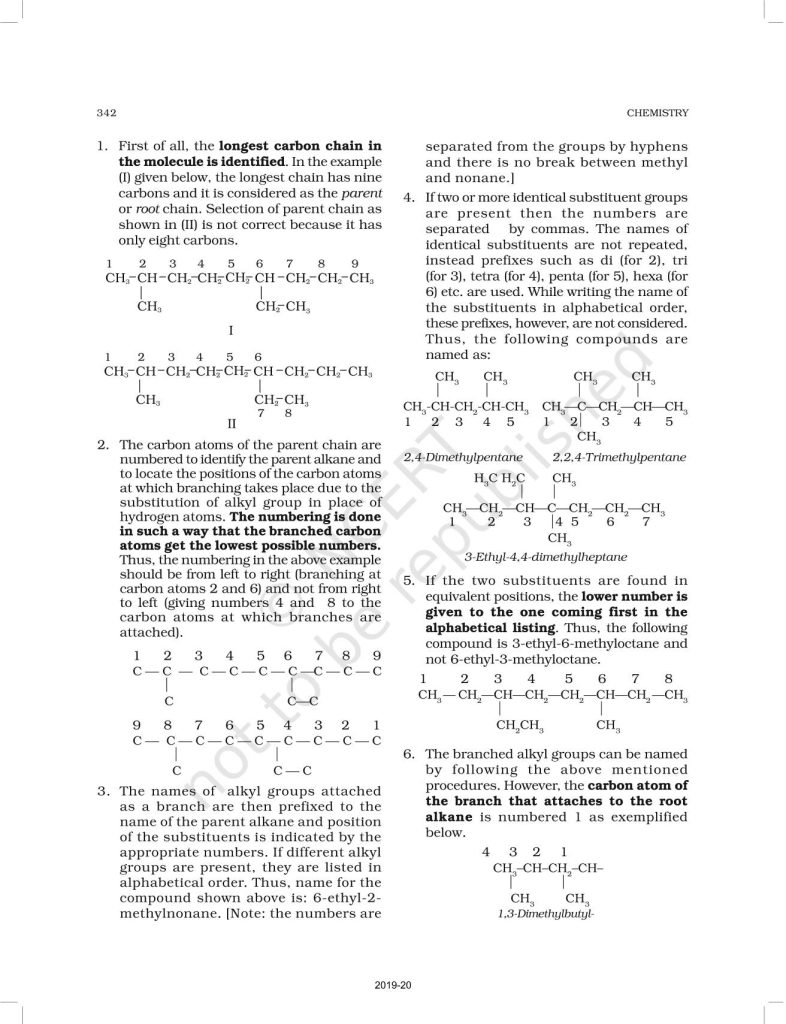
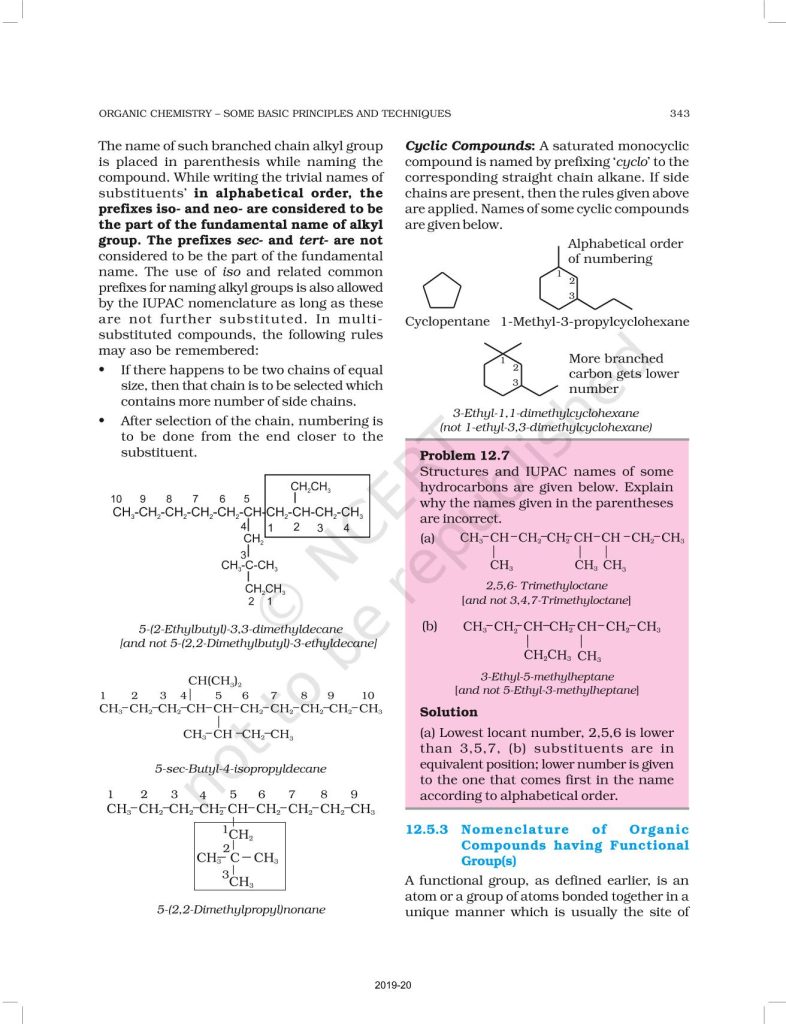
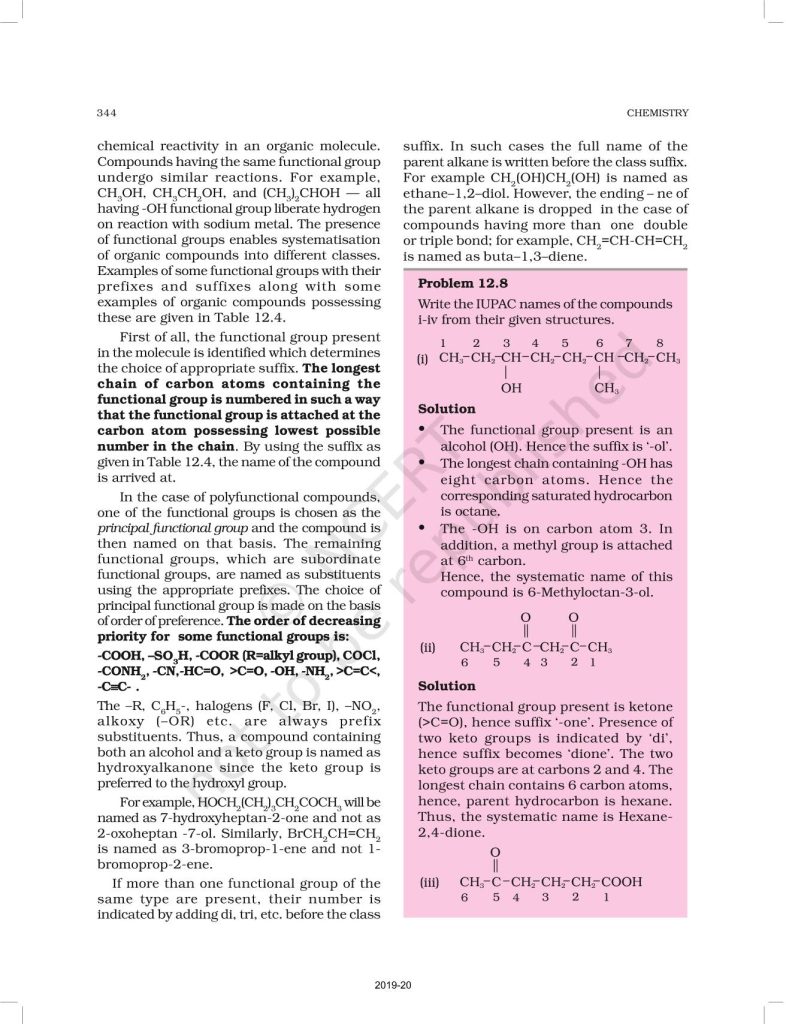
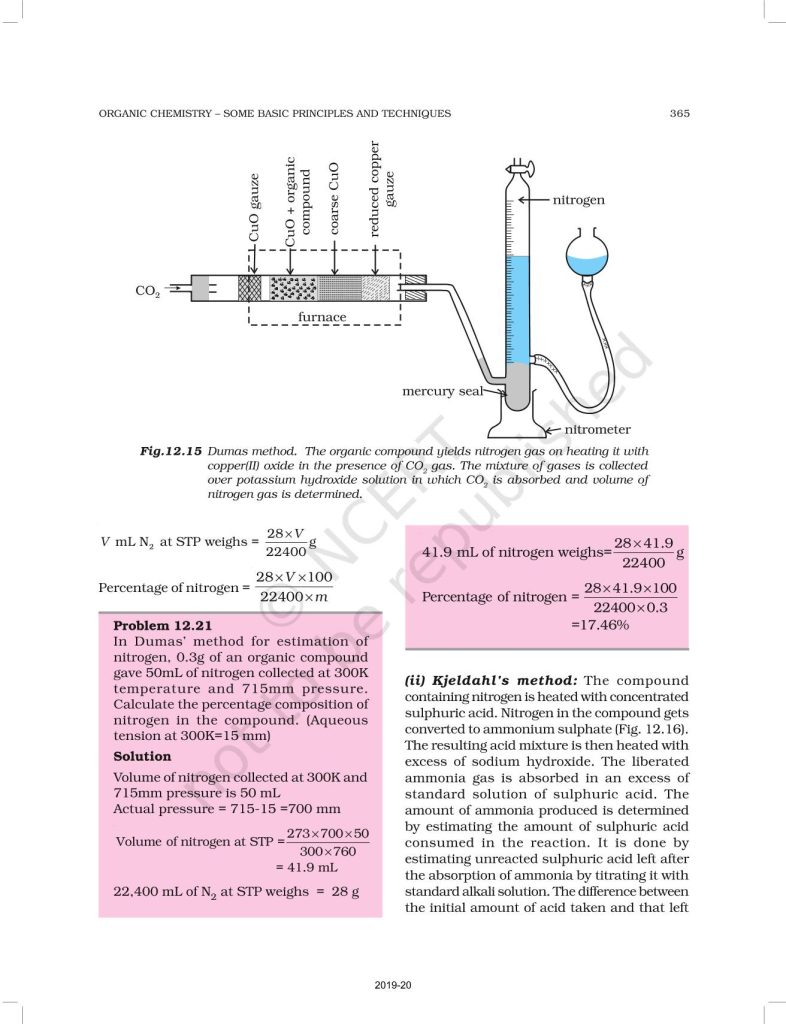
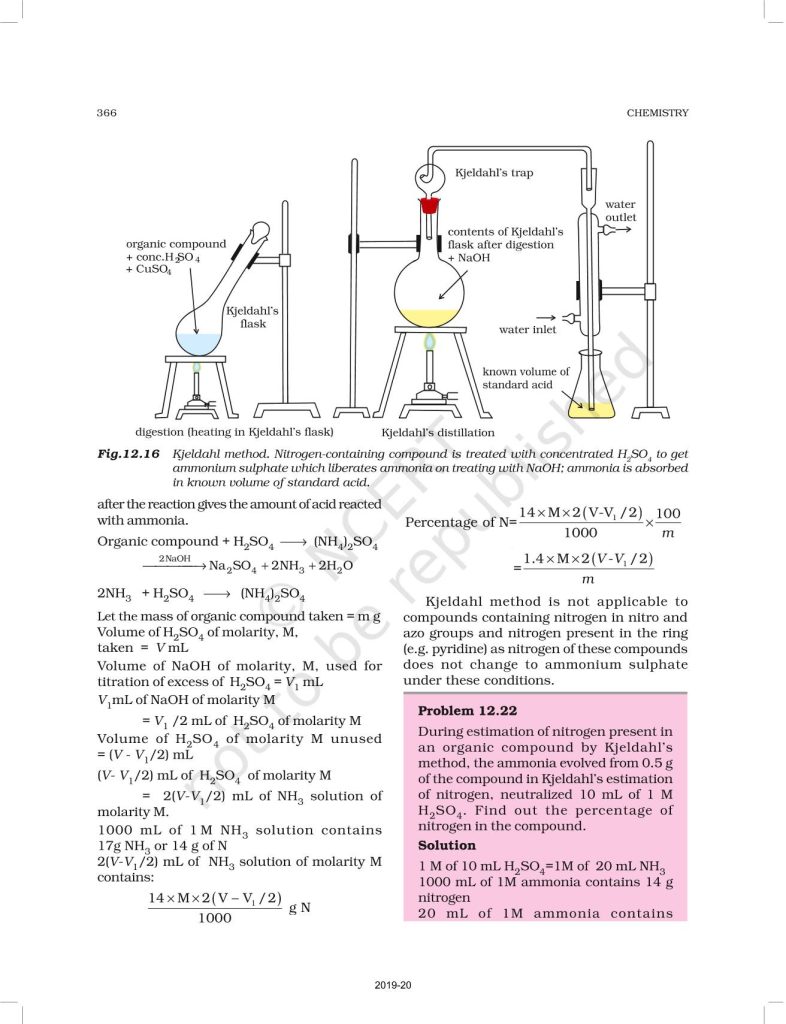
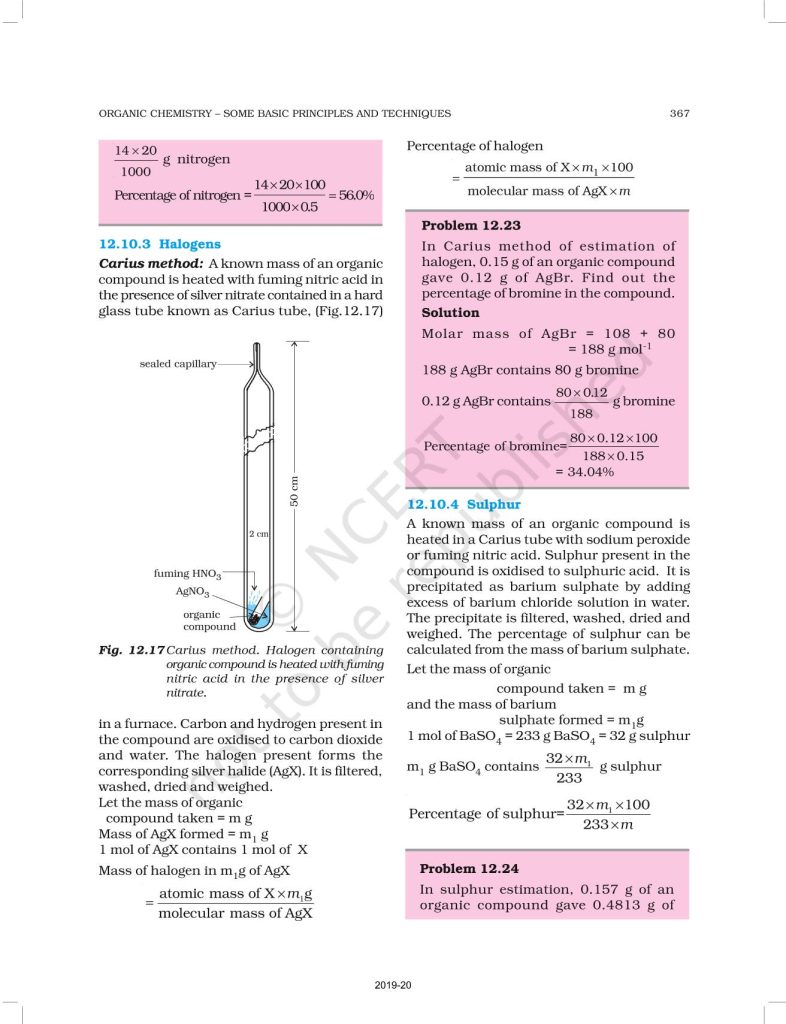
Chapter : 5 – Hydrocarbons
Student doubts & questions
Stuck on this chapter? Ask below and get help from tutors and fellow students.